Trump Declares Iran’s Enriched Uranium Stocks to Be Destroyed in US or On-Site Under IAEA Oversight
Former President Trump announces that Iran’s enriched uranium will be eliminated either by shipment to the US or destruction under International Atomic Energy Agency supervision.
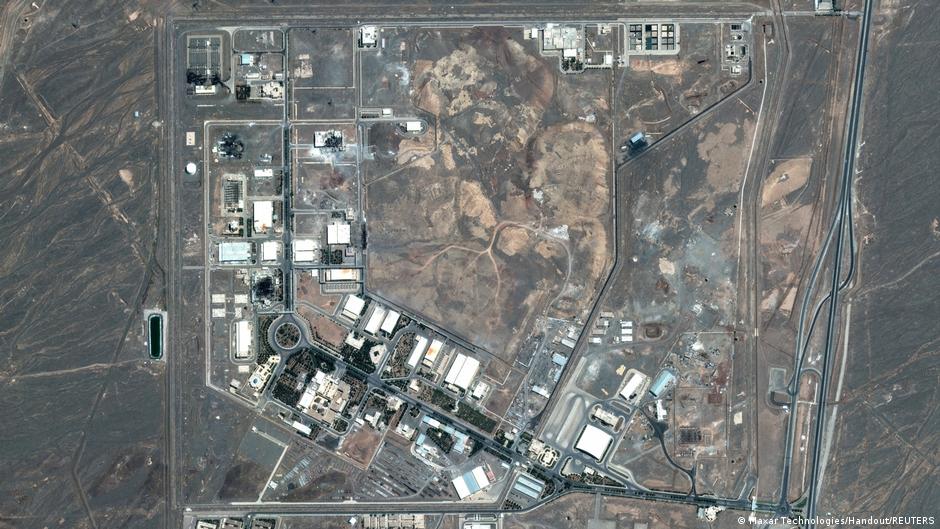
Former US President Donald Trump stated on his social platform that the enriched uranium reserves currently held by Iran would either be transferred to the United States for destruction or destroyed on-site under the supervision of the International Atomic Energy Agency (IAEA). This announcement, made on May 25, highlights ongoing tensions surrounding Iran's nuclear program and the broader geopolitical stakes involved.
Contextualizing the US Approach to Iran’s Nuclear Program
Trump depicted the destruction of Iran’s enriched uranium stocks as a necessary measure to mitigate what he refers to as a "nuclear threat." He prefers on-site destruction of these reserves within Iran or at a suitable location coordinated with Iranian authorities and monitored by the IAEA, rather than transporting the material to the United States. This approach aims to minimize risks associated with uranium transport and to ensure compliance with international oversight mechanisms.
"The enriched uranium stocks will either be immediately transferred to the US for destruction or eliminated there where they currently reside, or at another appropriate site coordinated with Iran under IAEA supervision," Trump wrote.
The Trump administration’s framing of Iran’s enriched uranium as "nuclear dust" is an echo of earlier US military actions targeting Iran’s nuclear infrastructure, underscoring an ongoing strategic posture that combines diplomacy with the implicit threat of military force.
Since late February, the US alongside Israel has engaged in covert and overt operations against Iran, citing the perceived proliferation risks posed by Tehran’s nuclear activities. Current estimates suggest Iran possesses over 440 kilograms of uranium enriched to approximately 60%, a level significantly higher than required for civilian nuclear energy purposes.
From an economic and security perspective, uranium enriched to 60% can theoretically be further refined to 90%, a weapons-grade level suitable for nuclear arms. This potential accelerates international concerns over nuclear proliferation and regional stability in the Middle East.
Despite these concerns, Iranian officials have consistently denied any intention to develop nuclear weapons, insisting their nuclear program remains peaceful. However, Tehran has warned that it may escalate uranium enrichment if faced with further attacks or sanctions, signaling a precarious balance that carries significant structural economic and geopolitical risks.
As of this announcement, no official confirmation has emerged from Tehran regarding any concrete agreements to transfer enriched uranium stockpiles to the US or any third party. The lack of transparency and ongoing rhetoric contribute to persistent uncertainty in global nuclear diplomacy and markets sensitive to geopolitical tensions.
Economic and Structural Implications
The situation surrounding Iran’s uranium reserves has ramifications beyond immediate security concerns. The potential destruction or transfer of nuclear material under international supervision involves complex logistical, diplomatic, and economic considerations. For Iran, the nuclear program is intertwined with national pride, scientific development, and aspirations for energy independence.
International sanctions targeting Iran’s nuclear ambitions have historically impacted its economy by limiting foreign investment, restricting access to global capital markets, and reducing oil export revenues. Efforts to dismantle enriched uranium stockpiles could signal a shift in economic conditions contingent on compliance and diplomatic progress.
Moreover, the role of the IAEA as an oversight body is crucial for maintaining transparency and trust. Effective monitoring and verification mechanisms could open pathways for gradual lifting of sanctions, enabling economic re-engagement and structural adjustments in Iran’s energy sector.
Conversely, failure to reach lasting agreements threatens continued instability in oil markets and regional trade, with global economic repercussions. Investors and policymakers watch closely as negotiations and enforcement evolve, weighing risks against opportunities in a complex geopolitical environment shaped by decades of conflict and diplomacy.