Trump Expects New Iran Talks as Strait of Hormuz Standoff Deepens
Washington and Tehran are weighing renewed negotiations as the economic costs of disruption in the Strait of Hormuz shape the bargaining table.
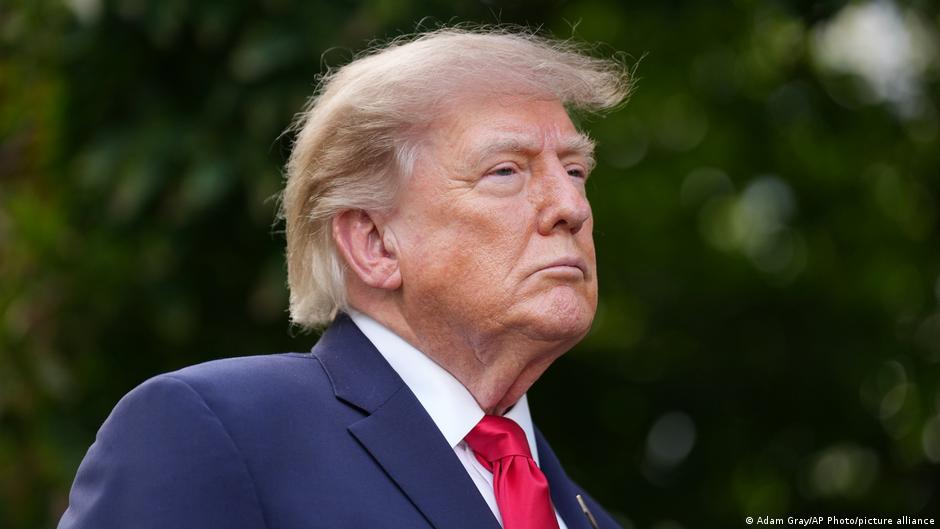
U.S. President Donald Trump expects negotiations with Iran to resume in the coming days, after rejecting a seven-day Iranian proposal to reopen the Strait of Hormuz and begin a longer process toward settling the conflict. The prospective talks, reported after Trump’s Sunday, September 27, telephone interview with Axios, place one of the world economy’s most sensitive maritime chokepoints at the center of a broader strategic dispute over sanctions, shipping access and Iran’s nuclear program.
Trump said he anticipated a new round of talks with Iran in the coming week. His remarks suggested that Washington sees Tehran’s latest offer less as a basis for a limited de-escalation than as evidence that economic and military pressure is beginning to affect Iran’s negotiating position.
“They want to make a deal, but it is not the deal I want to make,” Trump said, according to the source article. “Maybe we would have agreed to this a year ago. They overplayed their hand.”
Asked whether he was considering renewed strikes on Iran, Trump said he was “always thinking about it.” That statement keeps military pressure visibly on the table while leaving room for diplomacy through regional intermediaries.
Hormuz as an Economic Lever
The Strait of Hormuz is not merely a geographic flashpoint. It is a structural node in the global energy economy, and restrictions on traffic through it reverberate through oil markets, shipping insurance, freight costs and expectations for inflation. For Tehran, reopening the strait under negotiated conditions would offer an immediate path to reduce losses and regain leverage over maritime commerce. For Washington, accepting a narrow arrangement focused only on shipping access could leave the larger strategic dispute unresolved.
According to Axios, two regional sources speaking anonymously also confirmed expectations of renewed talks. They expect Qatari mediators, who previously participated in meetings between representatives of Washington and Tehran, to hold meetings on September 28 with Iranian Foreign Minister Abbas Araghchi and U.S. presidential envoy Stephen Witkoff.
The mediation track underscores the role of Gulf states as economic and diplomatic shock absorbers in crises involving Iran. Qatar’s involvement reflects a broader pattern in which regional intermediaries try to prevent security confrontations from hardening into prolonged economic blockages. The stakes are especially high when maritime access, sanctions enforcement and military signaling become intertwined.
The two sides, however, appear to define the potential agreement in sharply different ways. Tehran wants any negotiations to focus on the full opening of the Strait of Hormuz and the lifting of the U.S. maritime blockade. Washington is pressing for a wider deal that would include concessions on Iran’s nuclear program.
That mismatch is central to the economics of the dispute. A narrow shipping agreement could produce rapid market relief by restoring vessel movement and easing immediate pressure on Iranian ports and exports. A broader agreement, by contrast, would seek to trade short-term de-escalation for structural limits on Iran’s strategic capabilities. The first approach treats Hormuz as the problem to be solved; the second treats Hormuz as leverage within a larger settlement.
A Seven-Day Proposal Rejected
Several days before Trump’s comments, Araghchi said Tehran had proposed restoring vessel traffic through the Strait of Hormuz within a week, subject to certain conditions, and resuming negotiations on a long-term resolution of the conflict. Media reports listed those conditions as an end to fighting on all fronts, including Lebanon; the lifting of the blockade on Iranian ports; the unfreezing of Tehran’s assets; and the removal of restrictions on Iranian oil exports.
On September 26, Trump said he had rejected Iran’s proposal. He argued that Tehran wanted an immediate reopening of the strait because it was suffering severe losses. He said making deals was acceptable in principle, but described the proposed arrangement as unacceptable.
The economic logic behind Iran’s proposal is clear from the reported conditions. Access to oil exports, port operations and frozen assets are core components of state revenue and liquidity. Restrictions in those areas can pressure the Iranian economy directly, limiting hard-currency inflows and narrowing the government’s fiscal room. In historical terms, the approach resembles other sanctions-and-blockade strategies in which financial isolation and transport restrictions are used to shift the bargaining incentives of a state under pressure.
For the United States, the question is whether immediate relief on shipping and exports would reduce leverage before Iran commits to broader concessions. That calculation has long shaped U.S.-Iran negotiations, from sanctions relief debates to disputes over sequencing: whether economic measures should be eased first to build trust, or retained until verifiable concessions are secured.
The Wall Street Journal previously reported, citing unnamed interlocutors, that Trump had decided to reject Iran’s proposal. According to the newspaper, he also told aides that he intended to resume bombing Iran after the congressional midterm elections in November. The Journal’s sources said Trump regarded a new military operation as “highly likely” because he was skeptical Tehran would meet his demand for a complete abandonment of its nuclear program.
That reported timetable adds a political calendar to an already fragile economic equation. Markets, governments and shippers must evaluate not only the formal negotiation track but also the possibility that diplomacy is operating under a deadline set by domestic U.S. politics. If talks fail to narrow the gap between Tehran’s focus on maritime and sanctions relief and Washington’s demand for nuclear concessions, the economic consequences could extend beyond Iran and the Gulf. Energy pricing, maritime insurance, regional investment risk and inflation expectations would all absorb the shock of renewed escalation.
For now, the expected meetings suggest neither side has closed the door on diplomacy. But the gap between a transactional reopening of Hormuz and a comprehensive agreement over Iran’s nuclear program remains wide. The next round will test whether economic pain can produce a compromise, or whether it merely hardens the incentives for both sides to wait for a more favorable balance of pressure.