Turkey Resumes Passage of Ships Through Straits Amid Black Sea Tensions
Turkey has reopened its straits to commercial shipping bound for the Black Sea after a temporary restriction linked to regional security concerns.
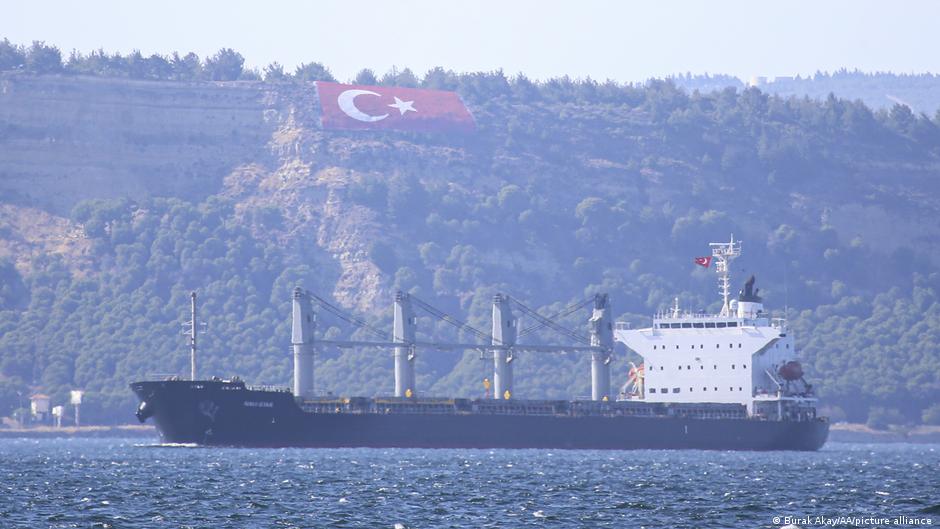
On August 9, the oil tanker Aegean Dream and the container ship Mehmet Kahveci A passed through the Dardanelles Strait en route to Novorossiysk, marking the resumption of Turkish straits transit for commercial vessels bound for the Black Sea. This development follows a temporary suspension of such passages amid heightened security concerns stemming from regional maritime conflicts.
Strategic Importance of Turkish Straits and Security Challenges
The Turkish straits—the Bosporus and the Dardanelles—serve as critical maritime gateways connecting the Mediterranean to the Black Sea, vital for international trade and energy supplies. On August 8, Turkish authorities had limited the movement of commercial ships to and from Black Sea ports, including Novorossiysk and Ukrainian destinations, citing escalating attacks on vessels in the region.
"We have a range of measures on this issue presented to our president, and we are beginning their implementation," stated Turkish Foreign Minister Hakan Fidan regarding efforts to mitigate maritime security risks.
These restrictions were reportedly implemented without prior public explanation, and the Turkish Ministry of Transport did not provide comment upon inquiry. Monitoring systems showed that the Aegean Dream had been waiting near the Dardanelles since August 6 before clearance was granted, highlighting the operational disruptions caused by the temporary halt.
Turkey’s decision reflects growing concerns over the safety of commercial shipping amidst ongoing hostilities between Russia and Ukraine in the Black Sea. In early August, two Turkish-owned vessels were targeted by drone attacks, causing injuries to crew members, including Turkish nationals, underscoring the risks commercial operators face in the area.
Geopolitical and Economic Implications
The Black Sea corridor is a crucial export route for Ukrainian agricultural products and Russian energy shipments. Disruptions in this corridor have significant ramifications for global food security and energy markets. Ukraine has reportedly agreed to facilitate safe passage for certain non-Russian oil tankers, a move aimed at de-escalating maritime tensions and ensuring continuity of trade flows.
Since early July, Ukraine’s drone forces have executed Operation "MoLoChKa," targeting Russian tankers in the Black Sea, reportedly damaging 75 vessels by late July. Conversely, Russia has intensified strikes on Ukrainian ports and civilian ships, further hampering Ukraine’s agrarian exports.
The near halt of the maritime corridor has forced reliance on alternative, less efficient transportation routes, creating logistical bottlenecks and exacerbating global supply chain vulnerabilities.
Turkey has called on both Russia and Ukraine to declare a moratorium on attacks in the Black Sea, emphasizing the multifaceted negative consequences of continued escalation, including threats to food security worldwide.
Historical Parallels and Structural Outlook
Turkey’s control over the straits, governed by the Montreux Convention of 1936, has historically placed Ankara in a pivotal position to influence Black Sea maritime dynamics. The recent temporary closure echoes past instances where Turkey exercised this leverage amid regional conflicts, balancing security concerns with economic and diplomatic interests.
Looking ahead, the interplay between security imperatives and economic necessities will continue to shape Turkey’s policy. The delicate balance between maintaining open trade routes and safeguarding national and regional security underscores the structural vulnerabilities of Black Sea commerce in times of conflict.
In sum, Turkey’s resumption of straits transit marks a cautious step towards stabilizing maritime trade in a highly volatile region, but the underlying geopolitical tensions and their economic repercussions remain significant challenges for the global economy.