UK Seeks to Join EU's €90 Billion Credit Program to Support Ukraine Amid Geopolitical Tensions
Britain plans to negotiate joining the EU credit facility for Ukraine, enhancing financial and defense cooperation against Russian aggression.
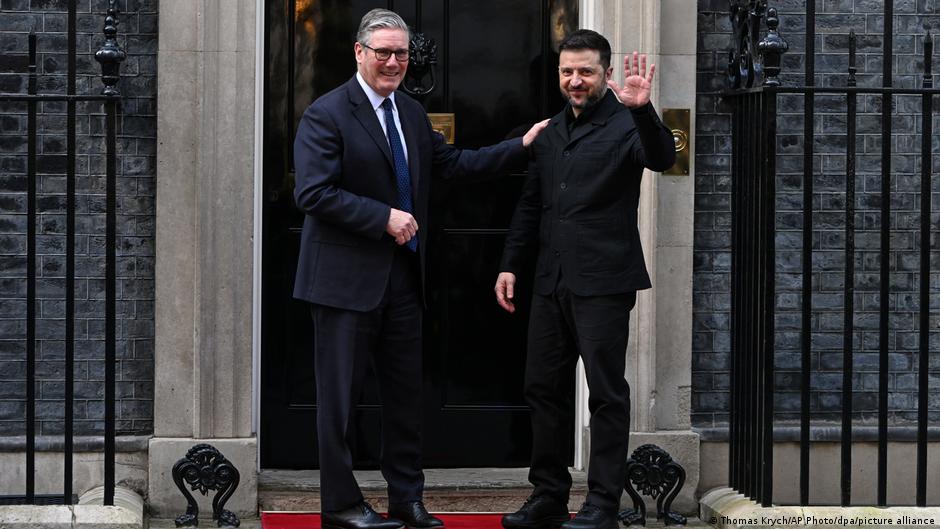
On May 4, at the European Political Community summit in Yerevan, the United Kingdom is expected to formally announce its intention to join the European Union's €90 billion credit program aimed at supporting Ukraine. This initiative underscores London's strategic pivot towards deeper financial and defense collaboration with the EU in response to ongoing geopolitical instability caused by the conflict in Ukraine.
Expanding Financial and Defense Support for Ukraine
Originally approved in April after Hungary lifted its veto, the EU's credit program for Ukraine spans 2026-2027 and represents one of the largest coordinated financial support mechanisms for Kyiv since the outbreak of war in 2022. The UK's planned participation will significantly broaden the scope of assistance, ensuring Ukraine's access to vital military equipment and strengthening its defensive capabilities.
"In turbulent times, we need to move forward faster on defense to ensure people's security," stated UK Prime Minister Keir Starmer, emphasizing the mutual benefits of cooperation between London and Brussels.
Beyond bolstering Ukraine's defense, this cooperation opens avenues for the British defense industry. UK companies stand to gain access to contracts supplying military goods to Ukraine, potentially revitalizing sectors impacted by post-Brexit trade realignments and reinforcing the UK's role as a key defense supplier in European security architecture.
Strategic and Economic Dimensions of UK-EU Collaboration
The decision to align with the EU's financial support program reflects a nuanced recalibration of the UK's post-Brexit foreign economic policy. Historically, UK-EU relations have been marked by competition and divergence, especially in trade and regulatory matters. However, the shared strategic imperative posed by Russian aggression in Ukraine has catalyzed cooperation transcending previous political frictions.
From an economic perspective, the UK’s engagement in the program may serve as a structural precedent for future collaboration on large-scale international financial mechanisms. It also signals London's recognition of the EU's centrality in regional security frameworks and the economic benefits of integrated defense supply chains.
Moreover, the UK's impending announcement of another sanctions package targeting Russian companies aims to disrupt military supply chains further, complementing the financial support to Ukraine and reinforcing the broader strategy of economic containment against Russia. These sanctions are expected to tighten pressure on Russian military-industrial capacities, with ripple effects on global markets for defense-related goods and services.
Historical Parallels and Long-Term Implications
The UK's move evokes parallels with Cold War-era Western alliances, where economic aid and military cooperation were intertwined to counterbalance adversarial powers. However, unlike the Cold War's bipolarity, today's multipolar economic environment requires more fluid and pragmatic forms of partnership. The UK's partnership with the EU, despite Brexit, suggests a pragmatic adaptation to evolving geopolitical realities.
In the long term, this development could herald a new phase of UK-EU relations characterized by selective strategic engagement, particularly in defense and security economics. It also underscores the increasing interdependence of European nations in addressing security challenges through financial instruments, with implications for the future architecture of European economic and defense cooperation.
As the international community watches closely, the UK’s participation in the EU credit program for Ukraine will be a critical test case of cross-jurisdictional cooperation in crisis response, offering valuable lessons for managing economic sanctions, defense supply integration, and the balancing of sovereignty with collective security commitments.