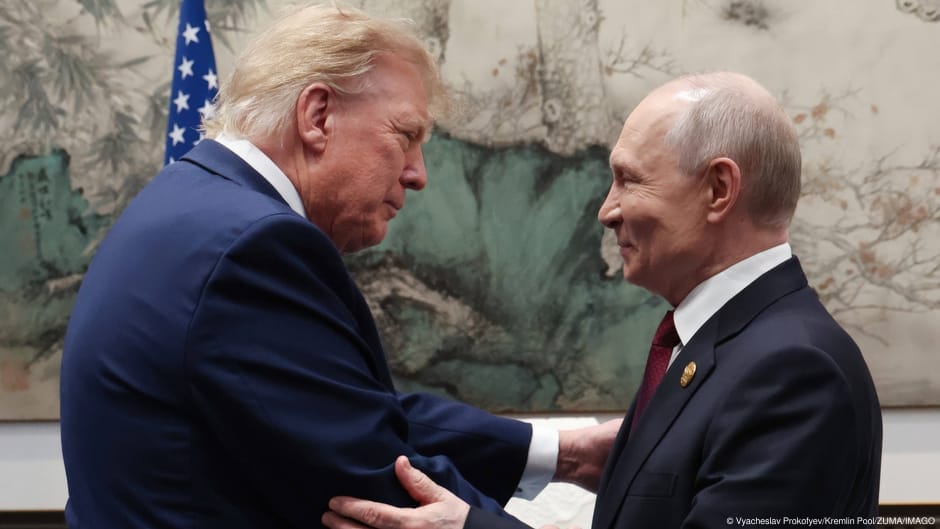
Trump’s Ukraine Deadline Collides With a Looming Shift in Congress
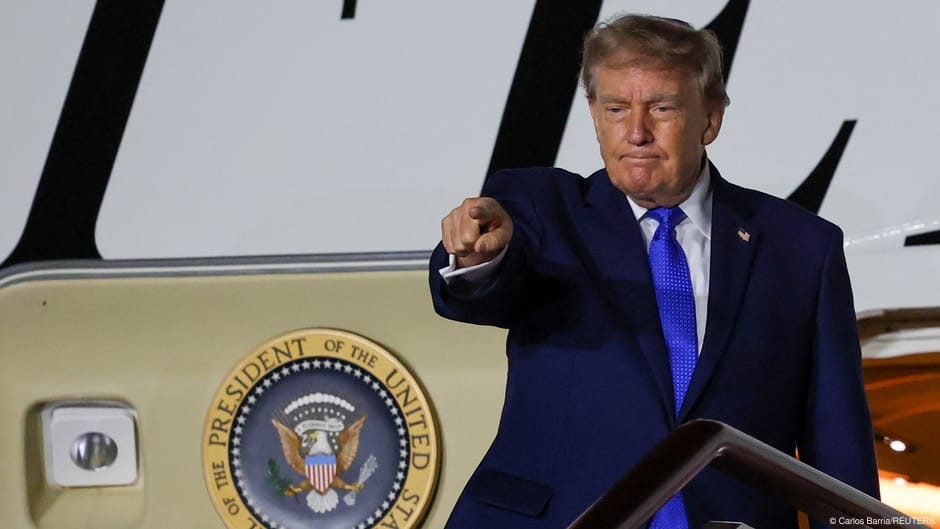
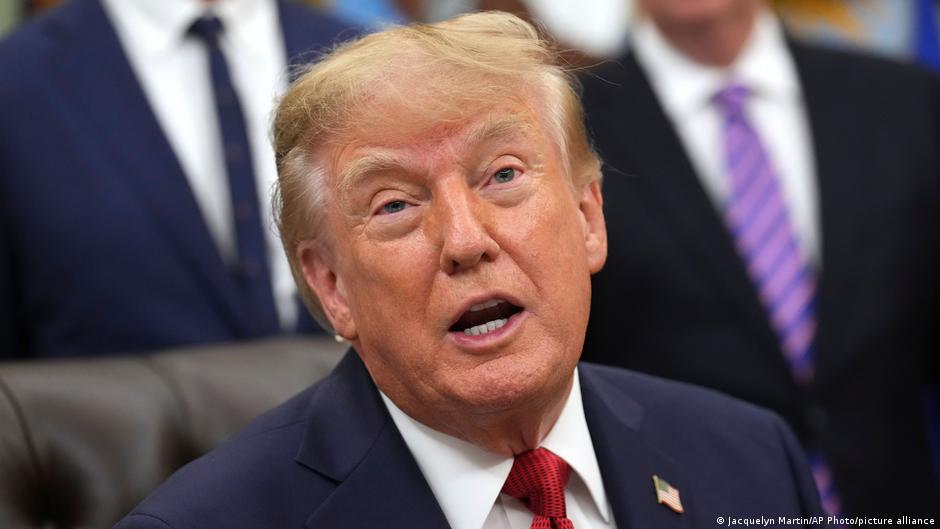
Trump is reportedly pressing for a Ukraine settlement before Democrats take Congress, creating an unequal timetable with lasting economic and security risks.

Trump is reportedly pressing for a Ukraine settlement before Democrats take Congress, creating an unequal timetable with lasting economic and security risks.

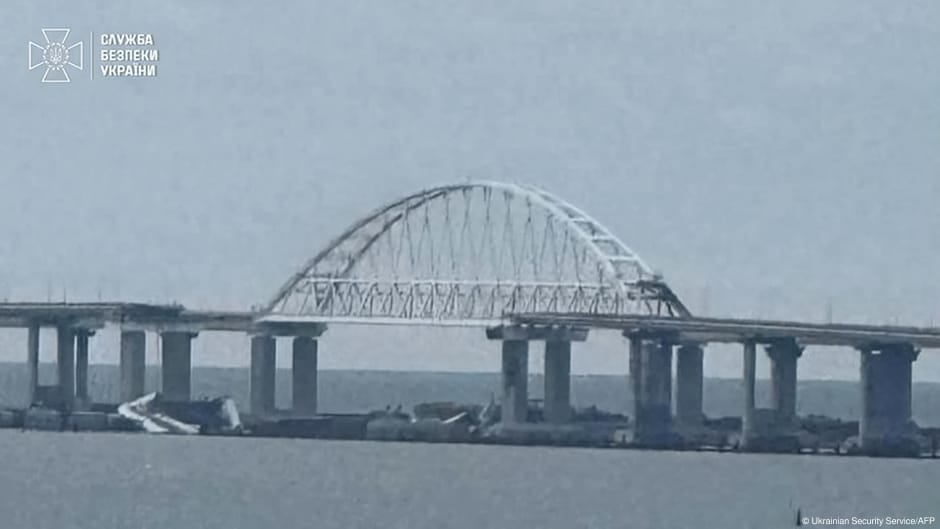
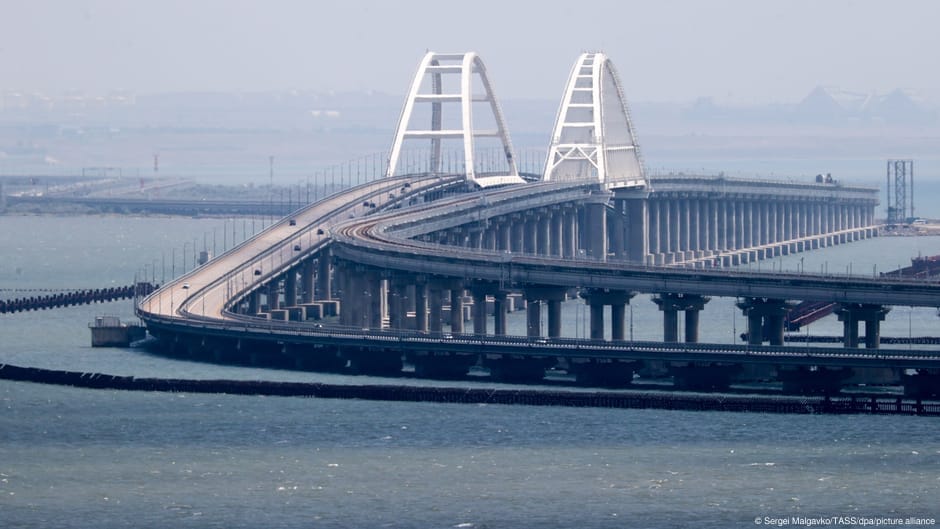
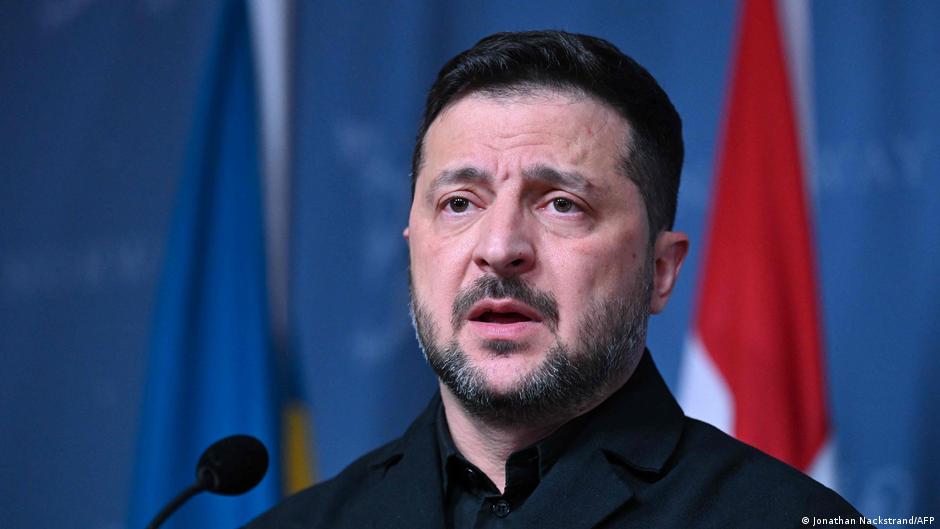
Zelensky says the Crimean Bridge will not survive, as repeated strikes disrupt a key Russian supply route and create an uncertain, potentially lengthy repair burden.

Trump endorsed Kyiv’s right to participate in decisions on the war, even as a US-China-Russia peace declaration omitted Ukraine.

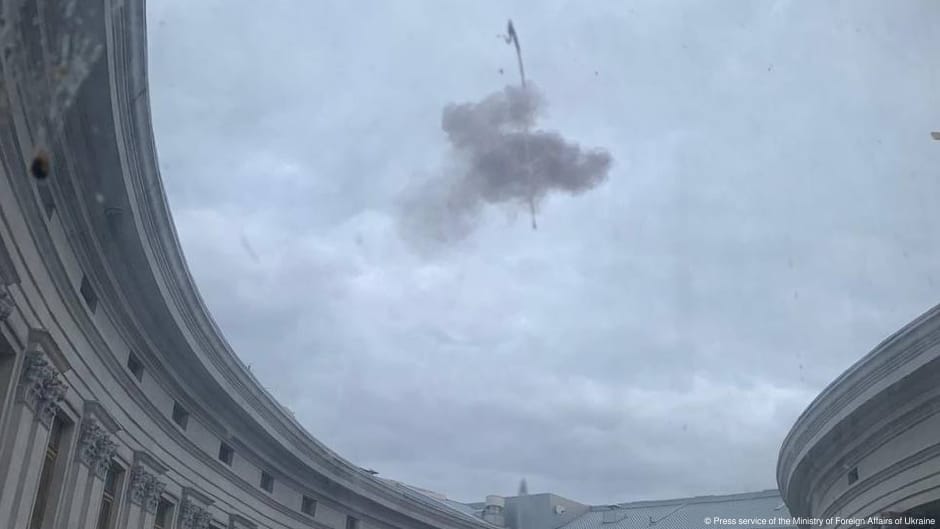
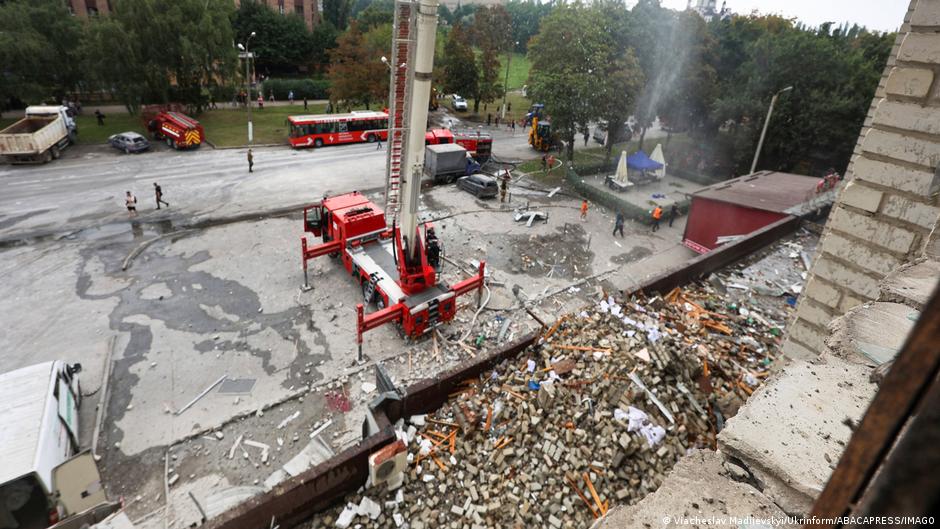
Damage to Kyiv’s bridges and infrastructure is disrupting transport and adding to the long-term economic cost of keeping the capital operational.

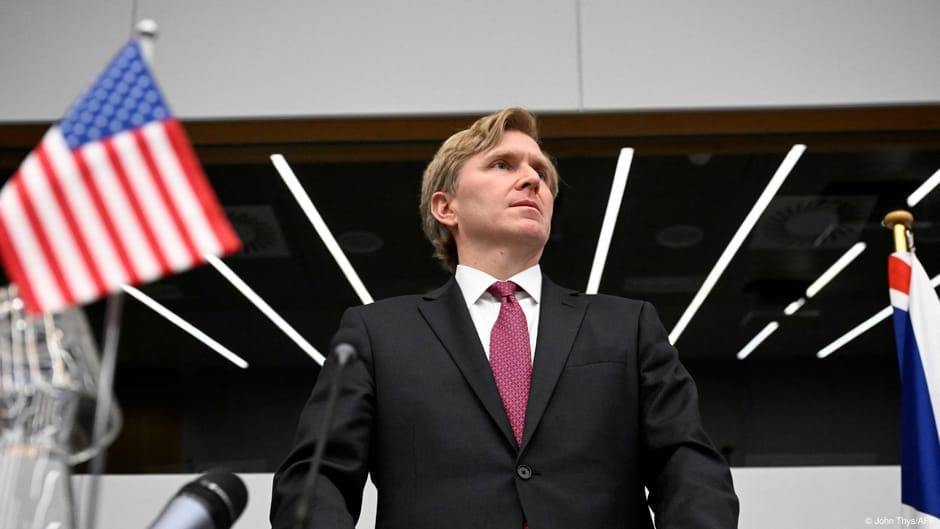
Elbridge Colby’s early exit from NATO talks exposed a growing US-European divide over Ukraine’s strikes inside Russia and the cost of sustaining the war.

Berlin talks will connect military aid and security guarantees for Ukraine with Europe’s long-term fiscal, industrial and geopolitical stability.

The EU has excluded Russia-based organizations and residents from Erasmus+, deepening the long-term divide in education, skills and research networks.

Nearly €400 million passed through DB Cargo Russija since 2022, raising questions about transit revenue, state infrastructure and EU sanctions.

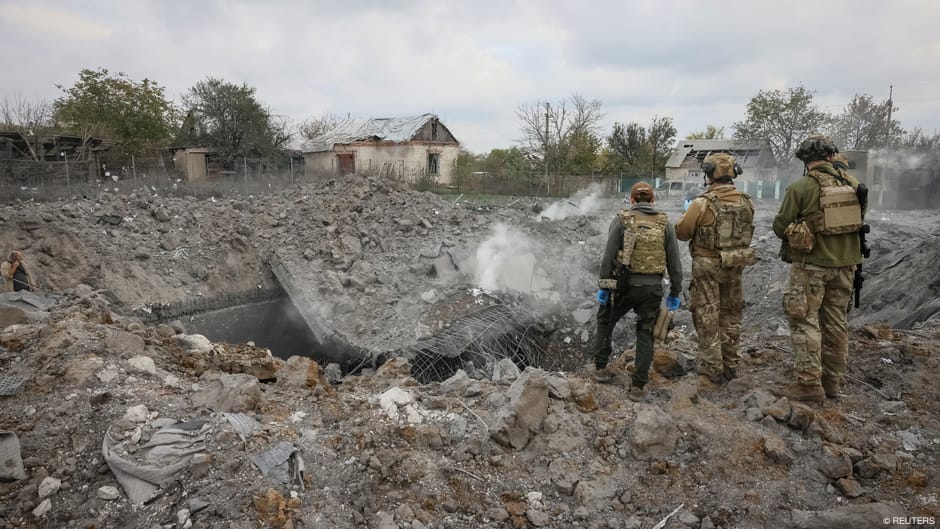
The confirmed death toll from the Kamyševakha aid-center strike reached 72, exposing the compounding economic costs of attacks on civilian infrastructure.

Strikes on bridges in Kyiv and the Kerch Strait deepen pressure on transport, utilities and wartime logistics while accelerating costly investment in alternative routes.

Most Germans view Russia as a threat, but an almost even split over Russian energy supplies exposes a persistent conflict between security and economic concerns.

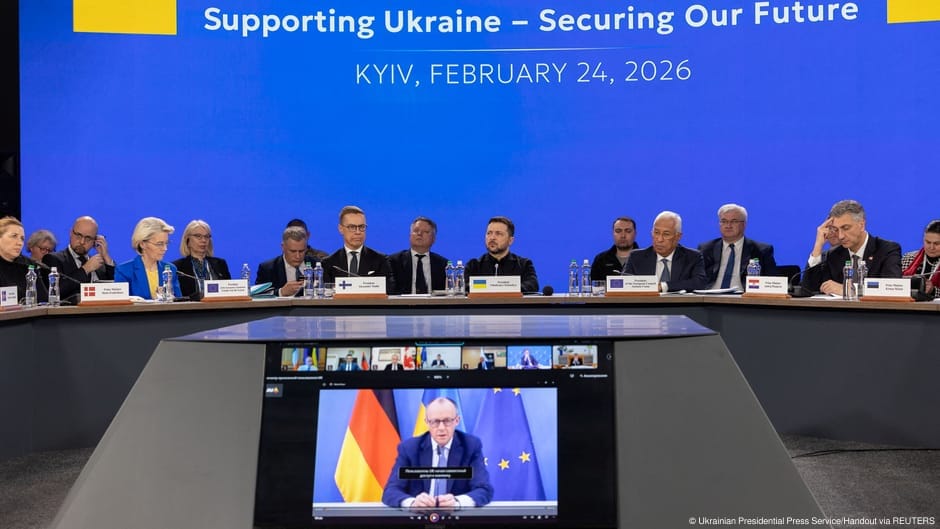
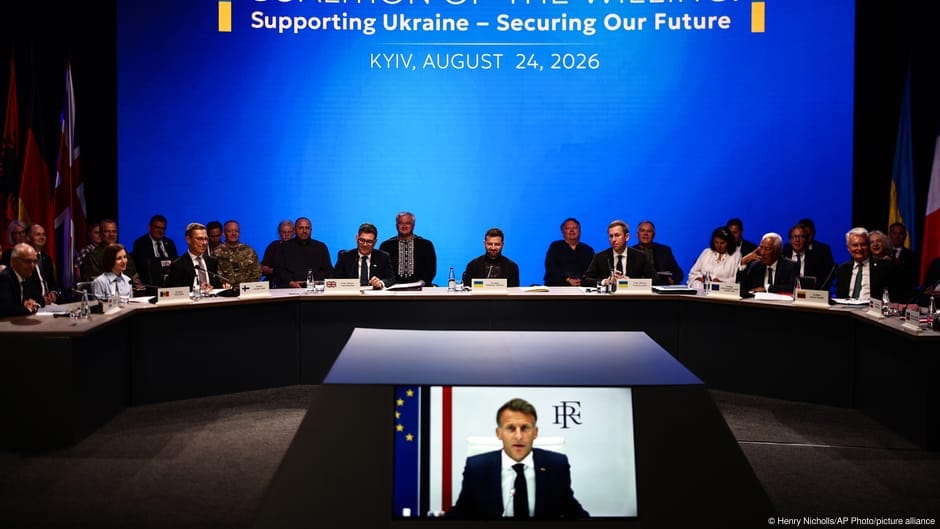
Kyiv wants a unified European negotiating position while reviewing allied coalitions and pressing for energy aid and air-defense missiles.

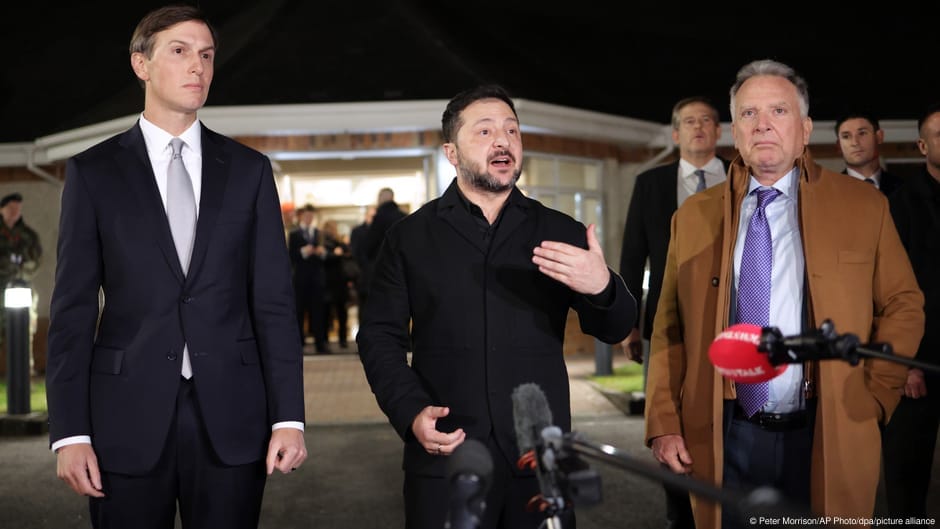
Washington is widening the Ukraine peace process to include Europe, linking any settlement to NATO, long-term security costs and economic credibility.

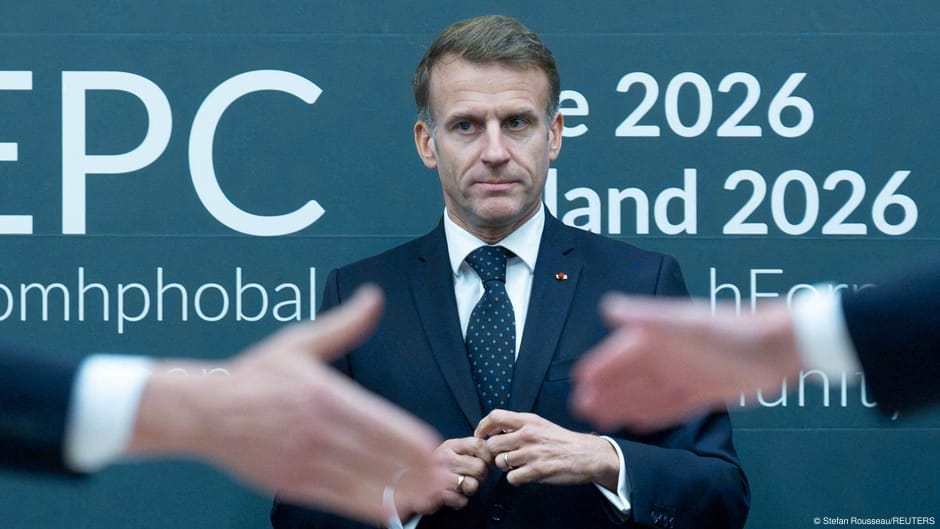
Macron says limiting aid to Ukraine risks greater long-term costs for Europe as Poland and Bulgaria cite deficits and defense pressures.

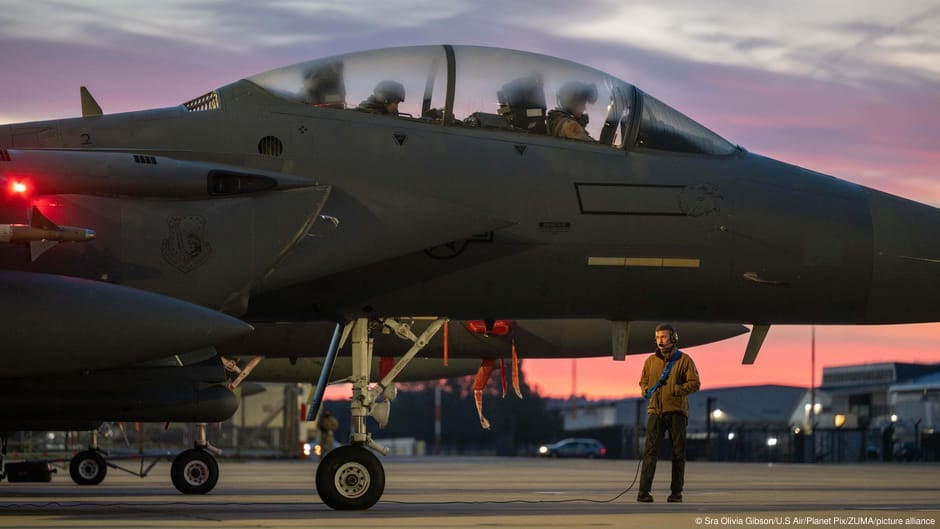
Suspected drone activity at RAF Lakenheath highlights the widening financial and operational burden of protecting strategic military infrastructure.

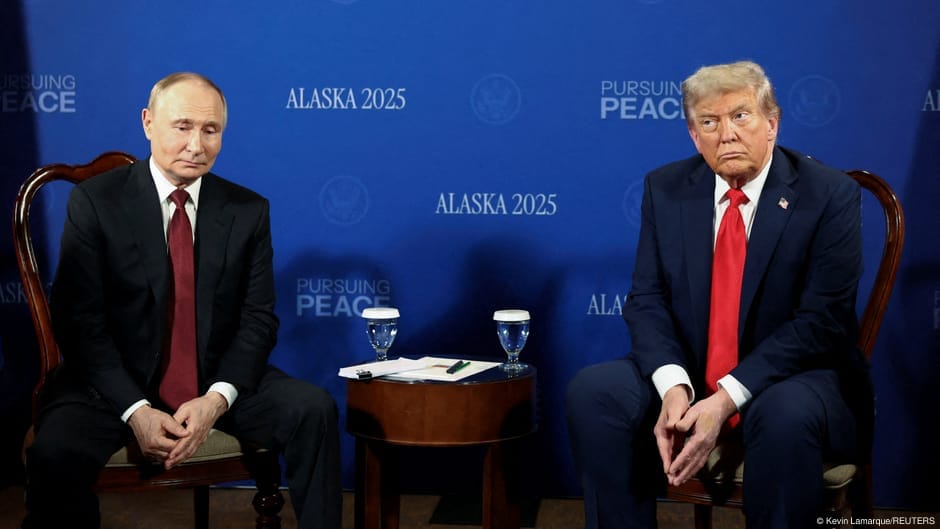
Trump, Putin and Xi are expected to open three-way nuclear arms talks at APEC, while Ukraine remains outside the planned Shenzhen agenda.

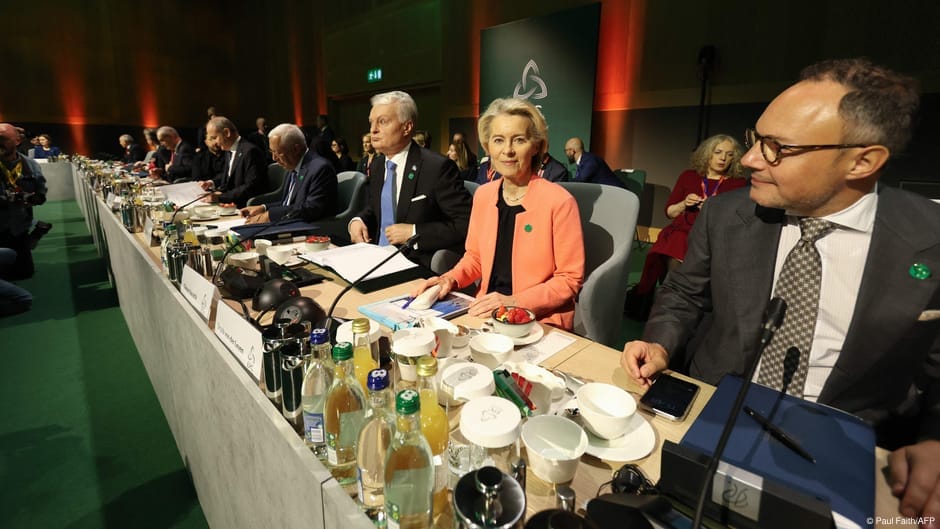
Nearly 40 European states have adopted a security charter that broadens cooperation and could reshape defense spending, fiscal priorities and transatlantic burden-sharing.

Moscow and Kyiv will include European partners in the next peace talks as mediators also prepare a potentially record prisoner exchange.

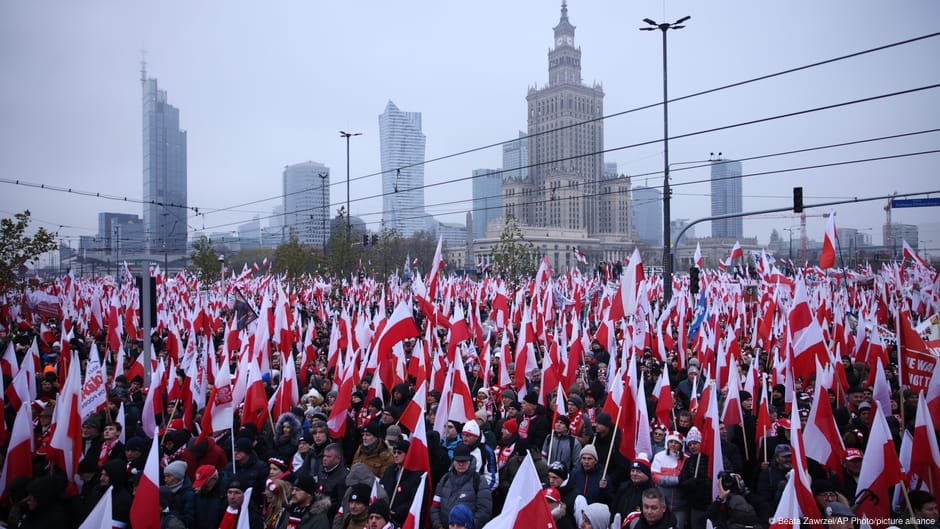
A 250,000-strong Warsaw march highlighted how nationalism and conflict over Poland’s Constitutional Tribunal could shape institutional and economic confidence.

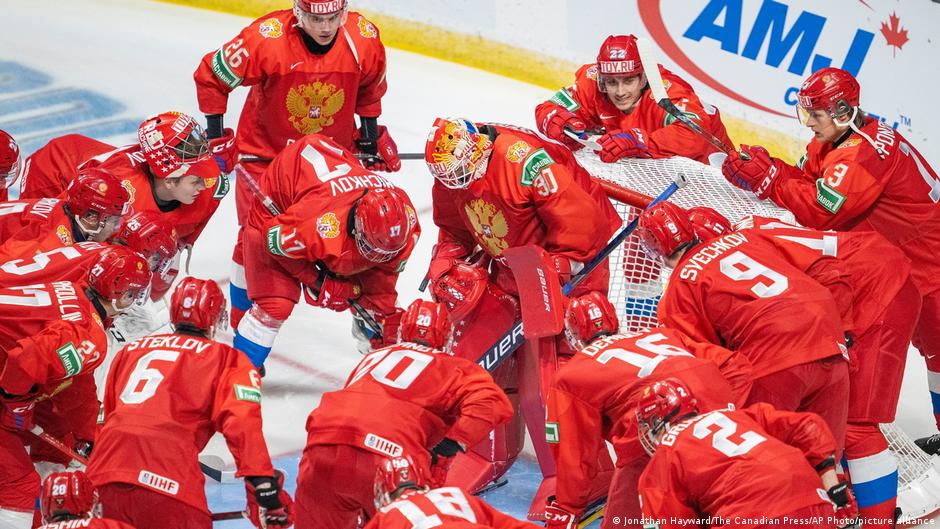
Canada will deny entry to Russian and Belarusian participants at the 2027 World Juniors, highlighting the limits of sports arbitration amid geopolitical sanctions.

Kyiv and Moscow discussed exchanging up to 3,000 prisoners as Abu Dhabi talks turned to territory, energy, Black Sea security and de-escalation.

The EU has extended its Ukraine military training mission through 2028, embedding battlefield instruction in a broader, multi-year security and financing framework.

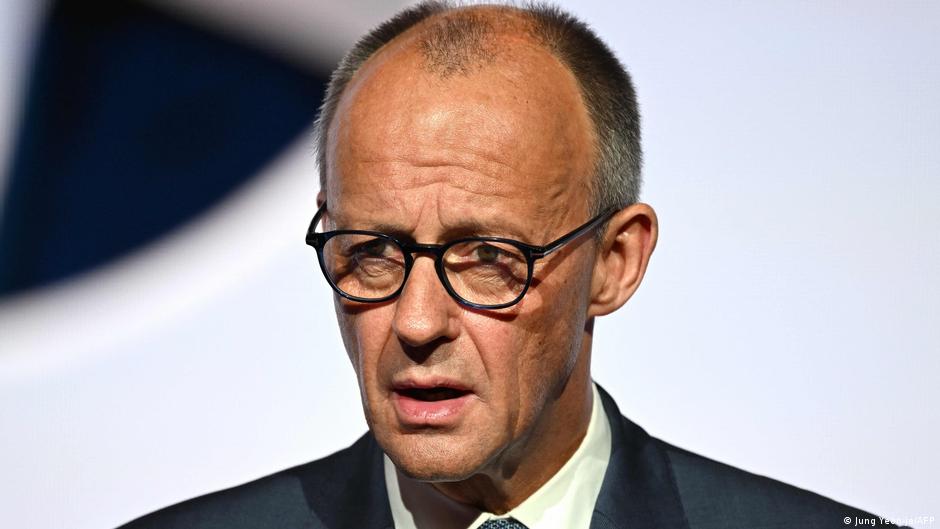
Friedrich Merz is linking agreement on Ukraine’s €45 billion EU funding gap to progress on other financial decisions and demanding broader burden-sharing.

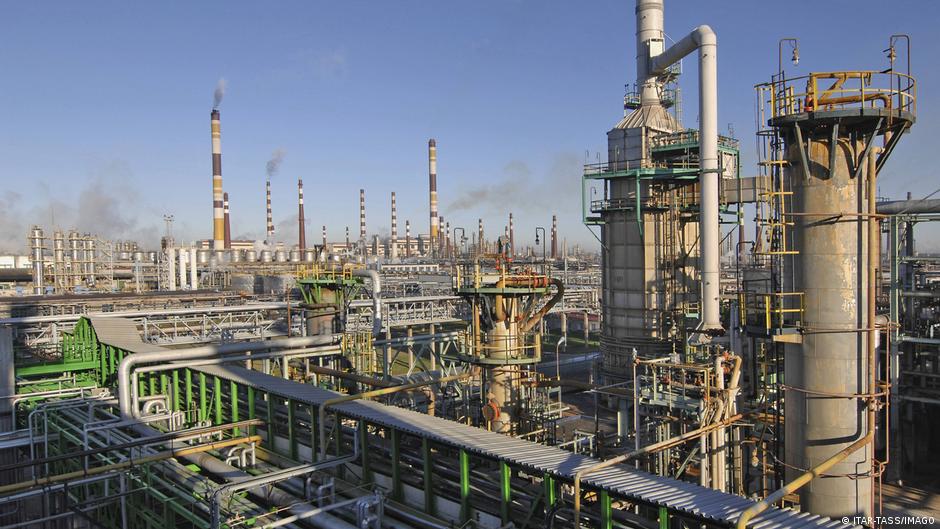
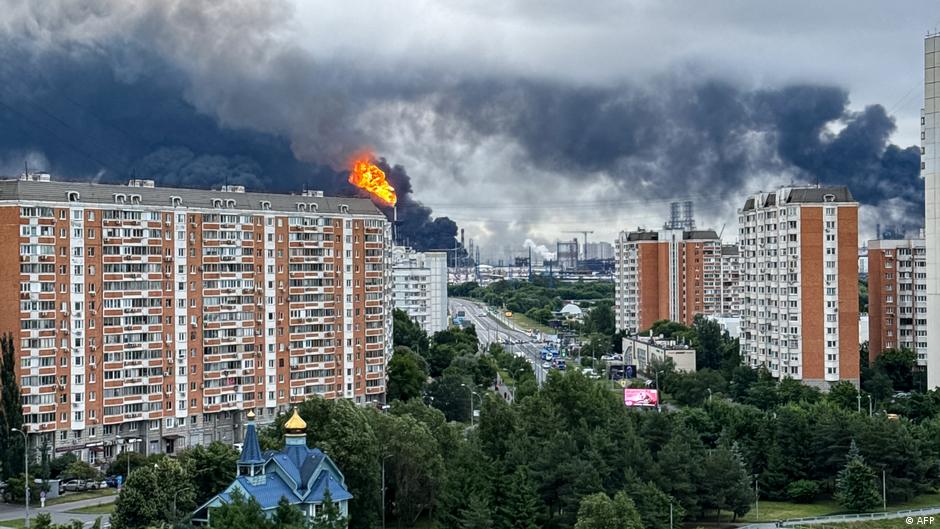
A drone strike on the Kirishi refinery exposes the economic risks surrounding a plant responsible for about 7% of Russia’s oil processing.

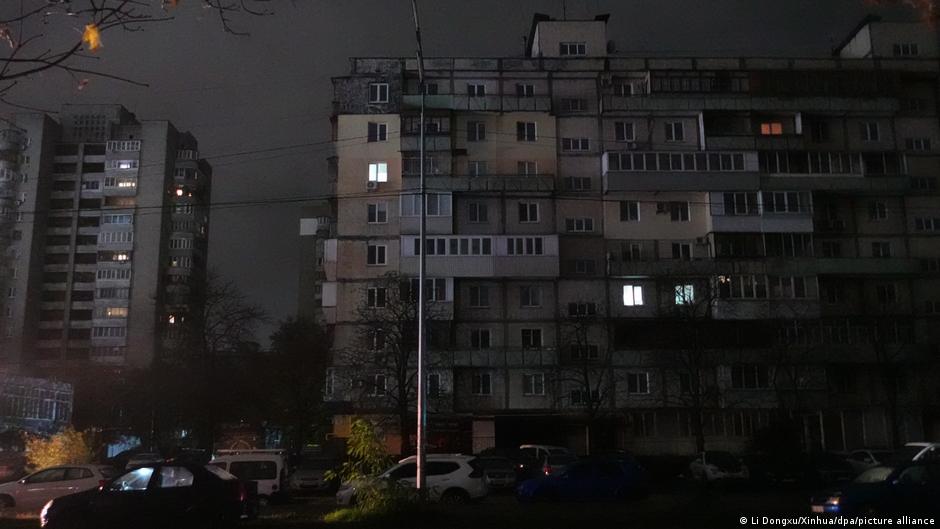
A dispute between Zelensky and Kyiv Mayor Klitschko reveals how energy attacks, repair bottlenecks and divided authority threaten Ukraine’s urban economy.

A reported fire at Oryol’s Proton plant underscores the vulnerability of specialized suppliers supporting Russia’s missile and air-defense production.

At least 350 Russian conscripts have been confirmed killed, exposing uncertainties over contract conversion and the war’s long-term labour costs.

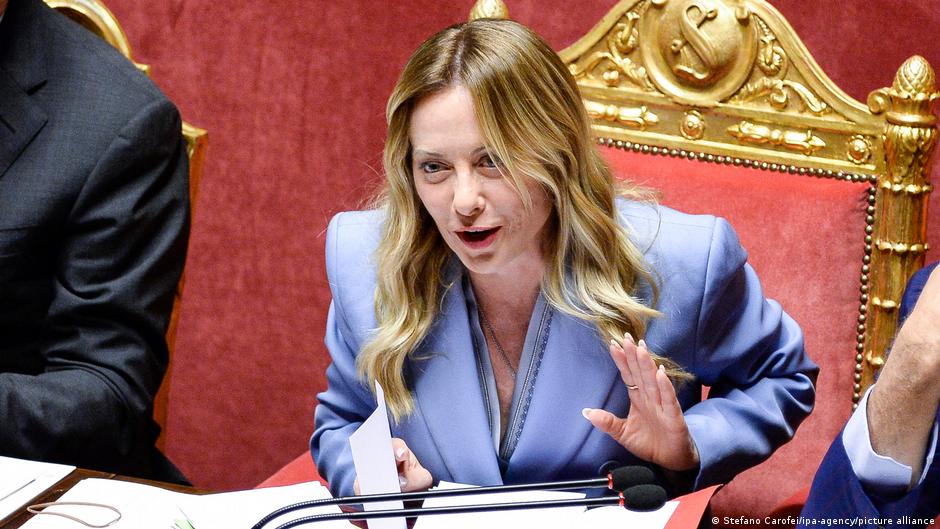
Meloni says the EU must choose an authorized voice for Ukraine peace talks or risk weakening Europe’s diplomatic leverage and economic interests.

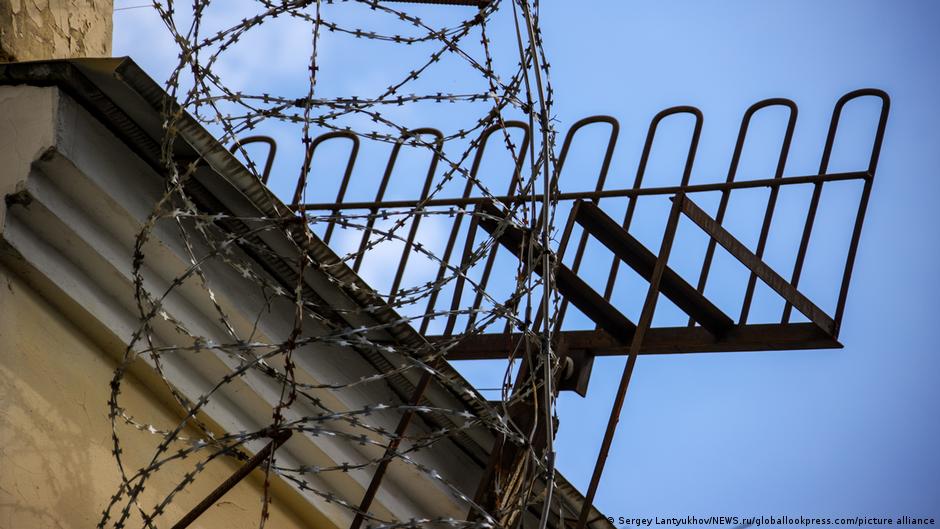
The death of Kharkiv educator Alexandra Kazarovitskaya in Crimean detention underscores the wider costs of repression for families, property and human capital.

Germany plans an extra €100 million for Ukrainian generators, energy storage, infrastructure repairs and winter preparation at 2,000 schools and kindergartens.

Zelensky expects Democratic control of Congress to expand US military and financial support for Ukraine and reinforce transatlantic coordination.

Mikhail Khodorkovsky says Europe needs credible exit routes for Russian elites while avoiding a punitive transition that could trigger armed resistance and renewed authoritarianism.

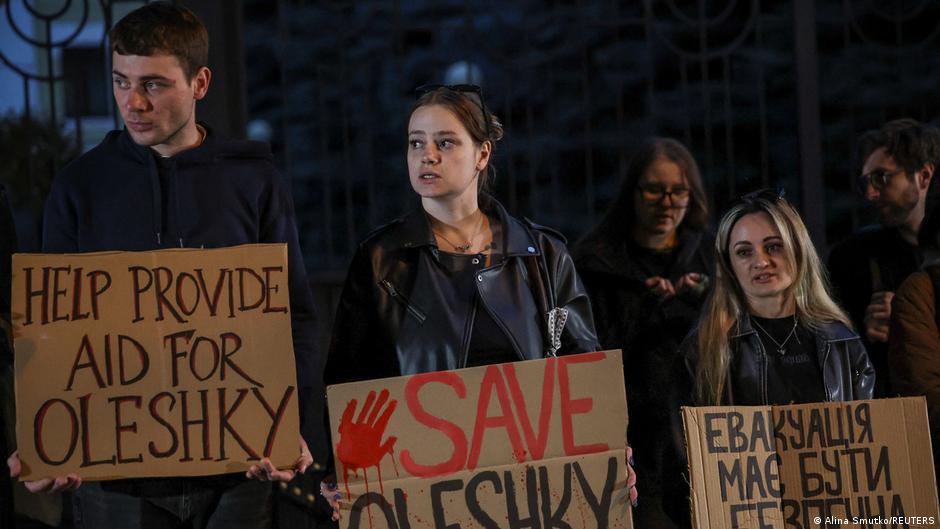
The White House will review an Oleshky truce that enabled hundreds of civilian evacuations and the delivery of humanitarian aid.

Abu Dhabi talks will link near-term de-escalation with Ukraine’s postwar security, European strategy and the economics of reconstruction.

False emergency alerts in Ukraine and Russia reveal the financial and institutional costs of securing trusted public-warning infrastructure.

A US proposal to restore Russian gas transit through Ukraine could support an energy truce but challenge Europe’s planned withdrawal from Russian supplies.

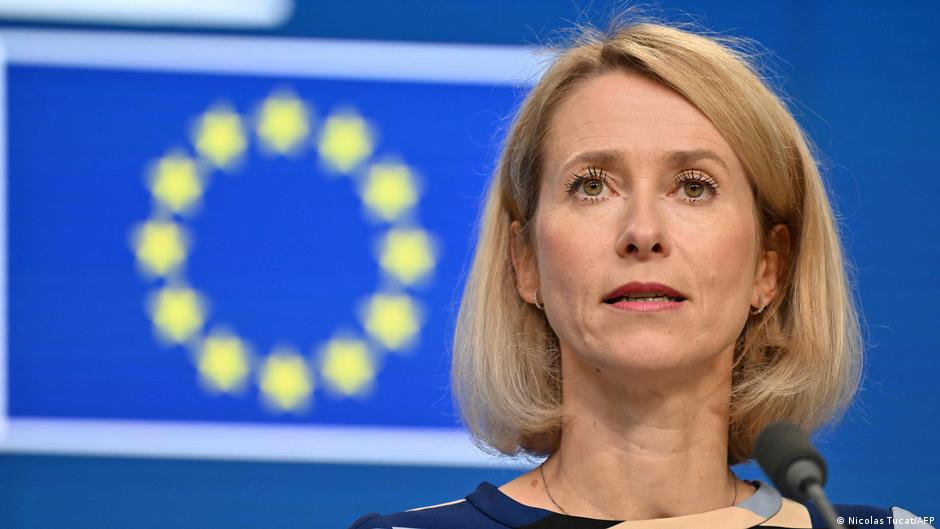
Kaja Kallas said Russia showed no readiness for Ukraine peace talks at the G20 meeting, reinforcing expectations of prolonged economic and diplomatic strain.

Strikes across Ukrainian cities killed civilians and damaged rail, warehouse, commercial and industrial assets, adding to the country’s cumulative wartime economic burden.

Ukraine’s reported refinery-strike pause shows how US election concerns, fuel prices and Kyiv’s reliance on American technology are reshaping wartime strategy.

Britain and the Netherlands are combining urgent winter defense aid with credit guarantees, energy repairs and multiyear reconstruction funding for Ukraine.

The Pentagon watchdog’s decision exposes the risks created when essential military communications depend on privately controlled satellite infrastructure.

Washington is reviewing sanctions relief for Russia's RDIF as Moscow seeks to involve the fund in diesel supplies to the United States.

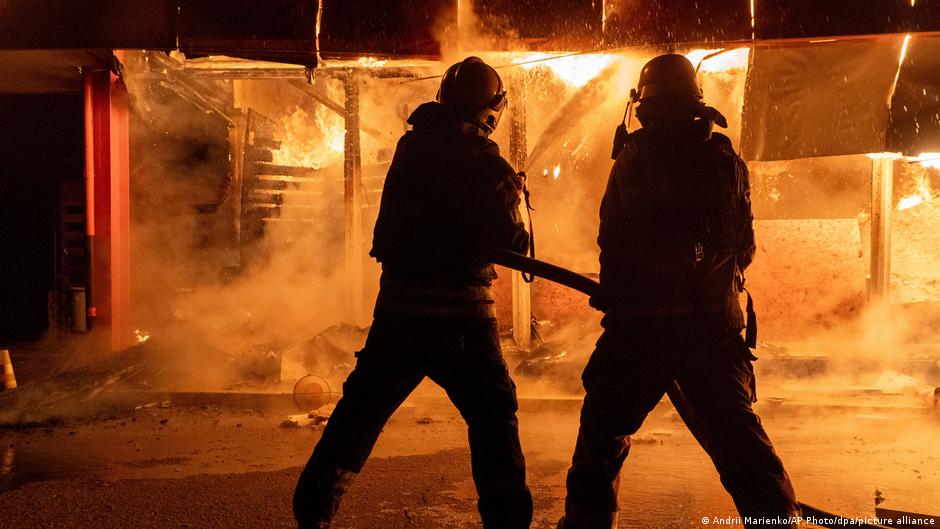
A Russian drone strike injured four people in Kharkiv and set residential and production buildings ablaze, adding to the city’s cumulative economic burden.

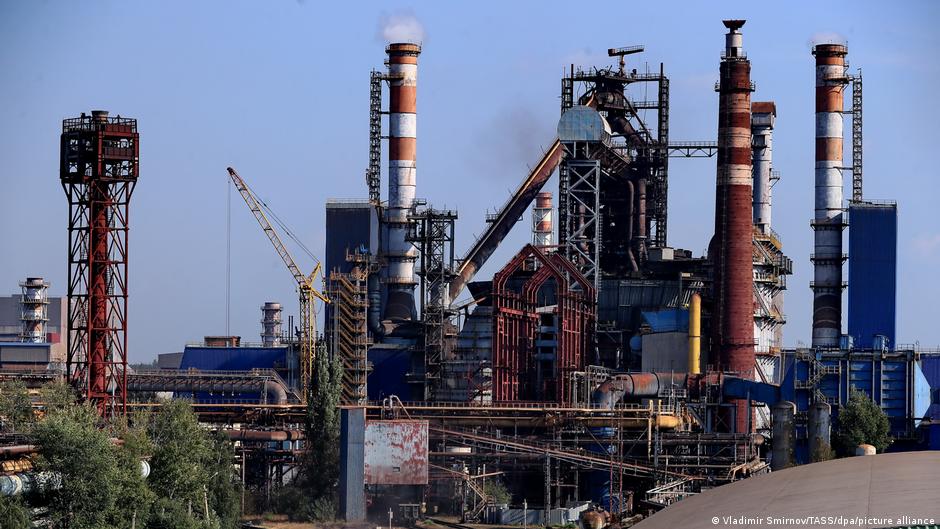
Reported attacks on steel, chemical and battery plants show how Ukraine’s long-range campaign may raise costs across Russia’s concentrated industrial supply chains.

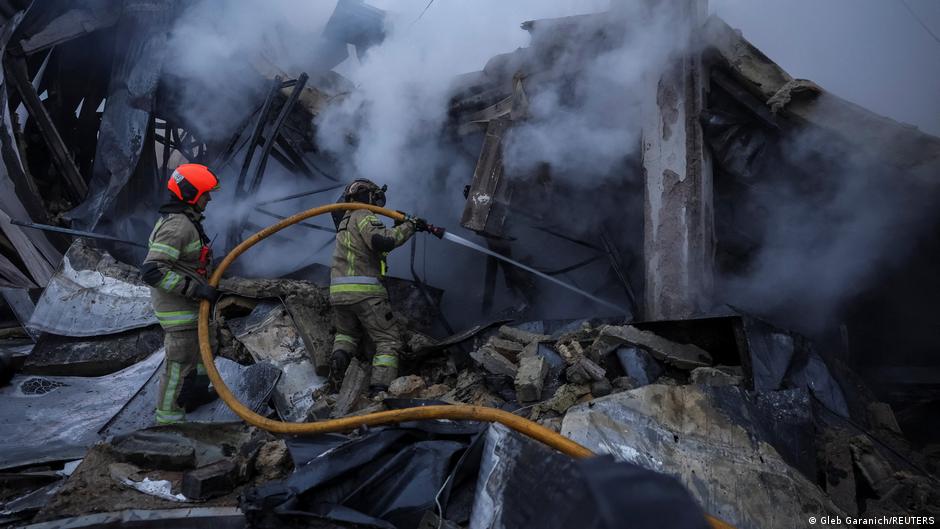
Missile strikes killed at least three people in Kyiv and Kharkiv, adding damaged housing and public infrastructure to Ukraine’s mounting urban economic burden.

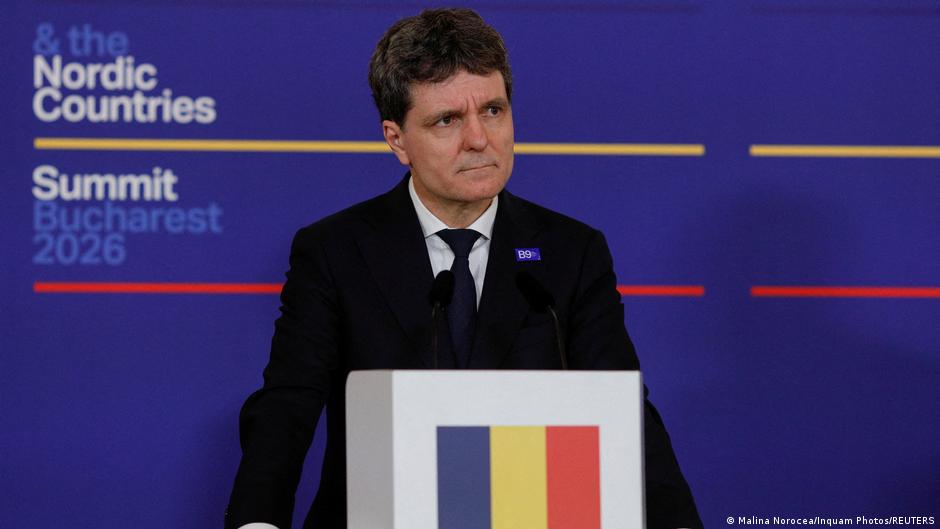
Romania says a Russian-coordinated network targeted an arms factory, underscoring the economic and security risks facing Europe’s defense supply chains.

A bilateral ceasefire is intended to bring aid and evacuations to Oleshky, a mined and flood-damaged Ukrainian city reduced to a fraction of its prewar population.

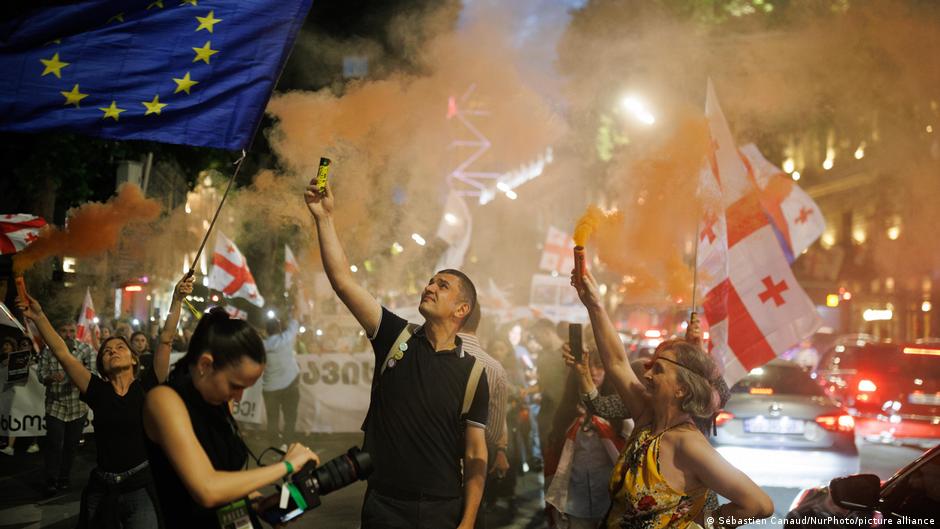
Georgia’s opposition has begun a new protest campaign as the Constitutional Court considers a case seeking to ban opposition parties.

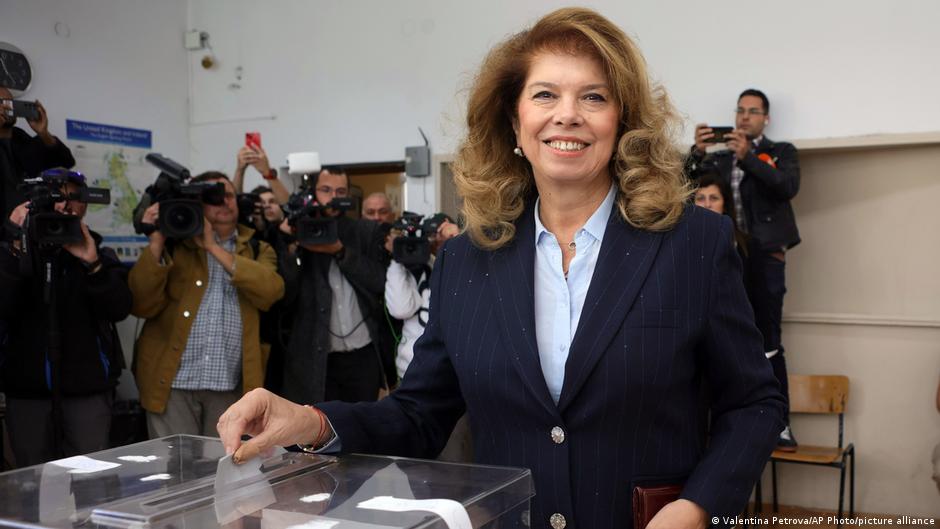
Bulgaria’s presidential runoff will pair Iliyana Yotova against Andrey Gyurov after a first round marked by 22.2% turnout and growing debate over Ukraine.

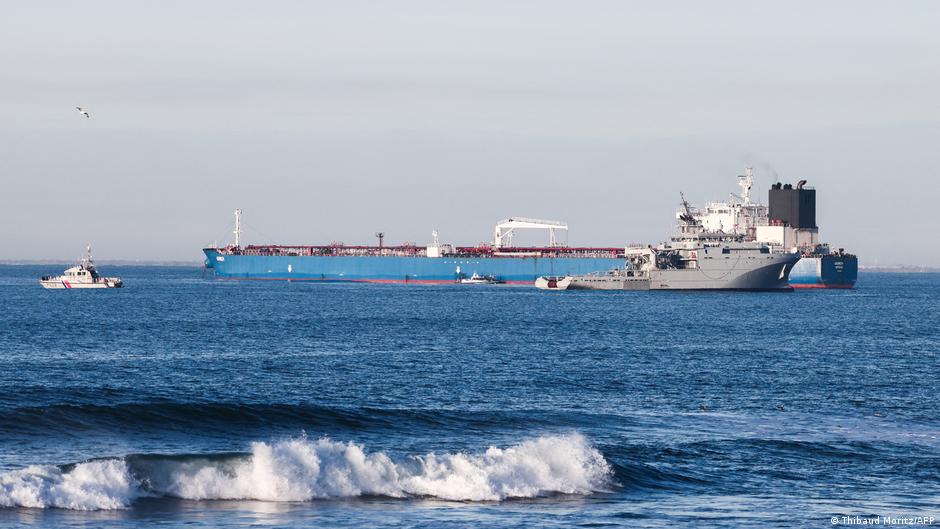
MYRA’s Atlantic distress call highlights the rising operational and economic risks surrounding sanctions-evasion oil shipping.