Ukraine Demands Ban on Russian Military in UN Missions Citing Sexual Crimes Amid Conflict
Ukraine calls for exclusion of Russian forces from UN peacekeeping following documented war-related sexual offenses.
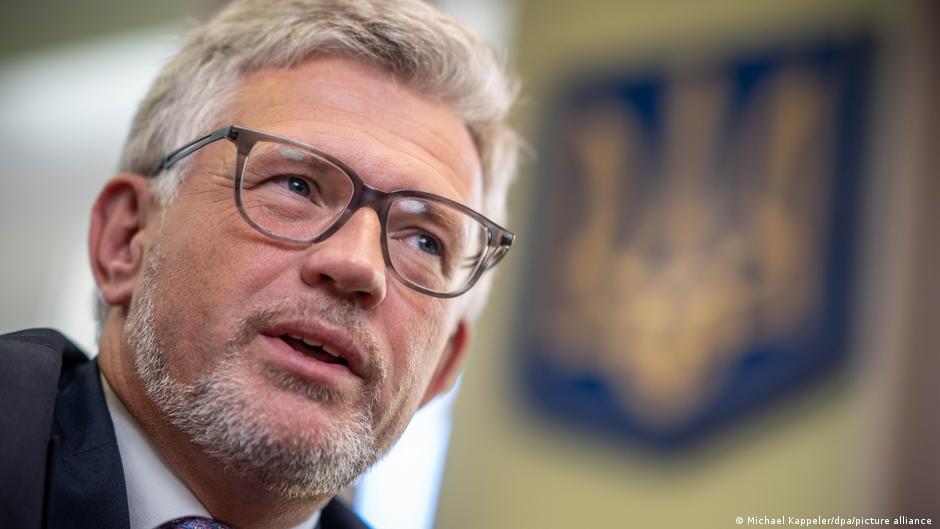
Ukraine has called for an explicit ban on Russian armed forces participating in United Nations peacekeeping and policing missions, citing documented cases of sexual crimes committed by Russian military personnel during the ongoing conflict in Ukraine. This appeal was made by Ukrainian Ambassador Andriy Melnyk during an emergency meeting of the UN Security Council on June 8.
Background and Context of the Appeal
Andriy Melnyk, Ukraine's Permanent Representative to the UN, addressed the Security Council, emphasizing that the Russian military cannot and should not be involved in any UN operations given the serious allegations of sexual violence linked to the conflict. This stance follows the publication of a UN report in late May that, for the first time, officially listed the Russian army in a blacklist for sexual offenses committed against prisoners of war and civilians during hostilities.
"Armed forces that the Secretary-General has again included in the list for conflict-related sexual violence cannot and must not participate in any operations under the UN flag," Melnyk stated, calling for a prohibition on Russian personnel in all UN peacekeeping and policing missions.
The Ukrainian diplomat also sharply criticized Russia's UN ambassador, Vasily Nebenzya, who had dismissed the UN's annual report as an attempt to "discredit Russia." Melnyk underscored that Russia's continued rejection of UN General Assembly resolutions and the organization's findings undermines the very purpose of the global body.
Moreover, Melnyk suggested that Russia should consider withdrawing from the United Nations if it persistently refuses to uphold the principles underpinning the organization’s mandate. "Perhaps it is time to say goodbye and leave the UN," he stated during his address.
Structural and Historical Implications
The Ukrainian demand raises significant questions about the role and accountability of peacekeeping forces within the UN framework. Historically, UN peacekeeping missions have been viewed as impartial stabilizing forces authorized to maintain ceasefires and protect civilians. However, repeated instances of misconduct, including sexual exploitation and abuse by peacekeepers, have marred the UN's reputation.
Russia’s alleged involvement in sexual crimes during the Ukraine conflict and its potential participation in UN missions pose a critical challenge to the credibility of UN peace operations. If member states implicated in serious human rights violations continue to be allowed into these missions, it risks eroding international trust in the UN’s peacekeeping effectiveness and ethical standards.
Furthermore, the call for banning Russia from peacekeeping missions underlines the broader geopolitical contest within the UN system, where Russia’s actions in Ukraine have led to increasing isolation and condemnation by Western states and some UN bodies.
Current Conflict Dynamics and Ukraine’s Peace Proposal
Melnyk also highlighted Russia's refusal to engage in meaningful peace talks, despite Ukraine proposing a concrete path forward involving a meeting between the leaders of Ukraine and Russia on neutral territory. According to Melnyk, Russian President Vladimir Putin has repeatedly declined such overtures, emphasizing the ongoing stalemate and military escalation.
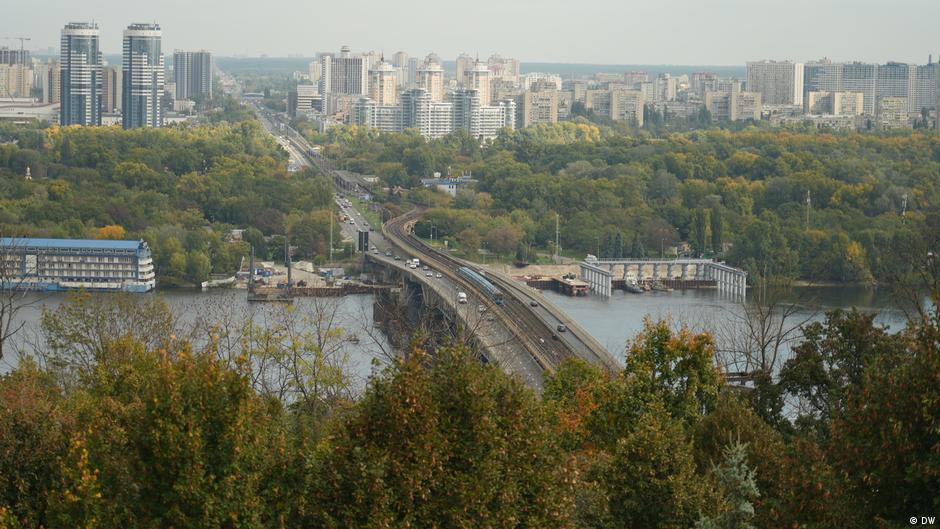
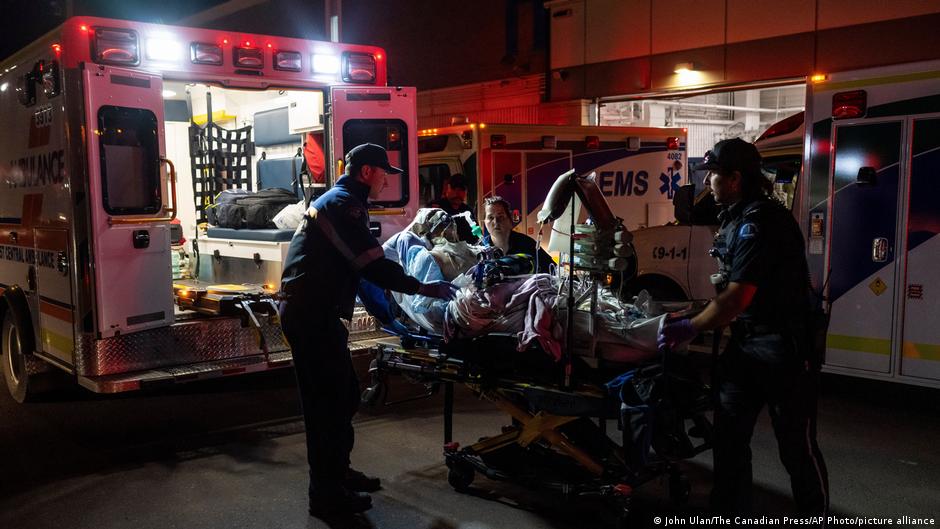
The emergency Security Council session was convened at Ukraine’s request following one of the most intense Russian military attacks since the war’s escalation. On the night of June 2, Russian strikes across Kyiv and Dnipro resulted in at least 22 deaths and over 100 injuries, primarily in the Kyiv region, underscoring the human toll and instability fuelling international concern.
Conclusion
The Ukrainian demand to exclude Russian forces from UN peace missions reflects deep tensions in international governance amid the ongoing war. It challenges the UN to reconcile its principles of impartiality and human rights with the realities of geopolitical conflict and violations of international law. The situation also spotlights the urgent need for UN reforms to ensure accountability and maintain the integrity of its peacekeeping operations in increasingly complex conflict environments.