Ukraine Gains Strategic Initiative Over Russia Amid Escalating Deep-Strikes Campaign
Recent months mark a shift in the conflict with Ukraine expanding strike operations deep into Russian territory, signaling significant strategic and economic implications.
According to a detailed analysis by The Economist, Ukraine appears to have seized the strategic initiative from Russia for the first time in over three years of conflict. This shift is underscored by growing scale, range, and intensity of Ukrainian military operations targeting deep into Russian territory.
Changing Dynamics on the Eastern Front
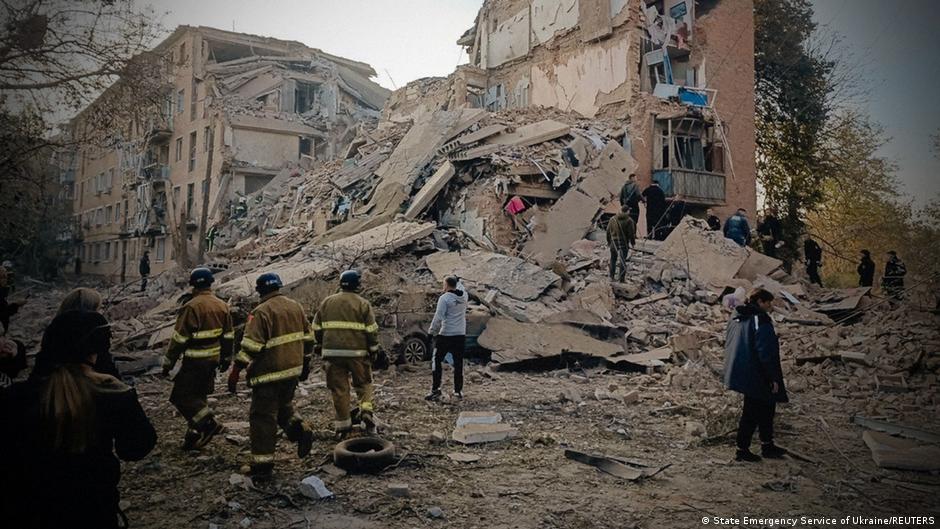
The protracted conflict has seen a notable transformation since the harsh winter months when Ukrainian cities and energy infrastructure endured near-nightly heavy drone and missile bombardments by Russian forces. However, recent developments suggest that Ukraine is now inflicting increasingly significant damage on Russia, fundamentally altering the balance of the war.
The anticipated Russian spring offensive turned out to be largely ineffective. In April 2026, Russian forces reportedly lost more territory than they gained for the first time since August 2024, a critical juncture when Ukrainian troops captured parts of Russia’s Kursk region. Based on maps provided by the U.S.-based Institute for the Study of War (ISW), The Economist estimates that Russia lost control over approximately 133 square kilometers in the past month alone.
"Almost every action by Ukraine inflicts progressively greater harm on Russia," The Economist commentary notes.
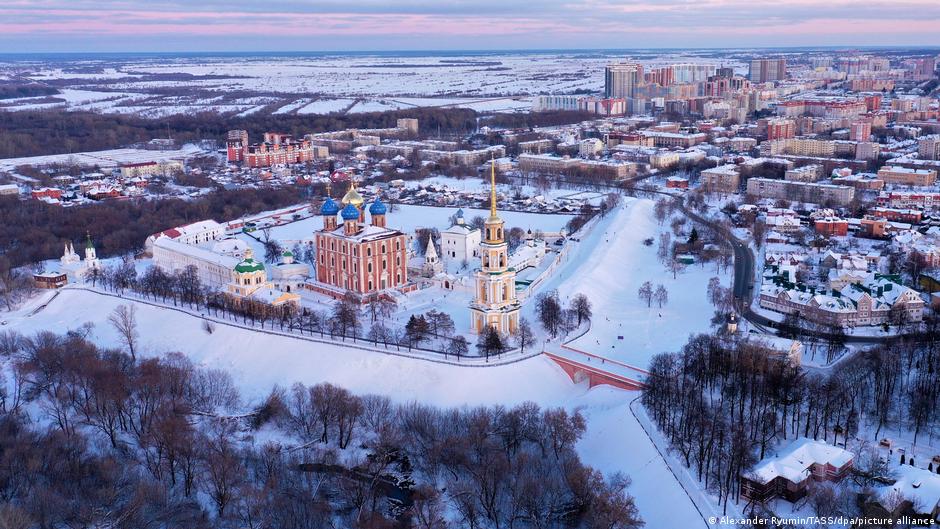
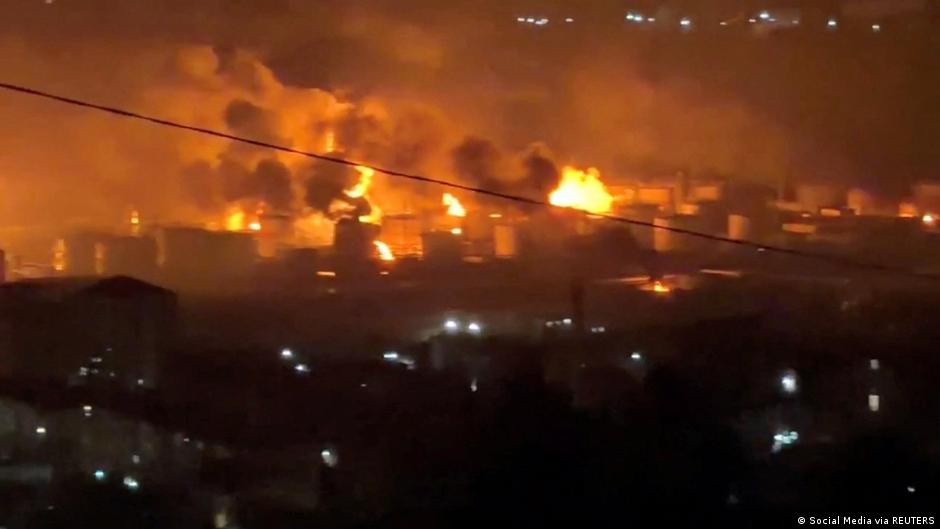
Simultaneously, Ukraine has expanded its capacity to conduct long-range strikes using drones and missile systems, striking economic and military targets located nearly 2000 kilometers from the Ukrainian border. This operational reach places about 70% of the Russian population within range of Ukrainian unmanned aerial vehicles (UAVs), representing a profound escalation in the conflict’s geography and psychological impact.
Human and Structural Costs of Prolonged Conflict
The human toll remains staggering. Since the beginning of the full-scale invasion, Russian military casualties — including killed and severely wounded — are estimated at around 1.4 million personnel, with monthly losses averaging approximately 35,000. Such attrition not only depletes manpower but also undermines Russia’s military effectiveness and long-term strategic posture.
Expert analysis from Sir Lawrence Freedman, Emeritus Professor at the Royal College of Defence Studies, emphasizes that the coming months will be critical. The trajectory of the war hinges on Russia’s ability to counter Ukraine’s UAV successes and whether Moscow can mobilize substantial forces for a potential summer offensive.
Beyond military implications, these developments carry significant economic consequences. The increased reach of Ukrainian strikes into Russia jeopardizes key infrastructure and industrial assets, threatening to disrupt supply chains, energy distribution, and broader economic stability. The persistent attrition and territorial losses strain Russia’s capacity to sustain prolonged military engagement without exacerbating internal economic pressures.
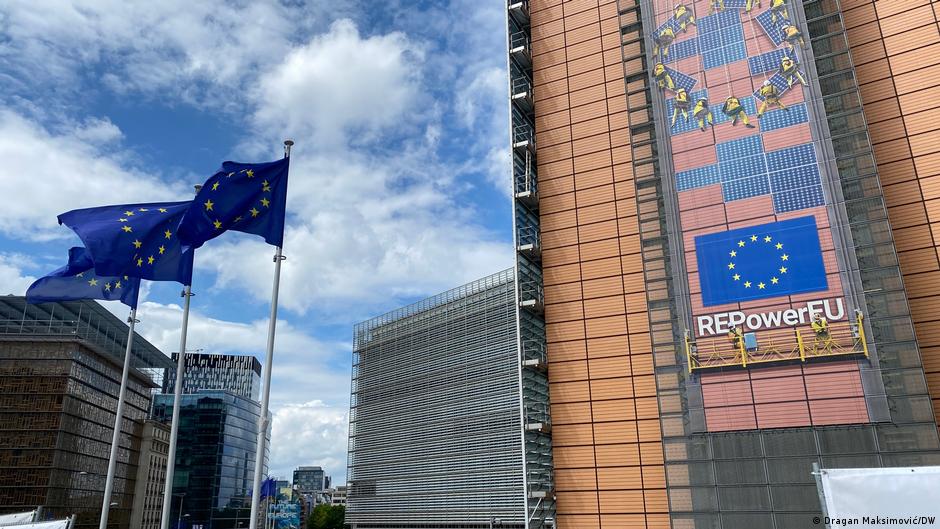
European Union officials echo the emerging consensus about shifting power dynamics. Following a recent meeting of EU foreign ministers in Brussels, High Representative Josep Borrell remarked that Ukraine occupies a far stronger position than a year prior, while the Russian president Vladimir Putin is perceived to be in a weaker state than ever before. This political dimension underscores the interlinked nature of military success and international diplomatic posture.
Historical Parallels and Long-term Outlook
Historically, wars characterized by extended attrition and evolving technological applications — such as UAVs — often see strategic momentum shift to the side that innovates operational methods and exploits logistical vulnerabilities. Ukraine’s enhanced drone campaign mirrors similar patterns seen in other conflicts where air superiority and deep-strike capabilities decisively influence outcomes.
The current phase of the war exemplifies how modern warfare integrates economic targeting and psychological operations to undermine adversary resilience. The deep strikes into Russia’s heartland extend the battlefield far beyond traditional frontlines, complicating Russia’s defense and economic planning.
As the conflict continues, the structural consequences for both countries’ economies remain profound. Russia faces mounting pressure to replenish military losses, maintain economic sanctions resilience, and protect critical infrastructure under threat of attack. Meanwhile, Ukraine's expanded operational reach could leverage more decisive bargaining power in eventual peace negotiations or conflict resolution frameworks.