Latvia’s Defense Minister Resigns After Drone Airspace Breach Amid Regional Security Concerns
Latvia’s Defense Minister Andris Sprūds steps down following unauthorized drone incursions linked to Ukraine-Russia conflict, raising strategic and security challenges.
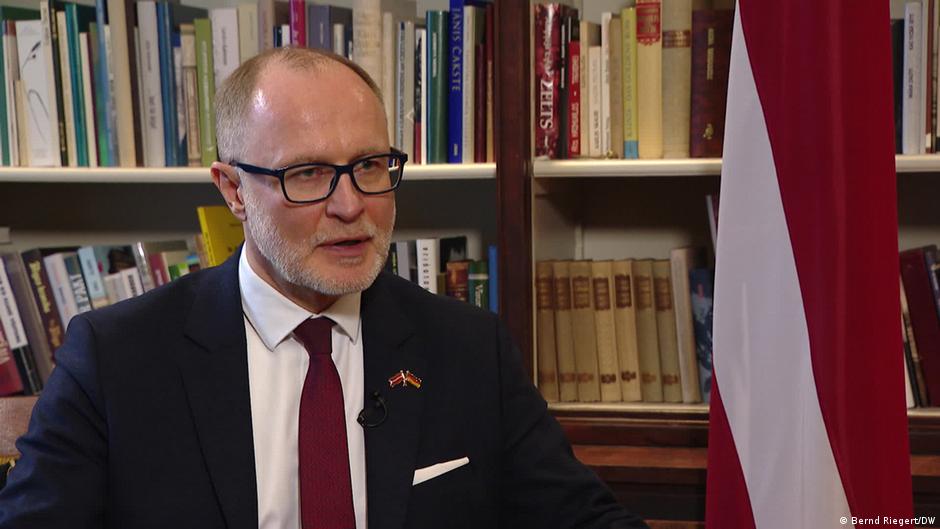
Latvia’s Defense Minister Andris Sprūds resigned in the aftermath of an incident involving two drones that breached Latvian airspace. These drones, reportedly of Ukrainian origin, were believed to have deviated from their intended routes during strikes targeting Russian infrastructure.
The incident, which occurred on the night of May 7, saw two unmanned aerial vehicles enter Latvian airspace near the border with Russia. One drone crashed on the premises of an oil refinery in the city of Rēzekne, triggering significant security concerns. The Latvian government quickly moved to investigate the breach, which has implications for regional security amid ongoing tensions stemming from the Russia-Ukraine conflict.
Political Fallout and Security Implications
Minister Sprūds announced his resignation, stating that he wished to protect the Latvian military from being drawn into a political dispute. "I have decided to step down to safeguard the Latvian army from being dragged into a political campaign," he said. He emphasized that "unauthorized drones must not threaten public safety." This move came after Latvian Prime Minister Evika Siliņa publicly expressed loss of confidence in Sprūds and called for his dismissal, citing the military leadership’s failure to uphold promises of securing Latvian airspace.
The incident not only underscores the challenges smaller NATO member states face amid the Ukraine-Russia war but also highlights the complexity of managing security when military operations spill across borders. Latvian authorities continue investigations into the origins and flight paths of the drones, yet early assessments suggest they were launched from Ukrainian territory targeting Russian assets.
"Ukraine has the full right to self-defense and strikes against targets in the Russian Federation," Sprūds stated, reflecting the delicate balance NATO countries must maintain between supporting Ukraine and managing their own territorial security.
Ukraine has been engaged in active defense and counteroffensive operations since the full-scale Russian invasion five years ago. Its use of drones to strike military and energy infrastructure within Russia has occasionally led to violations of airspace in neighboring countries, including Finland and the Baltic states.
In a related development, Estonian Defense Minister Hanno Pevkur urged Ukraine to improve drone control measures to prevent further unintended incursions into allied airspace.
Structural Economic and Security Consequences for the Baltic Region
This incident exemplifies the structural vulnerabilities that small states bordering conflict zones face, particularly in terms of airspace security and infrastructure protection. Latvia’s oil refinery in Rēzekne, targeted indirectly by the drone crash, represents critical energy infrastructure whose disruption could have ripple effects on regional energy supply chains and economic stability.
Moreover, the political repercussions of the incident reveal domestic governance challenges in balancing national security priorities with alliance commitments. The Latvian government’s swift response—culminating in Sprūds’s resignation—signals an acute awareness of the political risks inherent in military missteps during sensitive geopolitical conflicts.
Historically, border states adjacent to military conflicts have frequently encountered spillover effects that strain their defense capabilities and economic resilience. The drone incursions mirror Cold War-era airspace violations that underscored the geopolitical vulnerabilities of small states caught between larger powers.
As the conflict between Ukraine and Russia continues to evolve, NATO’s eastern flank—including Latvia—faces ongoing pressures to enhance surveillance, air defense, and crisis management frameworks. Improving coordination with Ukraine on drone operations, as advocated by regional defense ministers, may be essential to mitigating unintended consequences and safeguarding the economic and security interests of the Baltic states.
In summary, the resignation of Latvia’s Defense Minister highlights the multidimensional challenges posed by new forms of warfare technology such as drones. This event not only challenges Latvia’s national defense posture but also serves as a reminder of the broader structural ramifications for regional security and economic stability in Eastern Europe.