UAE's Covert Military Strikes on Iran Signal Shift in Gulf Economic Security Dynamics
The UAE's secret attacks on Iranian targets mark a new phase in Gulf regional conflict with significant economic repercussions.
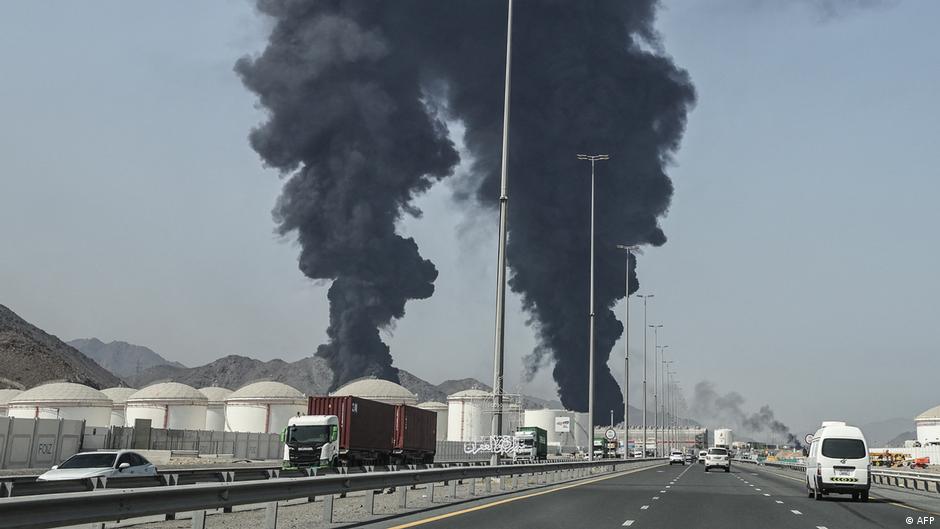
Recent reports indicate that the United Arab Emirates (UAE) has conducted covert military strikes against Iran, marking a pivotal development in the ongoing regional conflict. While Abu Dhabi has not publicly acknowledged these actions, informed sources reveal a notable strike in early April targeting an oil refinery on Iran's Lavan Island in the Persian Gulf.
Strategic Context and Economic Implications
The revelation comes amidst a fragile ceasefire announced by the United States and Israel approximately five weeks after the outbreak of hostilities with Iran. Despite this diplomatic move, the UAE's engagement underscores a more assertive posture in response to sustained Iranian attacks on its territory.
According to estimates, Iran has launched around 2,800 drone and missile attacks against the UAE since the conflict began, surpassing assaults on any other nation, including Israel. These attacks have inflicted substantial damage on critical sectors such as aviation, tourism, and real estate, precipitating layoffs and unpaid leave within UAE companies.
The economic fallout has extended beyond immediate operational disruptions. Officials from Gulf states assess that Iran's actions aim to destabilize the UAE's economic and social model, which heavily relies on attracting foreign talent and maintaining a reputation for safety and stability. This paradigm shift threatens the broader economic architecture of the Gulf region.
"Iran is now viewed as a pariah state intent on undermining the UAE's economic and social framework, which is founded on openness and security," regional officials observe.
UAE's possession of a capable air force, equipped with French Mirage and advanced American F-16 fighter jets, and highly trained pilots enhances its strategic ability to conduct precision strikes. This military capacity, combined with tacit support from Washington—evidenced by the United States’ muted response to the Lavan Island attack—signals a tacit alignment of interests among Gulf allies to counter Iranian aggression.
The UAE Ministry of Foreign Affairs has refrained from commenting on the specific strike but reiterated its stance on retaining the right to respond to hostile acts, including through military means. The Pentagon also declined to provide commentary.
These developments highlight an evolving security landscape in the Persian Gulf, where economic stability is increasingly intertwined with military strategy. The UAE’s covert operations reflect a broader recalibration of regional alliances and underscore the intersection of geopolitical conflict with economic resilience.