Ukraine Pauses Russian Refinery Strikes as US Election Risks Mount
The reported halt underscores how energy prices, wartime leverage and Ukraine’s technological dependencies are converging in US electoral politics.
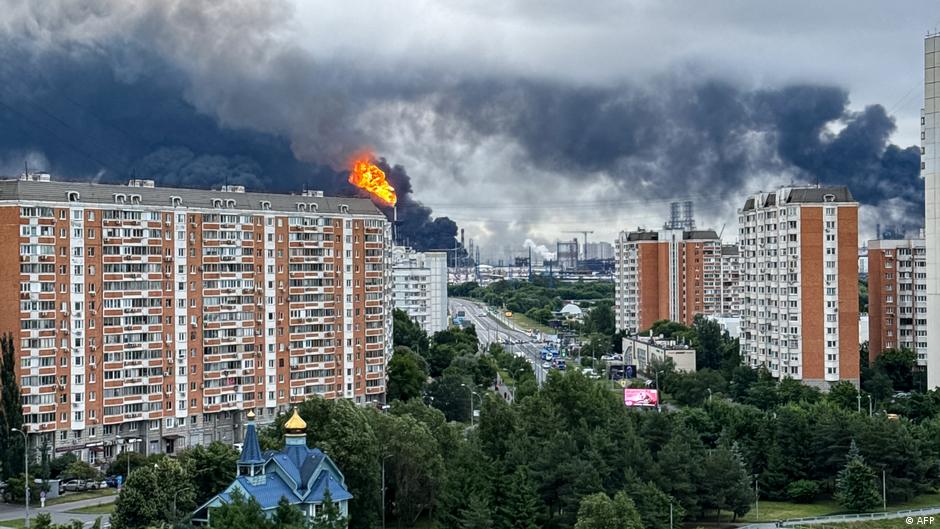
Ukraine has informally suspended attacks on Russian oil refineries following weeks of pressure from US President Donald Trump, according to The Wall Street Journal, in a move that exposes the increasingly direct connection between the war’s energy front and American electoral politics.
The pause reportedly began early last week, when tensions between Kyiv and Washington were at their highest, and is expected to last at least until the US midterm elections on November 3. It could continue for part of November. Ukraine has not officially announced a suspension, leaving Kyiv room to resume operations if its military leadership considers refinery strikes necessary.
The immediate economic concern in Washington is the price of fuel. Republican candidates reportedly feared that elevated prices could damage their prospects in the midterms. Trump has blamed Ukrainian attacks on Russian refining capacity for high global fuel prices, although energy experts cited in the report attribute the increases primarily to the US-Israeli war against Iran. His administration has also eased sanctions affecting Russian diesel fuel in an effort to reduce costs for American farmers and other consumers.
Energy warfare meets the US electoral calendar
The episode illustrates a recurring feature of modern conflicts: military operations against energy infrastructure can produce political consequences far beyond the battlefield. Refineries are particularly sensitive targets because they transform crude oil into diesel, gasoline and other fuels required by armies, industries and households. Even when crude supply remains available, disruptions to processing capacity can tighten markets for refined products and increase uncertainty among traders and consumers.
In earlier energy crises, governments facing elections have frequently treated fuel affordability as both an economic and political priority. The current dispute follows that broad historical pattern, but with an unusual reversal of leverage. Ukraine is being asked to limit attacks on an adversary’s energy sector not because the targets lack military or economic value, but because the possible market effects have become politically costly for its principal partner.
That tension was made explicit during talks in Oslo on October 20. Two unnamed US officials told the Journal that Jared Kushner, Trump’s son-in-law, joined by video a meeting involving US special envoy Steve Witkoff, Ukrainian President Volodymyr Zelensky and European delegations. Kushner said that he and Witkoff were spending substantial time, energy and jet fuel negotiating with Moscow over terms for ending the war. A 30-day halt to Ukrainian refinery strikes, he argued, could demonstrate Kyiv’s gratitude.
According to the reported message in Oslo, a 30-day pause could be a way for Ukraine to “show its gratitude.”
European governments also became concerned as rhetoric between Trump and Zelensky intensified and disruptions affected Starlink satellite communications. One European official said Kyiv’s European supporters likewise advised Zelensky to stop refinery attacks until after the US elections.
Dependence remains Washington’s central leverage
Ukraine’s decision demonstrates the structural limits on its military autonomy. Despite Trump ending most US military and financial assistance after returning to the White House last year, Kyiv remains dependent on Starlink, US intelligence and interceptor missiles for Patriot air-defense systems. Those dependencies leave Ukraine vulnerable to American pressure even when direct aid has been sharply reduced.
The Starlink issue acquired particular significance during the diplomatic confrontation. The day after the Oslo meeting, Trump called SpaceX chief Elon Musk and asked him to restore the satellite communications service for Ukraine. Sources cited in the report said the restoration and the refinery pause were not connected. Economically and strategically, however, the two developments reveal the same underlying imbalance: access to privately operated communications infrastructure and state-controlled intelligence or air-defense supplies can influence the choices of a country conducting a war.
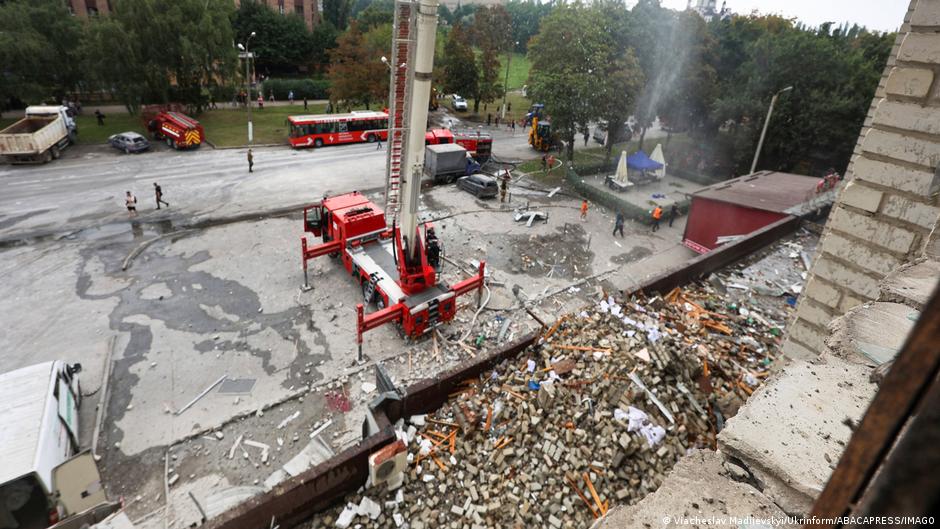
For Kyiv, pausing the campaign carries an opportunity cost. Pressure on Russian refining capacity can disrupt fuel production and impose repair, logistical and security expenses. A prolonged suspension may therefore reduce one source of economic strain on Moscow. At the same time, Russia continues to increase missile and drone attacks on Ukrainian cities and energy infrastructure, with a rising civilian death toll. The asymmetry is stark: Ukraine is restraining attacks on Russian energy assets under allied pressure while seeking stronger protection for its own energy system.
Zelensky has indicated that Kyiv wants greater protection for Ukrainian energy infrastructure in exchange for restraint. Whether that protection materializes will determine whether the pause becomes a limited electoral accommodation or a more durable change in strategy.
An informal pause with built-in ambiguity
Two unnamed military officials said Ukrainian units responsible for long-range strikes were told in mid-October that the refinery operation was effectively paused once existing missions had been completed. Another source said Defense Minister Yevhen Khmara told Zelensky that the military had concluded it was better to refrain from refinery attacks because of the delicate diplomatic situation. Zelensky agreed but stressed that forces could strike again if they judged it necessary.
Speaking to reporters in Kyiv on October 28, Zelensky preserved that ambiguity. He said Ukrainian personnel had tried to be more cautious in recent days but had received no order prohibiting attacks on refineries.
This distinction matters. An unofficial slowdown allows all parties to avoid a binding public commitment: Trump can point to lower immediate supply risks, Zelensky can deny surrendering operational authority, and Ukrainian commanders retain a stated option to respond. Yet the broader economic consequence is already visible. Control over communications, intelligence and defensive weapons has given Washington influence not only over Ukraine’s battlefield conduct, but also over decisions affecting global energy markets. The refinery pause is therefore more than a tactical adjustment. It is a case study in how alliance dependence, commodity prices and domestic elections can reshape the economic geography of war.