Ukrainian Strikes Target Wildberries Warehouses Across Russia and Crimea Amid Ongoing Conflict
Recent attacks on key Wildberries logistics hubs reflect escalating economic disruptions and pose broader challenges to Russia’s supply chain infrastructure.
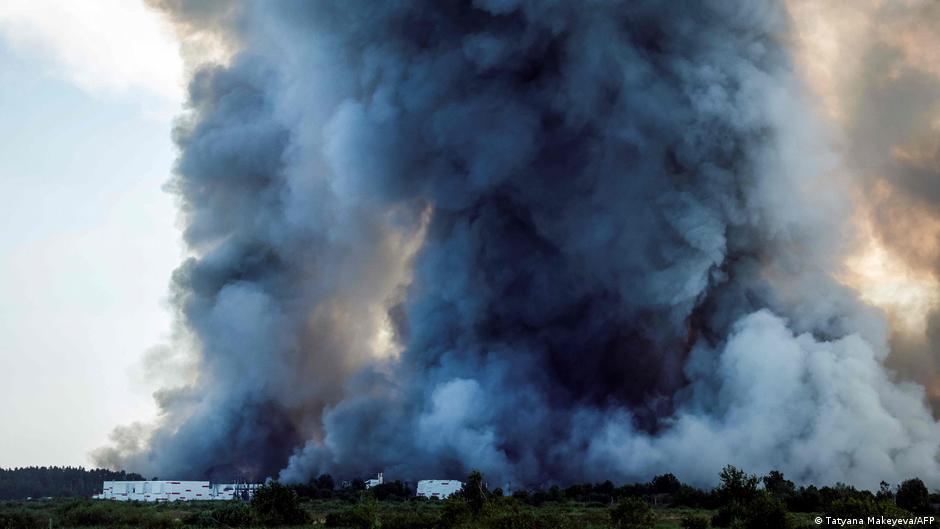
On the night of July 24, Ukrainian forces reportedly launched coordinated attacks against multiple Wildberries (WB) warehouses located in Russia’s Leningrad and Tver regions as well as in annexed Crimea. These strikes mark a continuation of targeted operations aimed at disrupting Russia’s logistical capabilities amid the ongoing conflict.
Scope and Impact of the Attacks
Open-source intelligence and eyewitness footage circulated on social media reveal significant fires at the Wildberries warehouse near St. Petersburg, specifically in the village of Novosaratovka in the Vsevolozhsky district of Leningrad Oblast. This facility, strategically positioned just outside the administrative boundary of St. Petersburg, serves as a major hub for the city’s e-commerce logistics.
According to reports, at least two distinct fire outbreaks were observed over St. Petersburg following the strikes, indicating multiple points of impact. Additional videos purportedly show the attacks in progress, underscoring the precision and coordination involved.
Wildberries’ logistics operations in St. Petersburg neighborhoods of Shushary and Utkina Zavod have been temporarily halted pending safety assessments, as confirmed by the company’s press service.
Parallel attacks reportedly struck the company’s sorting centers in Tver and Simferopol, the latter being in Crimea. The Simferopol facility was evacuated following the strikes to ensure personnel safety, emphasizing the high risks involved in these incidents.
Further reports suggest an attack on an electrical substation in Sudak, Crimea, leading to electricity and water supply disruptions. However, this information remains unverified by independent sources as of now.
Economic and Strategic Consequences
"Ukrainian attacks have damaged approximately 10% of Wildberries’ entire logistics infrastructure, amounting to over half a million square meters of warehouse space," according to recent assessments.
These attacks are part of a sustained campaign that has already inflicted considerable damage on Wildberries facilities in Elektrostal near Moscow, Kotovsk in Tambov Oblast, Krasnodar, and Nevinnomyssk in Stavropol Krai. The scale of destruction threatens to disrupt the company’s ability to maintain supply chains and fulfill orders, which may have ripple effects on the broader Russian retail and e-commerce market.
The death toll from previous strikes, notably those on July 18 in Kotovsk and Elektrostal, reached eight with around fifty injured, underscoring the human cost alongside economic impacts.
Ukrainian President Volodymyr Zelensky characterized these attacks as retaliatory measures responding to Russian strikes on civilian infrastructure within Ukraine. He further alleged that Wildberries’ logistics hubs were involved in supplying components—subject to international sanctions—used in the production of drones and navigation equipment, thereby linking commercial infrastructure to military logistics.
Broader Context and Structural Implications
The targeting of Wildberries’ warehouses represents a strategic shift toward disrupting critical components of Russia’s domestic supply chains and commercial infrastructure. As Russia’s largest online marketplace, Wildberries depends heavily on its network of warehouses to facilitate rapid distribution of goods across vast regions.
Destruction of logistics centers not only hampers retail operations but also exacerbates supply shortages and inflationary pressures by constraining the movement of consumer goods. This, in turn, affects consumer behavior and economic stability, particularly in regions far from economic hubs where alternative distribution channels are limited.
Historically, conflicts have seen economic infrastructure targeted to weaken adversaries’ war-sustaining capacities. The current attacks reflect this pattern, showing how modern hybrid warfare integrates economic disruption with conventional military objectives.
The uncertainty and suspension of warehouse operations further invite reconsideration of risk management strategies among Russian firms. Companies will need to adapt to an environment where commercial infrastructure is increasingly vulnerable to geopolitical conflict, potentially accelerating trends toward localization or diversification of supply chains away from conflict zones.
Moreover, the attacks underscore the interconnectedness between civilian commercial infrastructure and military logistics, raising complex questions about the dual-use nature of such facilities and the implications for international norms and sanctions enforcement.
As the situation develops, the resilience of Russia’s logistics networks and the broader economic repercussions will remain critical areas to monitor, providing insight into the evolving nature of economic warfare in the 21st century.