US Cancels Planned Strikes on Iran Amid Promising Peace Negotiations
President Trump calls off June 11 airstrikes following progress in multilateral talks involving Middle Eastern allies and Tehran.
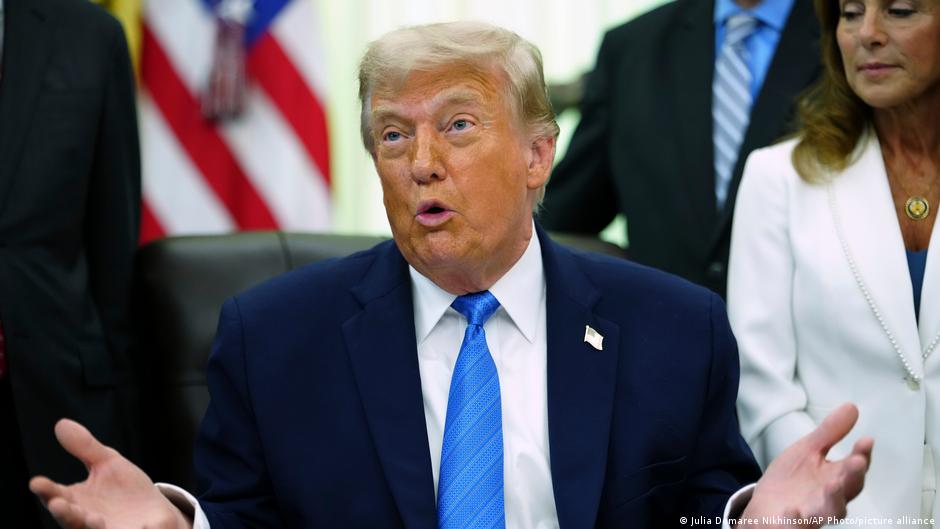
In a significant shift of US policy in the Persian Gulf, President Donald Trump announced the cancellation of planned airstrikes against Iran scheduled for June 11. This decision came after what the White House described as constructive negotiations with "senior Iranian leadership" and broad consensus among regional stakeholders, raising hopes for a peaceful resolution to escalating military tensions.
Context and Regional Dynamics
Trump’s announcement, made via his social media platform Truth Social on the evening of June 11, emphasized that the United States and all involved parties—including Israel, Saudi Arabia, the United Arab Emirates, Qatar, Turkey, Pakistan, Bahrain, Kuwait, Jordan, and Egypt—had agreed on the final terms of a deal. Although details remain scarce, the agreement reportedly includes maintaining a maritime blockade until its formal ratification, with the timing and location of signing to be announced shortly.
"The agreement will ensure Iran never acquires nuclear weapons and will reopen the strategic Strait of Hormuz," Trump stated, highlighting the deal's implications for regional security and global energy markets.
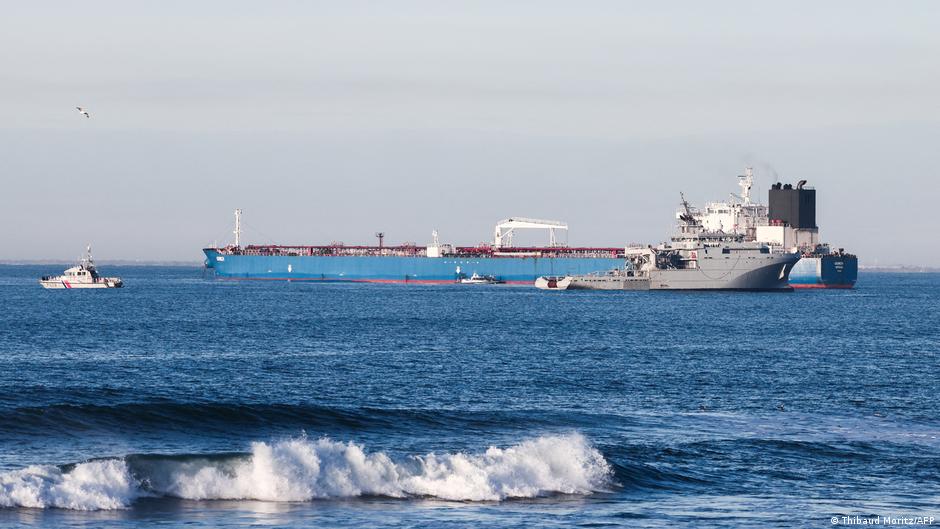
The Strait of Hormuz, a critical chokepoint for global oil shipments, has been a flashpoint for confrontation. Iran’s earlier threats to close the strait and recent missile attacks on US bases heightened fears of a wider conflict disrupting oil flows.
Military Actions and Diplomatic Signals
Only hours before canceling the strikes, Trump had suggested capturing the strategic Iranian oil hub of Khark Island and announced plans for "new, bigger, stronger strikes," though he expressed reluctance to target civilian infrastructure like bridges and power plants. These statements reflected a hawkish approach that contrasted with the later diplomatic overtures.
Meanwhile, the US Central Command (CENTCOM) confirmed renewed strikes on Iranian targets on June 10, citing ongoing Iranian aggression as justification. US Defense Secretary Pete Hegseth clarified that these military actions aimed not to escalate into full-scale war but to create conditions conducive for negotiation.
Iran responded by reportedly launching ballistic missile attacks on US military bases across the Persian Gulf and Jordan, triggering air defense alerts in Kuwait and Bahrain. Iran’s military command reiterated its threat to attack any vessels attempting to pass through the Strait of Hormuz, signaling continued volatility despite the talks.
Challenges and Uncertainties in Agreement Implementation
Iranian officials have so far withheld final approval of the deal. Foreign Ministry spokesperson Esmail Baqaei stated that Iran had not yet reached a definitive decision, while parliament speaker Mohammad Bagher Ghalibaf cautioned against impulsive US actions that could entangle the region in a protracted conflict.
President Trump indicated that the agreement could be signed as soon as the upcoming weekend, possibly in Europe, but he would not attend due to his 80th birthday on June 14. Vice President J.D. Vance is expected to represent the US administration at the signing.
Economic and Strategic Implications
The developments carry profound economic ramifications. The potential reopening of the Strait of Hormuz would alleviate a major risk premium on oil prices, benefiting global markets already sensitive to supply disruptions. Conversely, the maintenance of a maritime blockade until the deal’s completion underscores persistent security concerns.
Historically, US-Iranian confrontations have oscillated between military brinkmanship and diplomacy, often influencing global energy stability. This latest episode illustrates the delicate balance between coercive military strategies and negotiated settlements aimed at preventing wider conflict and ensuring uninterrupted energy exports.
The involvement of multiple regional actors indicates recognition that Iran’s role in Middle Eastern security and economics is integral and cannot be addressed unilaterally. This multilateral approach could mark a strategic evolution in dealing with complex geopolitical challenges in the region.
As the situation continues to evolve, the success of the proposed agreement will depend on sustained diplomatic engagement and the management of hardline factions within Iran and among regional players. The coming days will be critical in determining whether this fragile détente can be solidified into lasting peace and economic stability.