US Conducts Defensive Strikes on Southern Iran Amid Fragile Ceasefire
American military targets Iranian missile launch sites and vessels planting mines, citing self-defense during ongoing peace negotiations.
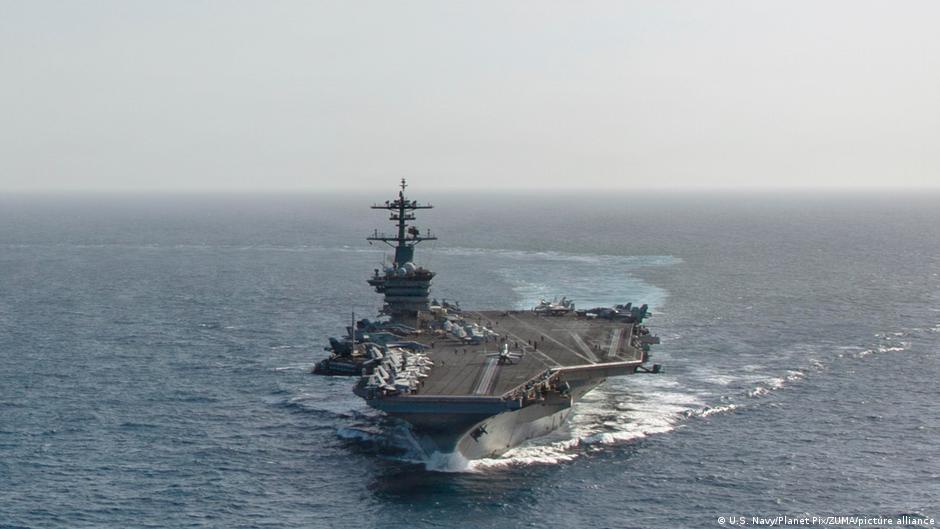
In a significant escalation with broad implications for Middle Eastern geopolitics and global energy markets, the United States military carried out strikes on targets in southern Iran on the night of May 26, 2024. These actions, described by US Central Command (CENTCOM) as "defensive strikes," targeted missile launch facilities and vessels attempting to lay naval mines. The strikes underscore persistent tensions despite a ceasefire agreement in place since early April between the US and Iran.
Context and Strategic Implications
The attacks come amid ongoing peace talks between the two countries, which have been publicly characterized as progressing positively by US leadership. President Donald Trump, in a social media statement on May 25, underscored optimism about the negotiations while simultaneously warning of the potential for renewed and intensified conflict if a deal failed to materialize.
"It will be either a great deal for all, or no deal – and a return to frontlines and fighting, but larger and stronger than ever before, which no one wants," Trump stated, signaling the high stakes involved.
Tim Hawkins, CENTCOM's official spokesperson, emphasized that the strikes were aimed at protecting American troops from threats posed by Iranian forces. He noted that CENTCOM is committed to defending US personnel while exercising restraint under the existing ceasefire framework.
Historical Parallels and Economic Consequences
This episode echoes previous periods of heightened US-Iran tensions, particularly around strategic chokepoints such as the Strait of Hormuz, a crucial artery for global oil shipments. Iran's attempts to deploy naval mines represent a tactical threat to maritime navigation and consequently to the stability of global energy supplies.
The economic reverberations of such military confrontations are significant. Disruptions to oil transit routes can lead to spikes in global energy prices, triggering inflationary pressures worldwide. Historical precedents, such as the 1980s Iran-Iraq war incidents affecting oil tankers, demonstrate how regional conflicts in the Gulf can have outsized effects on global markets.
The current ceasefire and negotiations have provided a relative period of calm, yet the US strikes illustrate the fragility of this détente. A breakdown of talks or further military escalation could destabilize not only regional security but also international supply chains and economic stability.
Structural Economic Consequences
The protracted conflict and intermittent military engagements contribute to an environment of uncertainty that deters long-term investment in the region. Energy companies face heightened operational risks, leading to increased insurance costs and the potential for capital flight. This dynamic reinforces Iran's economic isolation, complicates global energy diversification efforts, and hinders regional economic integration.
Moreover, US military actions signal ongoing American commitment to maintaining influence in the Middle East. This strategic posture affects global economic alliances and energy security policies, particularly among US allies dependent on Gulf oil.
In summary, while the US strikes on Iran are officially termed "defensive," their implications stretch far beyond immediate military objectives. They highlight the complex interplay between geopolitical conflict, international diplomacy, and global economic stability in a strategically vital region.