US Conducts Ten Consecutive Days of Military Attacks Against Iran Amid Rising Tensions
Sustained US strikes target Iranian military infrastructure as regional conflict escalates with reciprocal attacks and maritime disruptions.
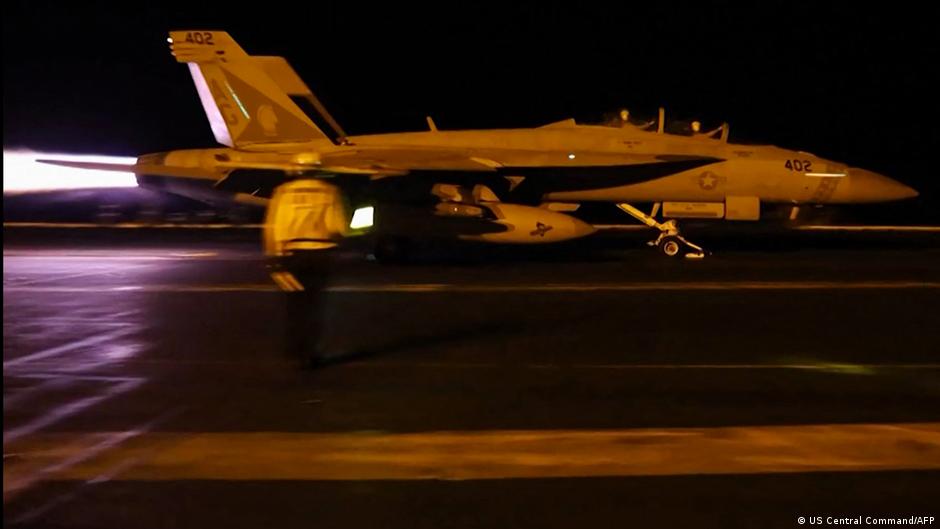
For the tenth consecutive day, the United States military has carried out a series of large-scale attacks against Iran, marking a significant escalation in a conflict whose economic and geopolitical consequences reverberate far beyond the Middle East.
According to a statement from the US Central Command (CENTCOM), the strikes commenced on July 20 at 4:00 p.m. Eastern Time (22:00 Central European Time). The targets included Iranian air defense systems, missile and drone launch sites, as well as command centers. The stated objective was to further weaken Iran's military capacity, which US officials claim has been used to attack civilian shipping vessels in the strategically vital Strait of Hormuz.
Escalating Military Actions and Regional Impact
The ongoing US attacks come amid retaliatory strikes by Iran against countries hosting American military bases. On July 20, Iranian forces launched missile and drone attacks in the Persian Gulf region, hitting locations in Kuwait and Jordan. These developments followed Iran’s earlier declaration on July 18 that it would no longer abide by a ceasefire framework agreed with the United States in June, which had aimed to culminate in a final peace agreement within 60 days.
“Each time Iran kills an American soldier, it will pay many times over,” warned US President Donald Trump on July 21, emphasizing the administration’s intent to respond decisively to any further casualties.
President Trump reiterated this stance shortly before the latest wave of attacks, framing the strikes as a response to recent US military casualties. Since the renewed conflict began in late February, CENTCOM has reported 17 US service members killed, including three deaths during this new escalation.
The conflict has also led to significant disruptions in maritime traffic through the Strait of Hormuz, a critical chokepoint for global oil shipments. Iranian forces detained two oil tankers near the strait on July 20 on accusations of illegal entry or exit via southern routes, with reports indicating explosions aboard the vessels. The London Stock Exchange data shows a sharp decline in shipping traffic: only four ships passed through the strait on July 19, compared to eight on July 18, signaling heightened risks for commercial navigation and energy markets.
Economic and Structural Consequences
The sustained military engagement between the US and Iran carries profound implications for the global economy. The Strait of Hormuz accounts for roughly one-fifth of global petroleum trade, and any disruption threatens to exacerbate volatility in energy prices. Heightened risk premiums on crude oil can translate into increased costs for transportation, manufacturing, and consumer goods worldwide.
Historically, Middle Eastern conflicts have triggered spikes in oil prices that ripple through global supply chains. The current crisis recalls the 1979 Iranian Revolution and subsequent Iran-Iraq War, periods marked by energy shocks and inflationary pressures in developed economies. Beyond commodities, investor sentiment tends to waver amid geopolitical uncertainty, potentially curbing foreign direct investment and slowing economic growth in already vulnerable regions.
Furthermore, the escalation underscores the limitations of diplomatic frameworks in conflict resolution, with the collapse of the June ceasefire highlighting the fragility of negotiated agreements under persistent mutual distrust. This may encourage regional actors to reassess strategic alliances and military postures, potentially prolonging instability.
As the conflict endures, policymakers and economic stakeholders must prepare for a protracted period of tension with widespread consequences. Monitoring shifts in regional power dynamics and supply chain vulnerabilities will be essential for anticipating further economic disruptions.