US Imposes Sanctions on Cuba’s State Oil Company Amid Escalating Economic Pressure
Washington targets Cuba's state-owned oil firm CUPET to curb the regime’s economic leverage amid deepening political tensions.
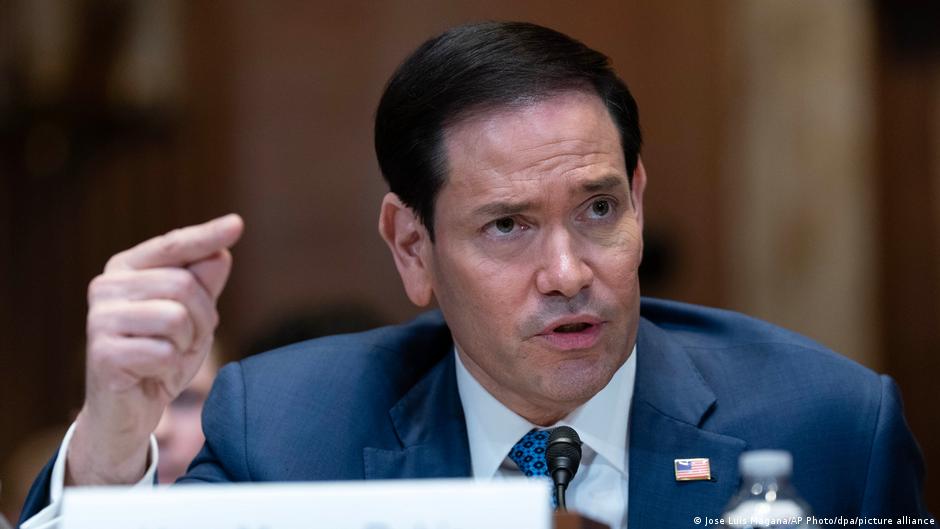
The United States government has intensified its economic campaign against Cuba by imposing sanctions on Union Cuba-Petróleo (CUPET), the island nation’s state-owned oil and gas company. Announced by Secretary of State Marco Rubio on June 11, the move reflects mounting efforts by Washington to undermine the Cuban government’s ability to fuel its economy and maintain political control.
Sanctions as a Strategic Economic Lever
CUPET has been officially added to the U.S. Treasury’s sanctions list, prohibiting American citizens and entities from conducting business with the company. Moreover, foreign persons engaging with CUPET risk secondary sanctions, widening the scope of economic isolation.
"The Cuban communist elite uses energy as a tool for social control and kleptocratic gain," Rubio stated, justifying the sanctions as a measure to disrupt the regime’s corrupt economic agenda and its repression of the Cuban people.
This sanctioning of a pivotal sector signals an evolution in U.S. policy, targeting the structural economic foundations that sustain the Cuban government. Energy resources have historically been vital for Cuba’s domestic consumption, transportation, and industrial activity, making CUPET a critical node in its economic infrastructure.
Escalation Amid Broader Political and Economic Isolation
The CUPET sanctions come shortly after Washington expanded restrictions against high-ranking Cuban officials, including President Miguel Díaz-Canel and members of the Castro family. These latest measures extend to family members, underscoring a deliberate effort to erode the ruling elite’s power base.
Raúl Castro, though no longer holding official posts, remains influential in Cuban decision-making. The U.S. has recently accused him of involvement in an act of terrorism linked to the 1996 downing of civilian aircraft. Such actions form part of a broader strategy to delegitimize Cuban leadership on the international stage.
Historical Context and Structural Consequences
Since the imposition of a comprehensive embargo in 1962, Cuba has faced escalating economic hardships exacerbated by geopolitical dynamics and the collapse of Soviet support in the early 1990s. Presently, the island confronts its most acute crisis since that period, characterized by widespread fuel shortages and energy blackouts.
The recent severing of Venezuelan oil supplies—once Cuba’s main source of petroleum—has deepened this crisis. After the U.S. captured Venezuelan President Nicolás Maduro earlier this year and pressured Caracas to halt shipments, Cuba’s already fragile energy security deteriorated sharply.
This multifaceted economic squeeze reflects a calculated U.S. attempt to weaken the Cuban regime by targeting its vital lifelines. However, the long-term implications may be more complex, potentially destabilizing the Cuban economy while risking humanitarian fallout.
Implications for Future US-Cuba Relations
Relations between Washington and Havana have been fraught for decades, but recent rhetoric and actions indicate a hardening stance by the U.S. The Trump administration has previously threatened direct intervention, escalating concerns about potential conflict.
Meanwhile, the Cuban government accuses the U.S. of seeking pretexts for military aggression, framing the sanctions as part of a broader campaign of economic warfare. The targeting of critical energy infrastructure and the ruling elite aims to pressure Cuba toward political concessions, though the efficacy and consequences of this strategy remain uncertain.
As the U.S. tightens the economic noose, Cuba faces a critical juncture. The island’s resilience in the face of sustained external pressure will depend on its ability to navigate structural vulnerabilities while managing internal socio-political tensions.