US Launches 11th Consecutive Night of Strikes on Iran Amid Rising Middle East Tensions
Sustained US attacks target Iranian military infrastructure aiming to disrupt threats to Gulf shipping amid escalating regional conflict.
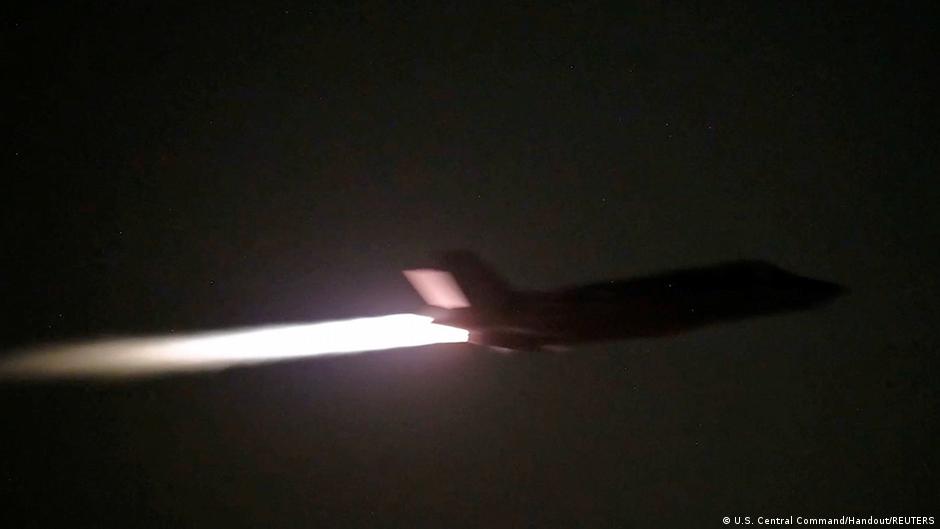
For the eleventh consecutive night, the United States military has carried out a series of coordinated strikes against multiple targets across Iran. The latest wave of attacks, which lasted approximately 75 minutes, was announced by the US Central Command (CENTCOM) on the evening of July 21 (Eastern Time), marking a significant escalation in the ongoing hostilities between the two countries.
Strategic and Economic Implications of the Military Escalation
According to CENTCOM, the strikes focused on Iranian military operational centers, naval forces, aviation hangars, unmanned aerial vehicle (UAV) storage facilities, and logistical infrastructure. The stated objective is to degrade Iran's capability to threaten commercial shipping through the strategically vital Strait of Hormuz, a maritime chokepoint through which a substantial share of global oil exports transit.
"For the last three months, Iran has attacked over 30 commercial vessels passing through the Strait of Hormuz," CENTCOM reported, emphasizing the importance of maintaining open and secure shipping lanes critical to the global energy markets.
The Central Command also highlighted that despite Iranian aggression, the Strait remains operational for commercial traffic. Since early May, CENTCOM has facilitated the passage of approximately 900 commercial vessels, including the transportation of an estimated 450 million barrels of crude oil. However, data from the London Stock Exchange indicates a notable reduction in vessel traffic through the Strait, with only four ships recorded on July 19 and eight on July 18, suggesting a cautious approach by maritime operators amid rising risks.
The ongoing strikes must be contextualized within a broader pattern of tit-for-tat military actions. In the past day alone, Iran launched missile and drone attacks on Camp Arifjan in Kuwait, a key base for US forces in the region. Kuwaiti authorities reported intercepting these projectiles through their air defense systems, though Iranian sources claimed a "sixth wave" of their own offensive operations, including assaults on American military installations in Kuwait and Bahrain. Independent verification of these claims remains unavailable.
These confrontations followed Iran's own missile and drone strikes in the Persian Gulf region on July 20, said to be retaliatory measures against prior US attacks. Concurrently, countries such as Kuwait and Jordan reported rocket and UAV attacks, underscoring the widening scope of conflict beyond Iran-US direct confrontations.
The escalation traces back to mid-July when Iran announced the annulment of a tentative framework ceasefire agreement established in June with Washington — an accord intended to pave the way for a comprehensive peace settlement within 60 days. The collapse of this truce signals a return to active hostilities and complicates prospects for diplomatic resolution.
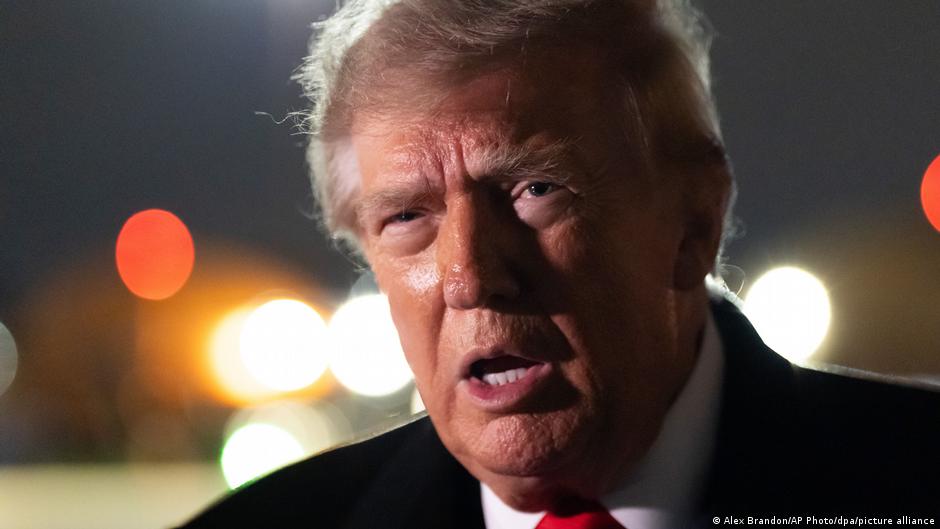
In response to continued Iranian provocations, US President Donald Trump issued a stern warning on July 21 through his social media platform, pledging "multiple-fold" retaliation for any American military casualties. "Every time Iran kills an American soldier, it will pay multiple times over," he declared, instructing Defense Secretary Pete Hegseth to implement this directive.
Since the renewal of hostilities, CENTCOM has confirmed the deaths of three US military personnel, bringing total American fatalities since the conflict's outbreak in late February to 17. These losses underscore the human cost inherent in the ongoing conflict and raise questions about the sustainability of military engagement in the region.
Historical Parallels and Structural Consequences
The prolonged sequence of nightly strikes by the United States against Iranian targets recalls earlier periods of sustained tit-for-tat military engagements in the Middle East, such as the Iran-Iraq War’s protracted artillery duels or the US air campaigns during the Gulf War era. However, this current phase is distinguished by its direct targeting of Iranian military and logistical infrastructure aimed at constraining not only military capabilities but also economic avenues tied to oil exports and global maritime trade.
The strategic significance of the Strait of Hormuz cannot be overstated. Approximately 20% of the world’s petroleum passes through this narrow corridor, and any sustained disruption threatens to ripple through global energy markets, potentially exacerbating price volatility and economic uncertainties worldwide. The military confrontations thus have ramifications that extend beyond immediate regional security concerns to global economic stability.
Moreover, the erosion of diplomatic frameworks—such as the recently collapsed ceasefire—illustrates the fragility of peace efforts in a region marked by entrenched geopolitical rivalries and competing interests. The return to open hostilities risks entrenching a conflict that could deter foreign investment, impede reconstruction efforts in the wider Middle East, and alter the energy export landscape fundamentally.
As this confrontation unfolds, the international community faces critical decisions in balancing efforts to de-escalate tensions with the imperative to secure vital trade routes and energy supplies. The US-led military campaign against Iran reflects a broader strategic calculus that intertwines military pressure with economic containment strategies aimed at reshaping Iran's regional influence and curbing destabilizing activities.