US Launches New Strikes on Iran Amid Escalation in Strait of Hormuz Tensions
Washington targets Iranian military assets to disrupt attacks on commercial shipping in the strategic Strait of Hormuz.
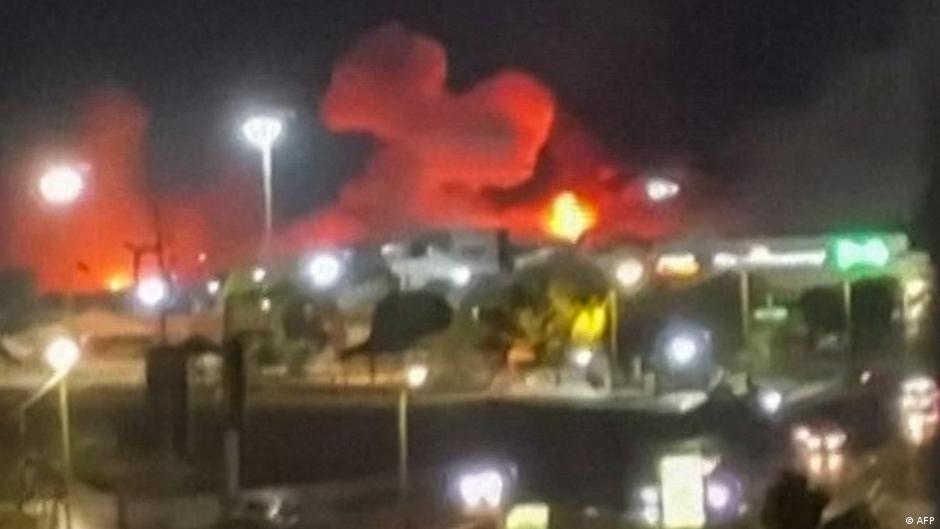
The United States military announced a fresh wave of strikes against Iranian targets aimed at undermining Tehran's ability to attack civilian and commercial vessels transiting the Strait of Hormuz, a key maritime chokepoint. These actions come amid escalating hostilities that threaten global energy security and regional stability.
Escalation in the Strait of Hormuz: Strategic and Economic Implications
On the night of July 13, the U.S. Central Command (CENTCOM) reported conducting strikes targeting approximately 140 Iranian military sites, including missile depots, drone storage facilities, and communication nodes. The strikes followed an earlier attack on the container ship GFS Galaxy by Iran's Islamic Revolutionary Guard Corps (IRGC), which Tehran claimed involved warning shots against the vessel for deviating from Iranian-designated routes.
The Strait of Hormuz remains a critical artery for global oil trade, with around 20% of the world's petroleum passing through this narrow waterway. Iran's IRGC has declared the strait "closed until further notice and until American interventions cease," threatening to disrupt international maritime commerce. However, the U.S. military and President Donald Trump have denied Iran's claim of control over the strait, affirming that shipping continues unabated.
"Iran does not control the strait. Shipping continues," stated CENTCOM, underscoring ongoing tensions over navigational freedom in this strategic corridor.
The recent strikes and retaliatory actions must be viewed through the lens of a broader geopolitical contest, where both Washington and Tehran seek to assert influence over the Persian Gulf region. On July 12, Iran responded to the U.S. strikes by targeting American military bases in Gulf countries including Qatar and Oman, signaling an intensification of proxy confrontations and highlighting the risk of wider regional conflict.
These military exchanges have not only heightened security concerns but also have significant economic ramifications. Disruptions in the Strait of Hormuz can lead to volatility in global oil markets due to fears of supply interruptions. Such volatility can affect inflation, trade balances, and economic growth worldwide, particularly for energy-importing nations.
Efforts to establish a framework for peaceful management of the strait have faced setbacks. A tentative agreement signed on June 17 intended to halt hostilities and secure free navigation, but recurrent Iranian attacks on commercial vessels and reciprocal U.S. military actions have eroded trust and undermined the pact's effectiveness.
Further complicating the situation are internal Iranian dynamics. Reports from closed-door talks indicate Tehran attributes some attacks to "uncontrolled elements within their system," suggesting fragmentation within Iranian political and military hierarchies. Meanwhile, Washington remains skeptical about Iran's commitment to de-escalation, with President Trump publicly repudiating the memorandum of understanding and renewing sanctions.
The Strait of Hormuz crisis exemplifies the complex interplay of military strategy, economic interests, and diplomacy in one of the world's most vital maritime routes. Sustained instability threatens not only regional security but also global economic stability, underscoring the need for renewed dialogue and effective conflict management mechanisms.