Steinmeier Calls for Europe to Confront Ruthless Policies of Russia and the US Amid Rising Political Extremism
The German president warns against emulating great powers’ lawless tactics, urging Europe to uphold international order and address economic reforms.
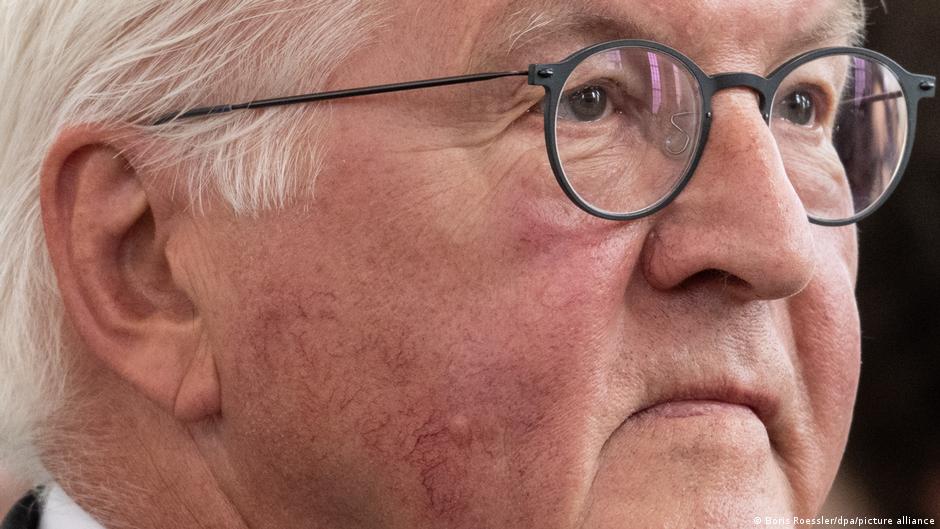
In a pivotal summer interview, German President Frank-Walter Steinmeier outlined the challenges Europe faces from what he terms a "new spirit of ruthlessness" advancing from Russia and the United States. His comments, aired on July 12 by the ZDF television network, come at a time of geopolitical upheaval and rising political extremism within parts of Germany, notably the surge in support for the far-right Alternative for Germany (AfD) party.
Refusing to Mirror Great Powers’ Lawlessness
Steinmeier described the post-2022 global landscape as undergoing a "double epochal break" initiated first by Russia's invasion of Ukraine and subsequently by a shift in values in the United States. He highlighted that these two events have ushered in a form of international relations where Moscow and Washington increasingly act without regard for law or established norms, sometimes even benefiting in the short term from such behavior.
"We cannot do that. We need an international order, we need law and rules," Steinmeier asserted, emphasizing that Europe must resist adopting the power politics tactics of these great powers.
This stance signals a call for Europe to champion a rules-based international order that prioritizes cooperation and legal frameworks over unilateral actions and zero-sum geopolitics. Steinmeier did not directly name then-US President Donald Trump but alluded to a need for a pragmatic approach in transatlantic relations, suggesting a nuanced policy balancing partnership and European autonomy.
Economic Reforms as a Foundation for Renewal
Domestically, Steinmeier welcomed the comprehensive social reforms introduced by Chancellor Friedrich Merz's governing coalition on July 2. He described these initiatives as "something important," underscoring their potential to stimulate economic growth—a critical factor for restoring public trust in the government.
"Without economic growth, the current government will not regain respect and confidence," Steinmeier noted, urging patience and perseverance in implementing these reforms. His remarks reflect broader concerns about Germany's economic trajectory amid global uncertainties and internal structural challenges.
Rising Political Extremism and Electoral Challenges
The interview also tackled the political repercussions of societal shifts, especially the rising prominence of the far-right AfD in eastern Germany. Ahead of the September elections to the Saxony-Anhalt state parliament, the AfD leads in opinion polls—alarming many observers.
Steinmeier cautioned against equating polls with final outcomes, stating, "Polls are not yet election results," and expressed hope that centrist parties would mobilize to prevent extremists from obtaining an absolute majority. He contextualized Saxony-Anhalt’s electorate as constituting only about 3% of Germany’s eligible voters but stressed the significance of this trend, particularly with upcoming regional elections in Berlin and Mecklenburg-Western Pomerania.
"These are three crucial state elections," Steinmeier said, framing them as a referendum on the preservation of Germany’s democratic system. His comments underscore the structural risks posed by political fragmentation and extremism to democratic governance.
Historical and Structural Implications
Steinmeier’s reflections resonate beyond Germany, touching on the broader European project’s resilience amid geopolitical turbulences and internal divisions. The juxtaposition of external challenges—namely, the assertiveness of Russia and the strategic recalibrations of the United States—and internal economic and political dynamics illustrates a historic crossroads for Europe.
Europe’s insistence on an international order based on law and cooperation is a deliberate rebuttal to the return of realpolitik and unilateralism reminiscent of earlier 20th-century conflicts. Concurrently, Germany’s domestic reforms and electoral landscape reveal structural pressures from globalization, social inequality, and political polarization that could reshape the continent’s socio-economic fabric.
As Steinmeier advises, the success of reforms and democratic resilience depends on collective European responses that integrate pragmatic policy, social cohesion, and principled diplomacy.