US Launches Unprecedented Economic Sanctions Campaign Against Iran
President Trump declares a sweeping economic war aiming to isolate Iran and deter global partners from engagement.
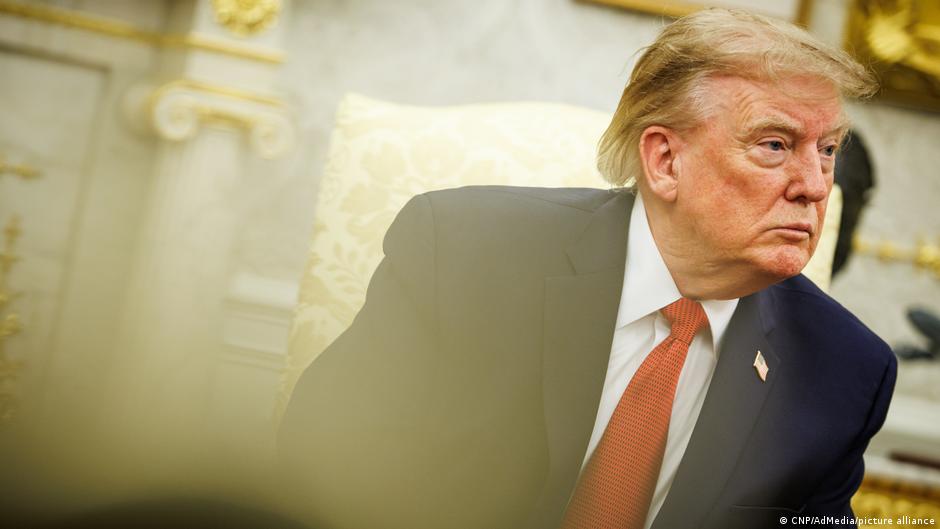
On August 20, 2020, President Donald Trump formally announced an extensive economic offensive against Iran, describing it as the "most crushing economic operation ever conducted against any country." This declaration signals a dramatic intensification of US efforts to curb Iran's economic activities and isolate it internationally.
Strategic Economic Pressure as a Foreign Policy Tool
Trump's announcement, delivered via his social media platform Truth Social, emphasized that the operation constitutes an unprecedented economic war and isolation campaign. He warned that countries continuing to support Iran or engage in business with Tehran would face "massive" sanctions. This effort seeks to solidify support from US allies to sever Iran’s economic lifelines and diminish its regional influence.
"We need the support of all our allies to isolate and defeat the Iranian threat," Trump stated, underscoring the geopolitical stakes tied to economic measures.
Historically, the US has deployed sanctions as a core component of its Iran policy, targeting vital sectors such as oil exports, shipping, and finance. Since earlier efforts culminated in significant sanctions that drastically reduced Iran’s export revenues, this latest move appears to escalate the pressure campaign under the banner of "Economic Fury," an operation publicly announced in April 2020.
The comprehensive scope implies a near-total freeze on trade, commercial exchanges, and financial transactions with Iran until further notice. Notably, the United Arab Emirates, an economic hub in the Gulf, has already suspended all trade with Iran as of August 18. This move followed accusations by the UAE that Iran launched two missiles targeting its maritime shipping routes—a claim Tehran has denied.
Such economic warfare reflects broader strategic aims within US foreign policy: to debilitate Iran’s capacity to fund activities deemed destabilizing while signaling resolve to regional adversaries. However, the ramifications extend beyond immediate geopolitics, influencing global energy markets, regional trade flows, and the economic stability of Gulf states that serve as intermediaries.
The deepening economic isolation of Iran also invites comparisons with other protracted sanction regimes, illustrating the complexities and unintended consequences of such strategies. For instance, while sanctions can curtail state revenues, they may also incentivize alternative economic partnerships, illicit trade networks, or domestic resilience measures that offset intended effects.
In sum, Trump’s declaration marks a pivotal escalation in the use of economic instruments as tools of statecraft in the Middle East. The success and consequences of this approach will likely shape US-Iran relations and regional economic dynamics for years to come.