Trump Signs Graham Sanctions Law Targeting Russia’s Energy Revenue
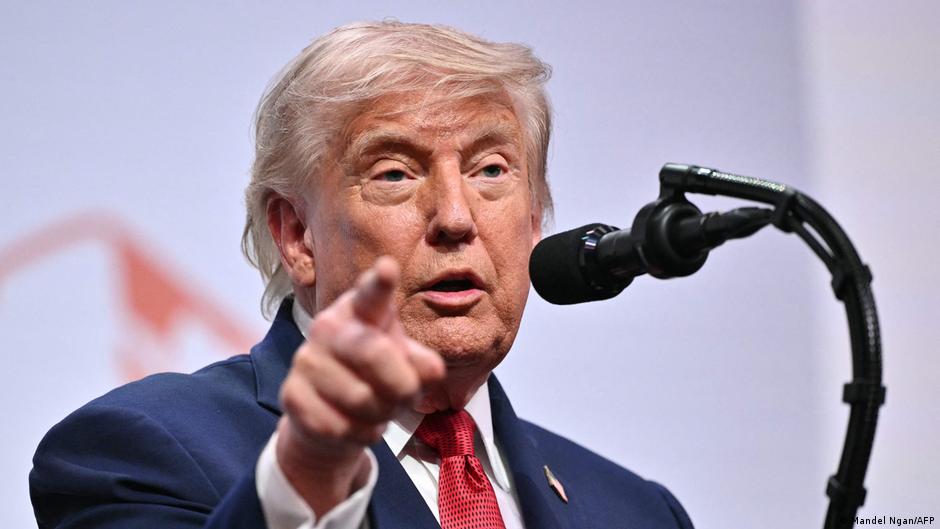
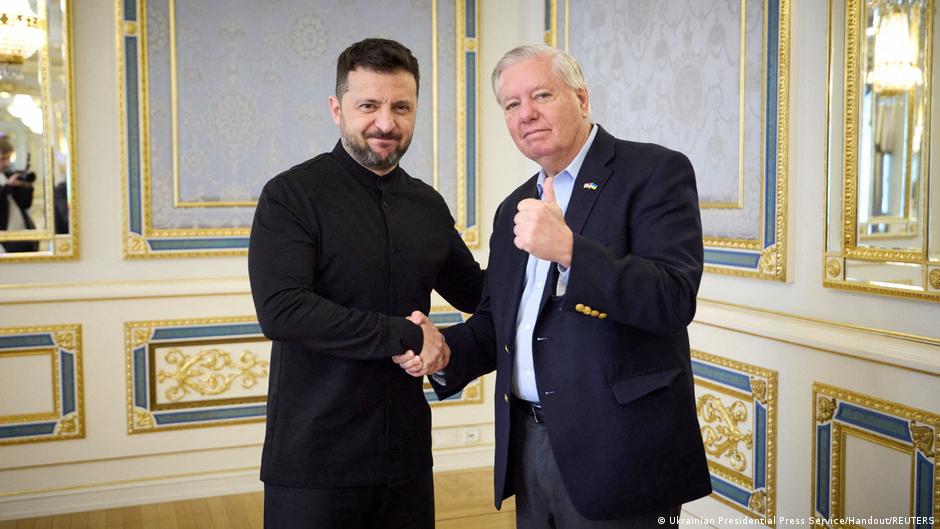
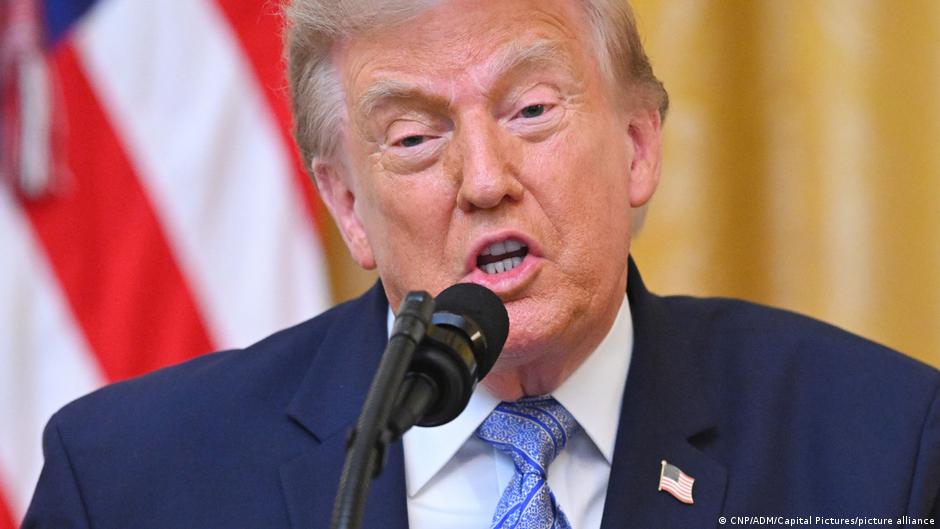
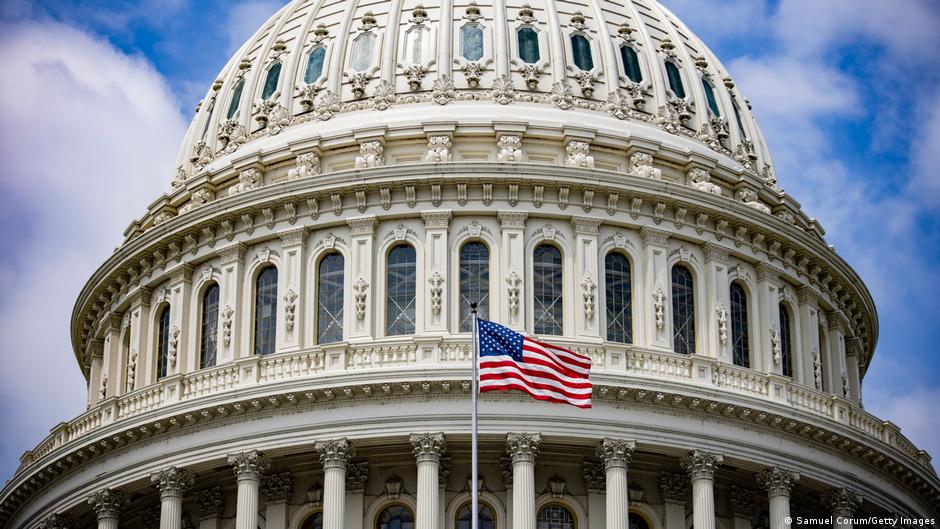
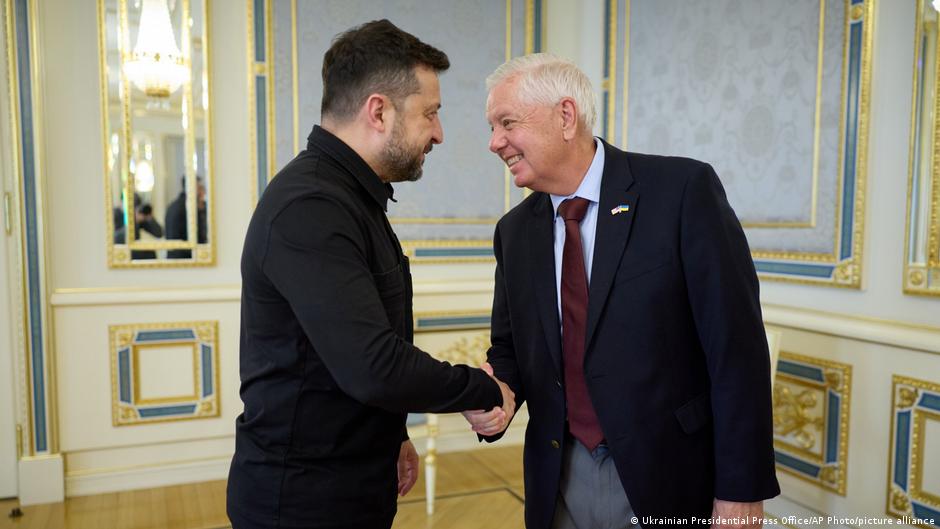
Trump signed the Graham sanctions law, giving him broad authority to target Russian energy buyers, banks, officials and sanctions evasion networks.

Trump signed the Graham sanctions law, giving him broad authority to target Russian energy buyers, banks, officials and sanctions evasion networks.

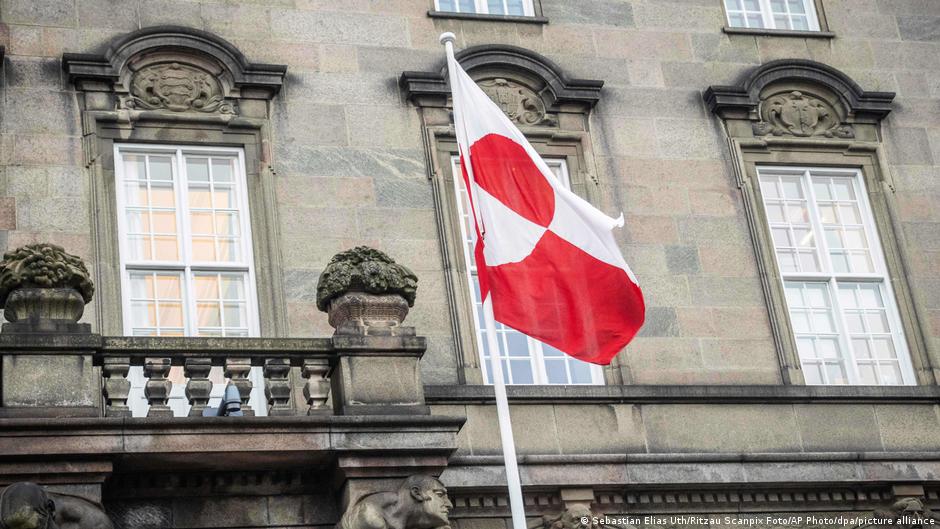
The Greenland arrangement could reshape Arctic security, investment screening and resource access while leaving key legal details unresolved.

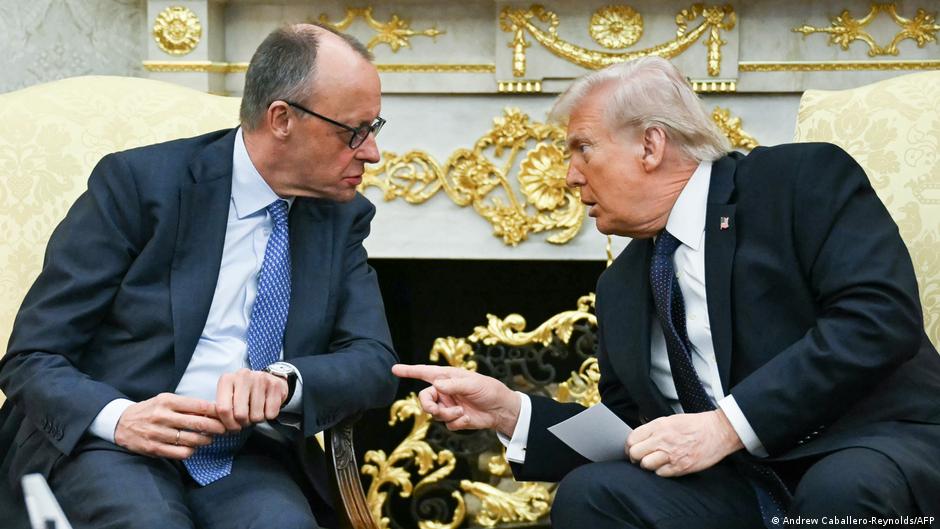
Merz says unconditional transatlantic friendship is over, framing U.S. tensions as a test of Germany’s security and economic model.

Trump warned the EU of steep tariffs or a trade halt if its proposed associate partnership with Canada is deemed hostile to Washington.

The House advanced a bill allowing Trump to impose 100% tariffs on major buyers of Russian energy, setting up a full vote this week.

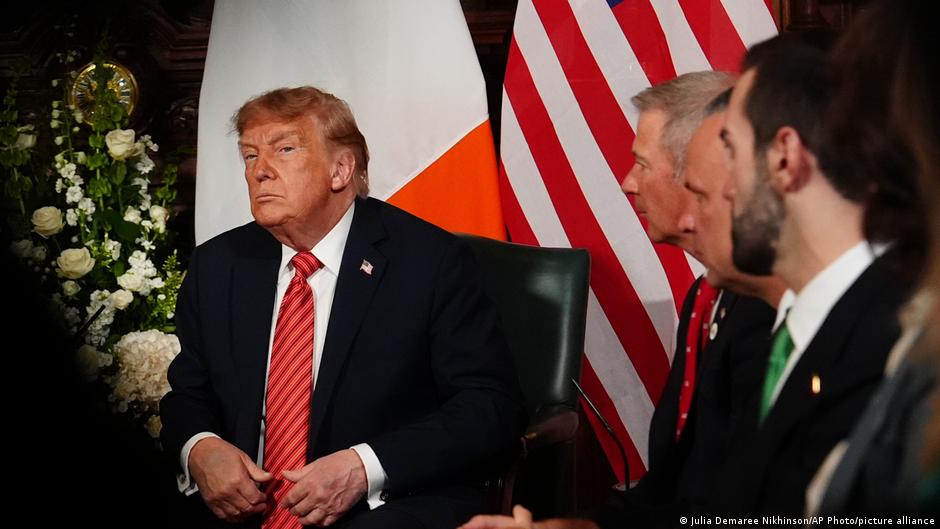
Trump said the United States will remove a 10 percent tariff on Irish whiskey, a move welcomed by Ireland’s whiskey industry.

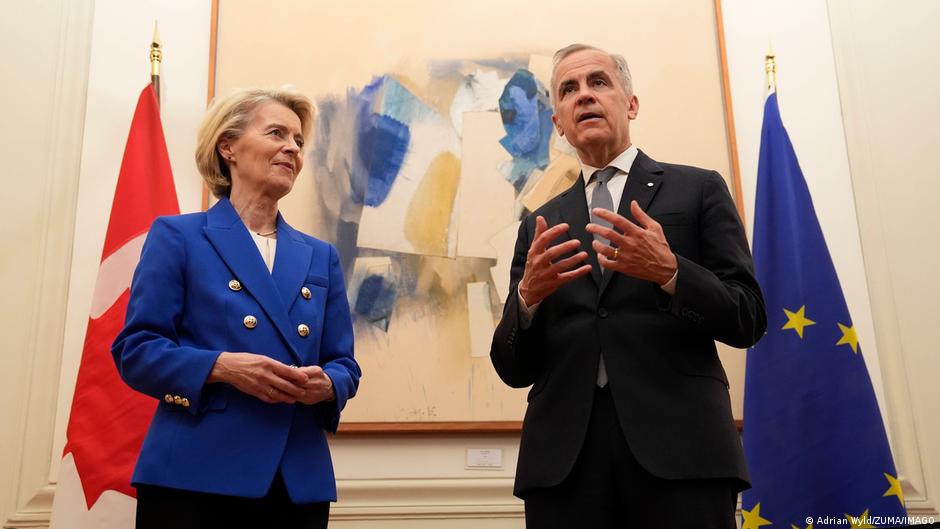
Canada is negotiating to join the EU’s €90 billion Ukraine loan as Ottawa seeks deeper European ties and less reliance on the U.S.

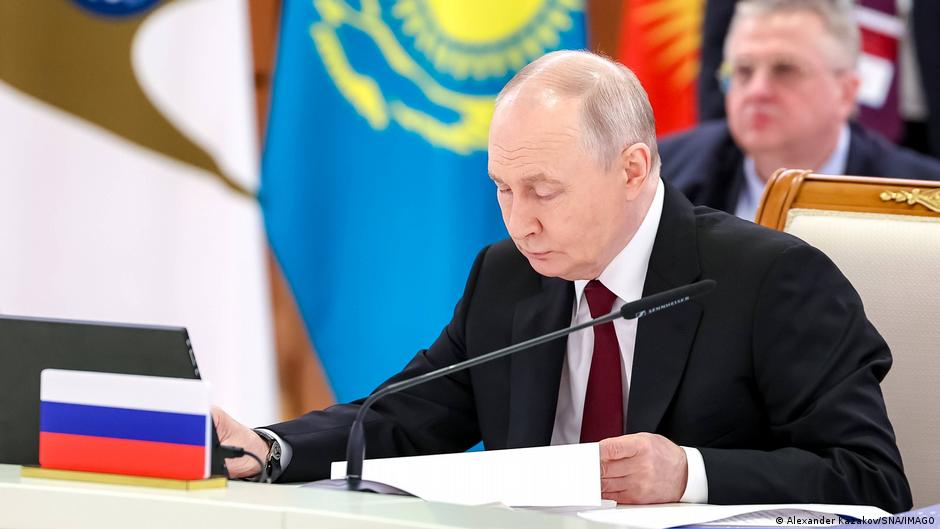
Putin says Armenia’s move toward EU membership would effectively mean quitting the EAEU, deepening a dispute over trade rules, integration and regional influence.

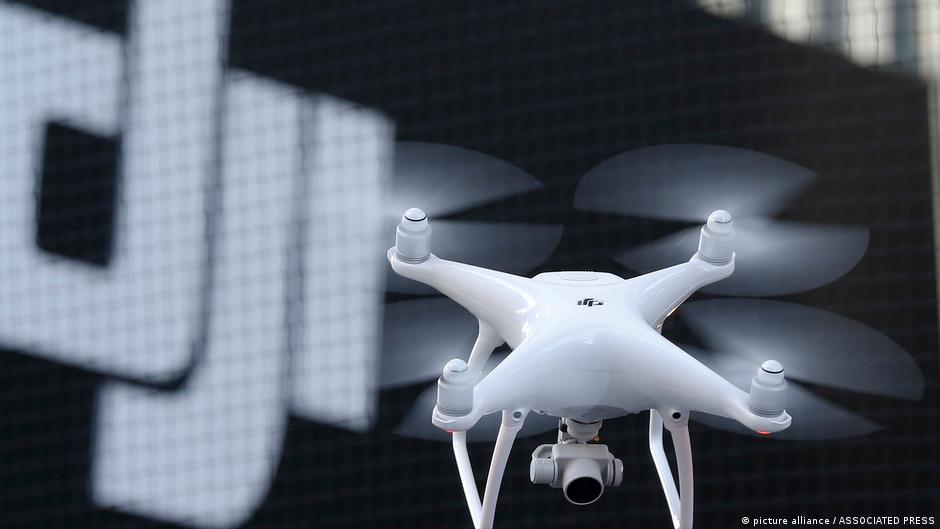
The US imposes tariffs up to 100% on imported drones over 25 kg with thermal imaging, aiming to reduce reliance on foreign suppliers amid national security concerns.

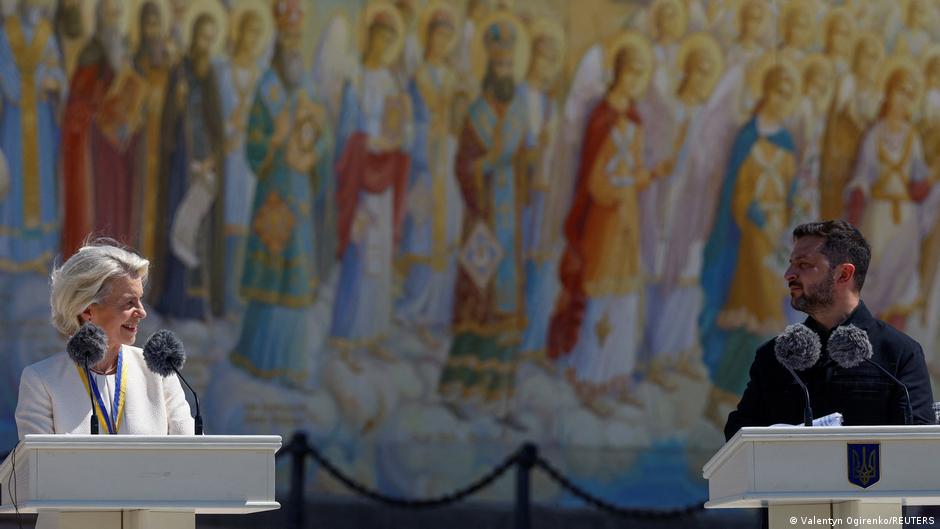
The US Senate has approved a broad sanctions package targeting Russia’s economy, with strong support from the EU and Ukraine to intensify pressure amid ongoing conflict.
Uzbekistan advances its digital transformation with plans for a national navigation system, unified public administration platform, and expanded IT sector incentives.

The U.S. Senate advances the Graham Sanctions bill to impose steep tariffs on Russia and its energy partners, signaling a strategic intensification of economic pressure.

The US has introduced new 50% tariffs on Canadian goods, escalating trade tensions and challenging the USMCA agreement with significant economic implications for both countries.

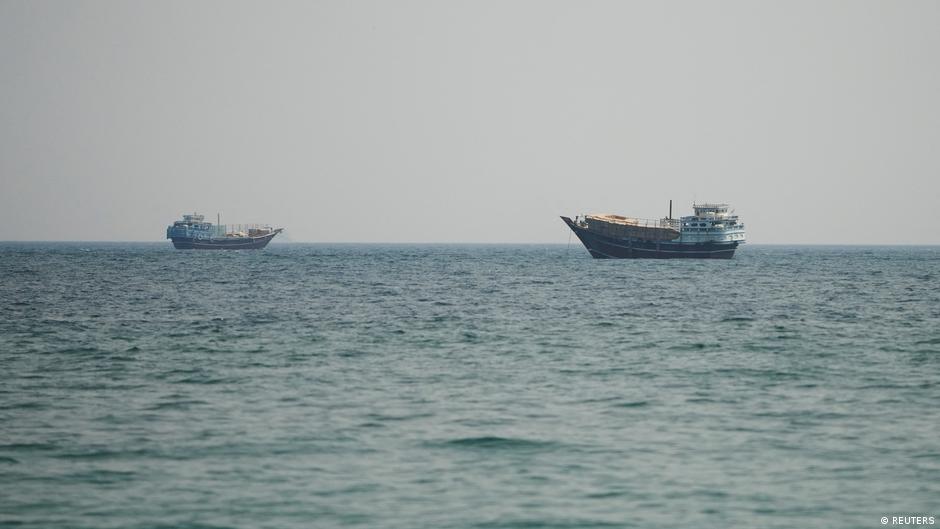
The US is pursuing the revival of an Iraq-Syria oil pipeline to bypass the Strait of Hormuz, aiming to reduce Iran's influence and enhance global energy security amid regional tensions.

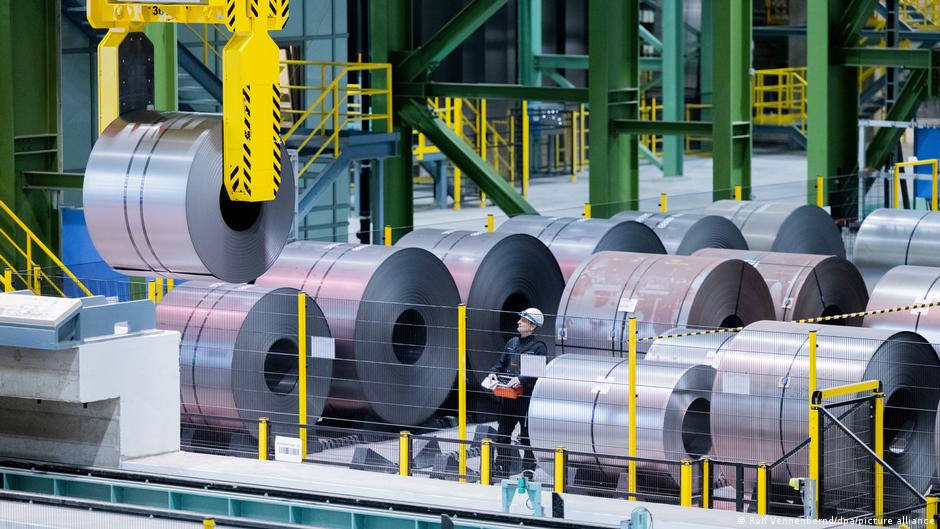
The EU tightens steel import regulations, cutting duty-free quotas by 47% and imposing a 50% tariff on excess imports to protect domestic industry from cheap steel flooding.

The US House approved a bill expanding military aid to Ukraine and increasing sanctions on Russia, pending Senate consent amid partisan debates and potential presidential veto.

Russia warns Armenia of increased tariffs and economic restrictions if it leaves the Eurasian Economic Union amid rising geopolitical tensions and EU rapprochement.

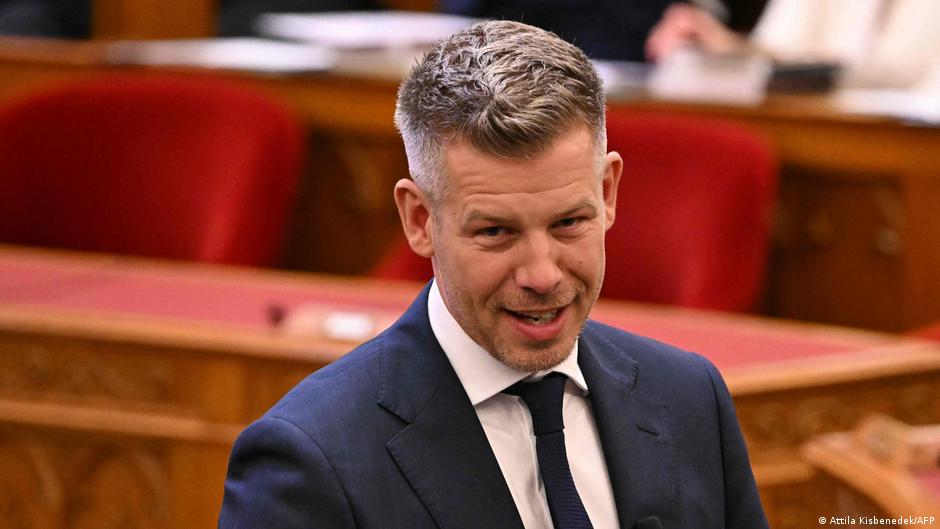
Hungary reinstates a ban on Ukrainian agricultural imports to protect domestic farmers and reverses its withdrawal from the International Criminal Court, highlighting economic and political recalibrations.

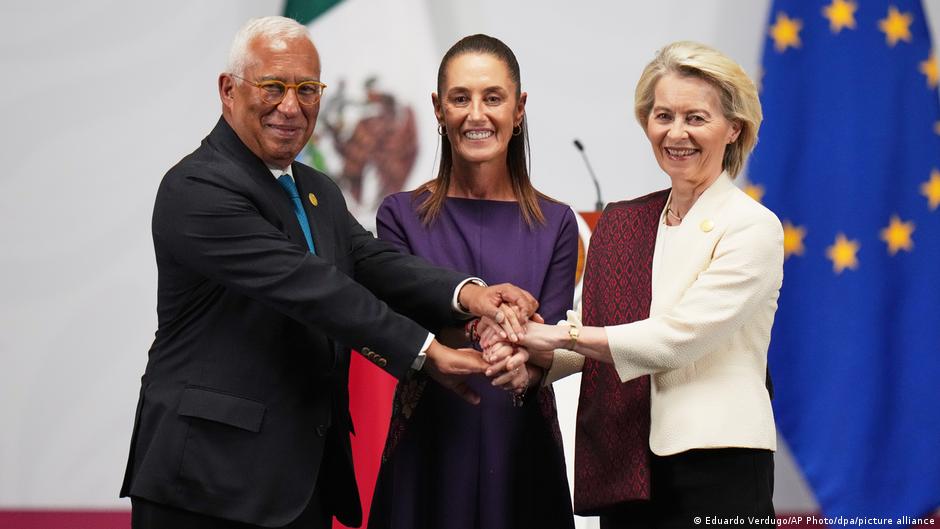
The EU and Mexico finalize a decade-long trade agreement eliminating most tariffs and reducing barriers, aiming to boost exports and investment amid shifting global trade dynamics.

Following high-level talks, China signals renewed interest in purchasing U.S. oil and soybeans, highlighting evolving trade ties and potential geopolitical shifts involving Iran.

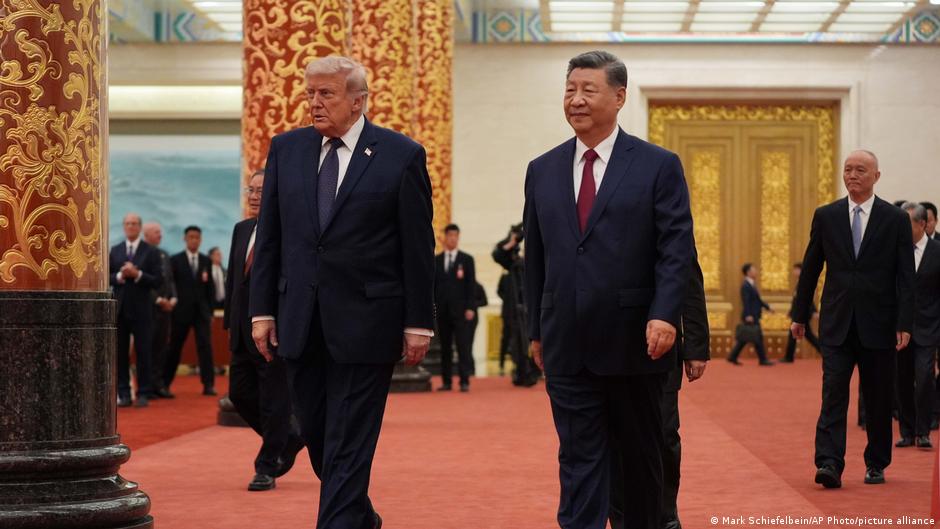
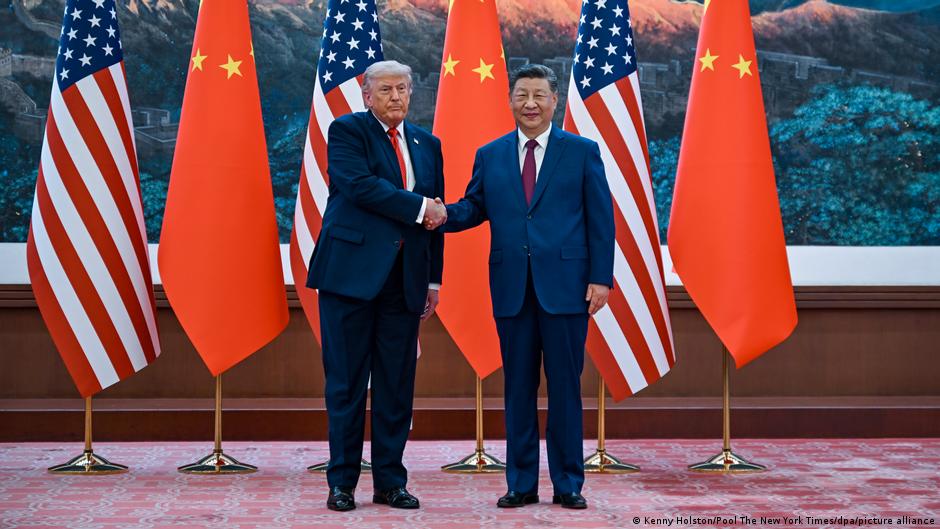
Donald Trump and Xi Jinping met in Beijing to discuss key issues including Iran’s blockade of the Strait of Hormuz and ongoing trade disputes, signaling a potential recalibration of Sino-American relations.

The US delays raising tariffs on EU cars until July 4, awaiting compliance with a major 2025 trade agreement, underscoring ongoing transatlantic trade tensions.

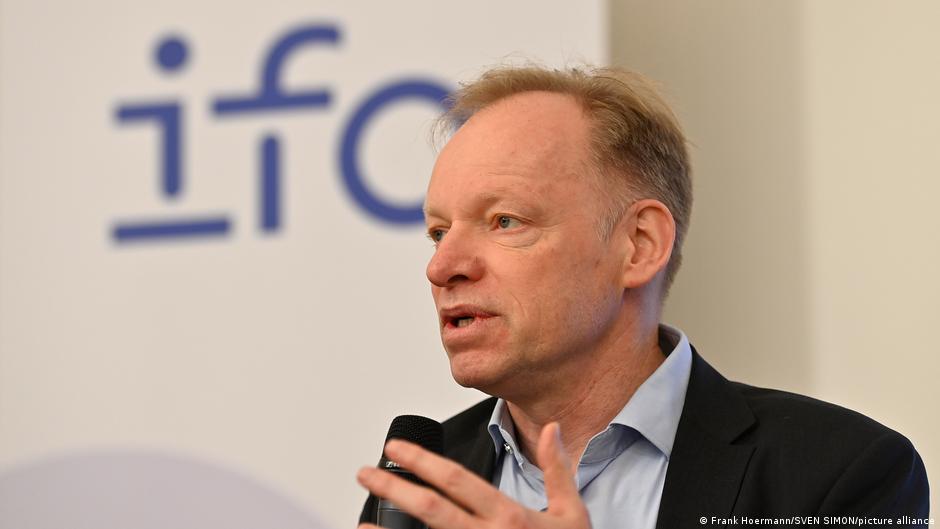
The ifo Institute warns that US tariffs on EU cars and possible EU retaliation could plunge Germany into recession by 2026, threatening its critical automotive sector amid escalating trade tensions.

The EU-Mercosur free trade agreement begins temporarily, promising industrial growth amid legal and environmental challenges within the European Union.

The Central Bank holds the key interest rate at 14%, citing ongoing food price inflation and external economic risks despite a general decline in inflation.