US Lifts Blockade of Strait of Hormuz, Paving Way for Renewed Iran Oil Exports
Following a presidential order, the US ends its naval blockade of the Strait of Hormuz amid tentative US-Iran negotiations.
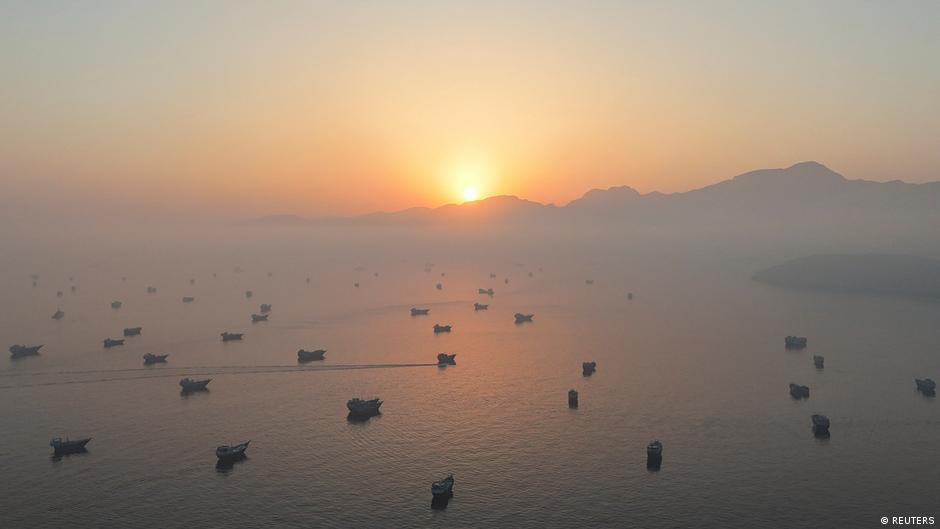
The United States announced the lifting of its naval blockade of the Strait of Hormuz, a critical maritime chokepoint through which a significant portion of the world’s oil trade passes. The move, executed under the directive of former President Donald Trump, was confirmed by the US Central Command (CENTCOM) on June 18. This marks a pivotal shift in US-Iran relations and signals a potential easing of tensions in a geopolitically sensitive region.
Strategic and Economic Implications of the Blockade Lift
According to CENTCOM, the US will no longer impede vessels entering or leaving Iranian ports, effectively terminating all military actions associated with enforcing the blockade. While powerful US naval assets remain deployed in the adjacent waters to ensure compliance with the new terms, the cessation of active obstruction allows for the resumption of commercial shipping routes critical to global energy markets.
"All US military actions to enforce the blockade have ceased, but naval forces will remain to guarantee full adherence to the agreement," CENTCOM stated.
The announcement coincided with a record transit volume through the Strait of Hormuz in the past 24 hours: 12.5 million barrels of oil shipped, the highest figure since the outbreak of hostilities involving the US, Israel, and Iran on February 28. This resurgence underscores the strategic importance of the Strait and its impact on global oil supply chains.
US Vice President David James Vance highlighted that Iranian forces refrained from attacking any vessels for the second consecutive night, signaling a de-escalation in hostilities. This de-escalation follows the remote signing of a memorandum of understanding between Washington and Tehran, initiating a 60-day negotiation window aimed at formalizing a comprehensive peace agreement.
From Hostility to Negotiation: Contextualizing the Shift
Originally scheduled for an in-person signing in Switzerland on July 19, the memorandum's expedited execution reflects a mutual interest in restoring maritime commerce and reducing regional tensions. Key figures leading the negotiation include US Vice President Vance and Iranian Parliament Speaker Mohammad Bagher Ghalibaf, with their meeting still planned despite the accelerated timeline.
The memorandum details 14 substantive points including an immediate ceasefire on all fronts, cessation of the maritime blockade, and resumption of shipping through the Strait of Hormuz. It also encompasses the lifting of US oil sanctions on Iran and the withdrawal of American forces from areas surrounding the Islamic Republic. These measures represent significant structural changes in the US-Iran geopolitical landscape.
Economically, the agreement commits to unlocking substantial financial resources for Iran’s reconstruction. This includes a private investment fund allocation of $300 billion, unfreezing of $24 billion in Iranian assets, and a 60-day period for concluding a final accord on Iran’s nuclear program. Tehran has pledged not to develop nuclear weapons during this negotiation phase, addressing longstanding international security concerns.
Historical Parallels and Future Prospects
This development recalls previous episodes where strategic chokepoints like the Strait of Hormuz have been flashpoints for global energy security. The US blockade echoes Cold War-era maritime interdictions that shaped global power dynamics through control of vital supply routes. However, unlike past confrontations, the current approach integrates diplomatic negotiation mechanisms alongside military presence, suggesting a more nuanced balance of power.
The economic consequences of reopening the Strait could be profound. Iran’s reintegration into global oil markets may increase supply, potentially stabilizing or lowering oil prices after periods of volatility induced by geopolitical risk premiums. Additionally, the inflow of investment funds signals confidence in Iran’s economic recovery and may incentivize broader regional economic cooperation.
Nevertheless, the durability of this détente will depend on the successful conclusion of nuclear and security negotiations. The 60-day timeframe is ambitious, and unresolved tensions or external pressures could jeopardize progress. Yet, the lifting of the blockade sets a precedent for conflict resolution through diplomacy reinforced by strategic military positioning.
As the global economy remains sensitive to energy supply disruptions, the reestablishment of secure shipping lanes in the Strait of Hormuz presents a cautiously optimistic scenario for international markets and regional stability.