US Military Deaths in Conflict with Iran Rise to 17 Amid Escalating Tensions in Iraq
Seventeenth US soldier dies during controlled detonation of unexploded Iranian ordnance in northern Iraq, marking a deepening US-Iran military confrontation.
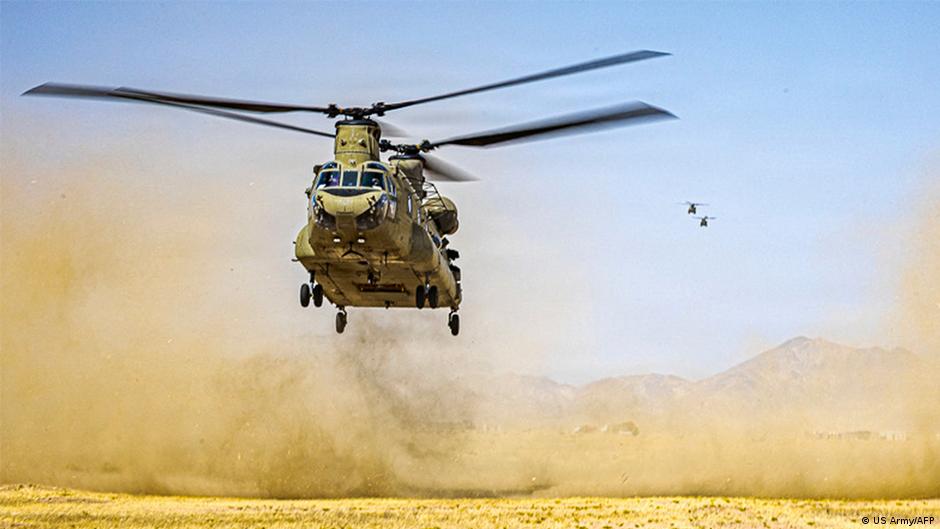
The number of US military casualties in the ongoing conflict with Iran has risen to 17 following the death of an American soldier on July 18 during a controlled detonation of unexploded Iranian munitions in northern Iraq, according to US Central Command (CENTCOM).
This incident highlights the increasing complexity and dangers faced by US forces operating in the region, as Iran continues to deploy unmanned aerial vehicles and ordnance that pose persistent risks even after initial engagements.
Recent Developments and Military Escalation
Earlier, CENTCOM reported the deaths of two US servicemembers due to an Iranian missile attack on a base in Jordan on July 17, with a third soldier initially listed as missing. Subsequent recovery efforts identified remains thought to be of the missing soldier, indicating the high human cost of this intensifying conflict.
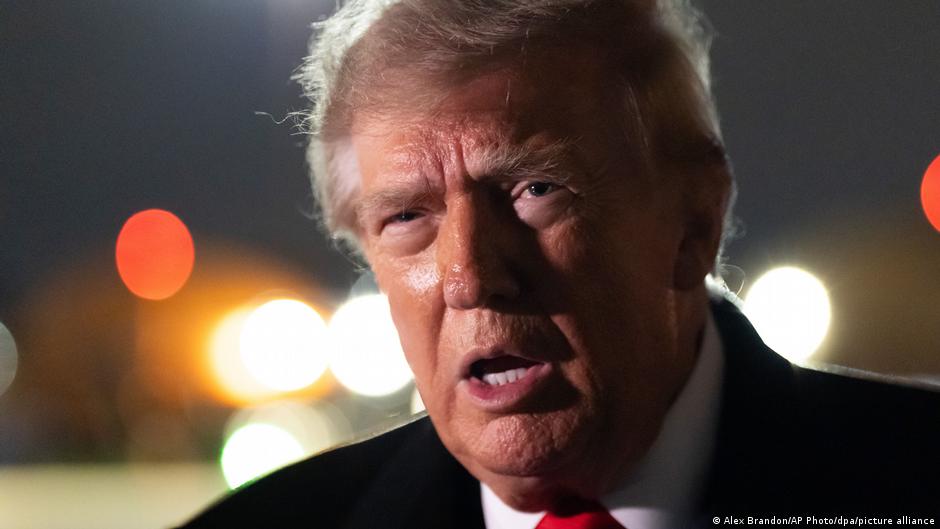
"Our primary objective remains preventing Iran from acquiring nuclear weapons," stated US President Donald Trump in an interview, emphasizing the strategic imperatives driving US actions despite the rising toll.
In response to the assaults, US forces launched additional strikes against the Islamic Revolutionary Guard Corps (IRGC) targets in Iran on July 18. CENTCOM articulated these actions as punitive measures aimed at degrading Iran's capability to threaten commercial shipping lanes in the strategically vital Strait of Hormuz.
Iran retaliated by attacking two US military bases in Kuwait, illustrating the cycle of tit-for-tat military maneuvers that risk broader regional destabilization.
Strategic Implications and Regional Security
The US military buildup includes redeploying advanced fighter jets such as F-16s from Spangdahlem Air Base in Germany and F-35s from RAF Lakenheath in the UK to the Middle East, alongside aerial refueling tankers. These moves reflect a strategic effort to enhance rapid response capabilities amid escalating hostilities.
Historically, US engagements in the Middle East have often escalated through proxy conflicts and asymmetric warfare, with significant human and economic costs. The current uptick in casualties and military activity underscores the fragile nature of regional security and the complexities of confronting state and non-state actors with overlapping interests and capabilities.
The implications extend beyond immediate military concerns. The Strait of Hormuz is a critical artery for global oil shipments, and increased Iranian threats to shipping here can ripple through global energy markets, affecting prices and economic stability worldwide.
As tensions mount, there is a growing need for nuanced diplomatic efforts to prevent further escalation. The loss of US lives and the intensified military presence highlight the challenges of balancing deterrence with engagement in a volatile regional landscape.
This evolving situation demands close monitoring, not only for its direct impact on US military personnel but also for broader economic and geopolitical consequences that may arise from prolonged conflict between the US and Iran.