US Military Strike on Vessel Enforcing Strait of Hormuz Blockade Highlights Economic and Geopolitical Risks
US forces targeted a Gambian-flagged ship heading to Iran amid ongoing naval blockade, underscoring persistent tensions and trade disruptions in the Strait of Hormuz.
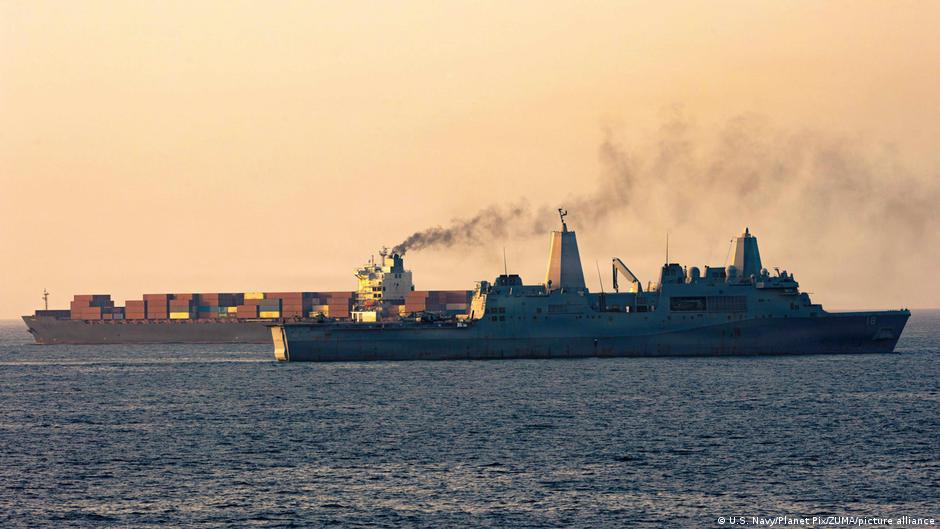
On May 30, the United States military struck a Gambian-flagged commercial vessel, Lian Star, with a Hellfire missile in the Strait of Hormuz's adjoining waters of the Gulf of Oman. According to the US Central Command (CENTCOM), the ship was en route to an Iranian port despite over 20 warnings to comply with the American-imposed blockade of the strategic waterway.
Context of the Blockade and Its Economic Implications
The US naval blockade of the Strait of Hormuz targets vessels linked to Iran, aiming to curtail Tehran's maritime trade. Since April, following a fragile ceasefire between the US and Iran, Washington has disabled five commercial ships and redirected another 116. Tehran, in turn, has blocked passage for vessels connected to the US, creating a tit-for-tat dynamic that severely disrupts one of the world's most vital oil transit chokepoints.
"The US military disabled the ship by targeting its engine room after the crew failed to heed warnings, preventing it from continuing to Iran," CENTCOM stated.
The Strait of Hormuz remains critical for global energy markets, with approximately 20% of the world's oil passing through its narrow channel. The repeated military engagements and reciprocal blockades introduce volatility and risk to global supply chains, driving up insurance costs and prompting energy price spikes.
Geopolitical Developments and Prospects for Resolution
The strike came hours after an Iranian missile attack on the US Ali Al Salem airbase in Kuwait, which reportedly caused minor injuries to five personnel and damaged two MQ-9 Reaper drones valued at roughly $30 million each. These tit-for-tat military actions underscore an ongoing escalation risk despite recent diplomatic overtures.
Recently, US and Iranian negotiators reportedly reached a preliminary framework agreement to end hostilities, though US President Donald Trump has yet to endorse it. His administration demands, notably Iran's abandonment of nuclear weapons ambitions, remain non-negotiable conditions for any final deal. Tehran maintains that a conclusive agreement to cease conflict has not yet been achieved.
Historical Parallels and Structural Economic Consequences
The current blockade and military reprisals echo past periods of heightened tension in the Strait of Hormuz, such as during the Iran-Iraq War in the 1980s and the US-Iran confrontations following the 2018 US withdrawal from the JCPOA nuclear deal. Historically, disruptions in this corridor have led to spikes in global oil prices, increased geopolitical risk premiums, and shifts in trade routes and energy sourcing.
Structurally, persistent instability threatens to incentivize diversification of energy supply chains and accelerate investments in alternative routes and renewable energy technologies to mitigate reliance on such vulnerable chokepoints. For Iran, ongoing restrictions exacerbate economic isolation, complicate oil exports, and impact domestic fiscal stability.
In sum, the latest US strike on Lian Star manifests the enduring complexity of enforcing maritime blockades in geopolitically sensitive regions, with profound implications for global energy security and economic stability. The interplay between military actions and diplomatic negotiations will be critical in shaping the future trajectory of regional and global economic relations.