US Military Strikes Iran for Ninth Consecutive Night Amid Rising Middle East Tensions
The ongoing US-Iran conflict escalates with repeated strikes and retaliatory attacks impacting regional stability and global energy markets.
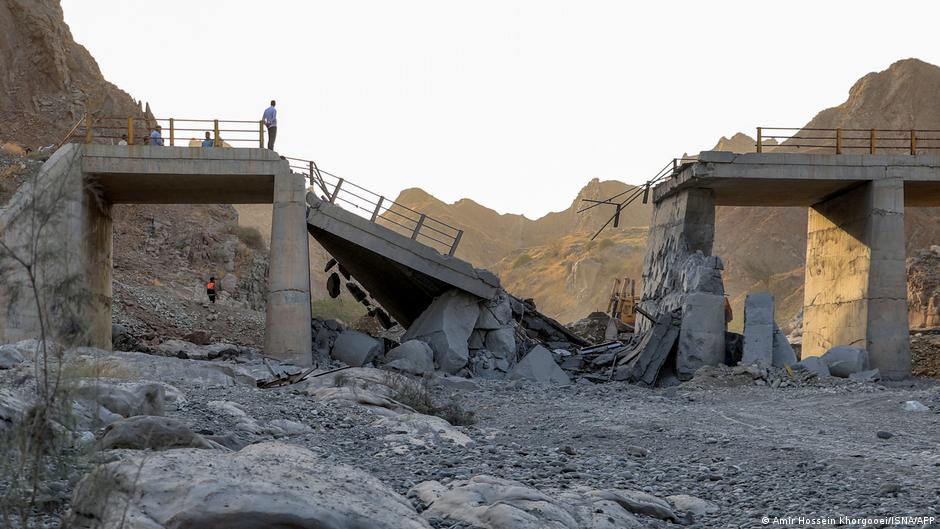
The United States military has conducted airstrikes on targets within Iran for the ninth consecutive night, marking a significant escalation in the ongoing conflict between Washington and Tehran. These operations resumed following the breakdown of a ceasefire between the two nations, with Iran responding by targeting American military installations in Kuwait and Bahrain.
Escalation of Hostilities and Strategic Implications
On July 20, US Central Command (CENTCOM) announced that air attacks on Iranian positions began at 2:30 a.m. local time. According to CENTCOM, the strikes aimed to further degrade Iran’s military capabilities, which the US alleges are being used to target commercial vessels and civilian mariners traversing the strategically vital Strait of Hormuz.
"Today, we once again delivered a very serious blow," stated then-US President Donald Trump, linking the strikes to retaliation for American military casualties sustained during the conflict with Iran.
The President’s remarks, made upon returning to Washington after the FIFA World Cup final, underscored the US administration’s framing of the strikes as a punitive response to the deaths of American service members. CENTCOM reported that since the renewed escalation, three US soldiers have been killed, raising the total death toll among US forces in the conflict to 17.
Simultaneously, Iran’s Islamic Revolutionary Guard Corps (IRGC) reported detaining two oil tankers near the Strait of Hormuz, accused of attempting unauthorized entry or exit through southern maritime routes. According to Iranian state media, the vessels subsequently exploded, although the circumstances of these incidents remain unclear.
Impact on Maritime Traffic and Energy Supply Chains
The Strait of Hormuz, a narrow passageway through which a significant volume of global oil and liquefied natural gas (LNG) shipments transit, has seen a marked reduction in commercial shipping activity amid the heightened military tensions.
Data from the London Stock Exchange indicates that on July 19, only four vessels passed through the strait, compared to eight on July 18. This downturn reflects the growing risk perception among maritime operators due to the ongoing conflict.
Despite disruptions, LNG production in neighboring Qatar and the United Arab Emirates has remained relatively stable, according to analyst firm S&P Global. Nevertheless, the volume of LNG cargoes waiting to transit the Persian Gulf has increased, with approximately 1.9 million tons of LNG currently held aboard tankers in the region, awaiting clearance to proceed.
Historical Context and Economic Ramifications
The sustained military exchanges between the US and Iran echo earlier phases of conflict that have periodically destabilized the Persian Gulf, a region critical to global energy security. The Strait of Hormuz, through which roughly 20% of the world’s petroleum passes, has historically been a flashpoint where geopolitical tensions have precipitated volatility in energy prices and supply chain disruptions.
Repeated military actions risk undermining investor confidence and posing systemic risks to global energy markets. Prolonged instability may incentivize energy importers to seek alternative supply routes or accelerate diversification efforts, potentially reshaping regional economic alignments and trade patterns.
Moreover, the ongoing conflict imposes a direct economic cost on the involved nations. For the US, sustained military operations require significant resource allocation, while Iran faces compounded challenges to its maritime commerce and oil exports, which constitute a large portion of its national revenue.
In this context, the current escalation not only heightens short-term risks to regional stability but also carries structural economic consequences that could reverberate across global markets depending on the conflict’s trajectory.