US Military Strikes Iran in Response to Downed Apache Helicopter Amid Rising Regional Tensions
Renewed US airstrikes on Iranian air defense targets reflect escalating hostilities after Tehran downed a US Apache helicopter over the Strait of Hormuz.
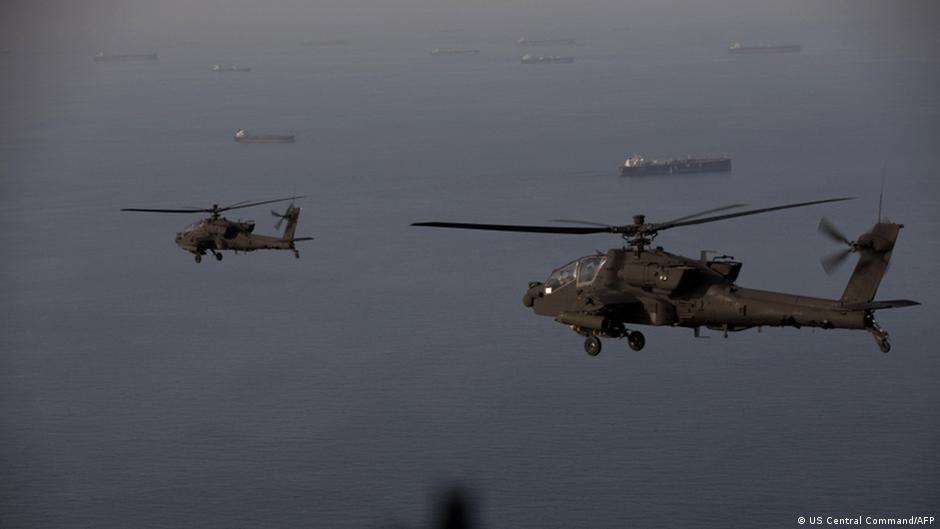
On June 9, the United States military resumed airstrikes against Iranian targets in retaliation for the downing of a US Apache attack helicopter over the strategic Strait of Hormuz. The US Central Command (CENTCOM) described the operation as a "proportional response to unwarranted Iranian aggression." This marked a significant escalation in the fragile security situation in the Persian Gulf region, where tensions have been steadily rising over recent weeks.
Strategic Context and Military Developments
The incident occurred amid a complex backdrop of proxy conflicts, missile exchanges, and diplomatic efforts. According to US sources, the Apache helicopter was downed after colliding with an Iranian drone while on a routine patrol mission. Although US officials have not confirmed whether the collision was deliberate, Iranian media reported explosions along Iran's southern coast near the Strait of Hormuz, including the cities of Sirik and Minab and the island of Qeshm.
CENTCOM reported that US strikes targeted several Iranian air defense missile systems, radar stations, and ground command posts near the strait. The operation concluded after several hours, with US officials emphasizing the precision nature of the strikes aimed at degrading Iran's military capabilities in the region.
"Our powerful armed forces will respond to every attack or threat," warned Iranian Foreign Minister Abbas Araghchi following the US strikes, signaling a readiness for further retaliation.
In response, the Islamic Revolutionary Guard Corps (IRGC) claimed to have launched missiles and drones targeting US positions in the region, further raising the risk of an expanded conflict.
Economic and Geopolitical Implications
The Strait of Hormuz is a critical chokepoint through which approximately 20% of the world's petroleum passes, making any military escalation here a potential disruptor of global energy markets. Historically, conflicts in this region have led to sharp spikes in oil prices and heightened volatility in energy-dependent economies.
The recent exchanges come despite a tentative ceasefire between Iran and Israel, brokered amid mutual hostilities involving proxy groups such as Hezbollah. On June 7, Iran launched rocket attacks against Israeli positions in Lebanon, citing Israeli airstrikes on Hezbollah strongholds as justification. Israel responded with air raids on Iranian targets, before both sides announced a temporary ceasefire on June 8.
These layered conflicts underscore the fragility of regional security and the complexity of US-Iran relations, which are further complicated by ongoing negotiations over Iran's nuclear program. Notably, US President Donald Trump indicated optimism about a potential deal with Tehran, describing progress toward "a very, very good deal" that could conclude within days. This juxtaposition of escalating military actions and diplomatic overtures highlights the multifaceted nature of US policy toward Iran.
Historical Parallels and Structural Economic Consequences
The current crisis echoes past episodes of US-Iranian confrontation, including the 1980s Tanker War during the Iran-Iraq conflict, where attacks on oil shipping through the Gulf led to international naval escorts and market disruptions. Repeated military engagements in the Strait of Hormuz risk not only destabilizing regional security but also triggering cascading effects on global energy supply chains.
From an economic standpoint, sustained hostilities could induce higher risk premiums on oil futures, prompting increases in fuel prices worldwide. Such developments could exacerbate inflationary pressures in energy-importing economies and disrupt supply chains reliant on petrochemical inputs.
Moreover, the conflict's persistence may deter investment and economic development in the Gulf region, impeding diversification efforts away from oil dependence. The geopolitical volatility also challenges international efforts to engage Iran diplomatically, as military confrontations undermine trust and complicate negotiations.
In sum, the US strikes following the downing of the Apache helicopter represent a critical juncture in an enduring and complex conflict with profound economic and geopolitical ramifications. Observers will monitor closely whether diplomatic channels can outpace the momentum toward further military escalation.