Kyiv Mayor Urges Temporary Relocation as Russian Strikes Test City Resilience
Vitali Klitschko said Kyiv faces a survival challenge as intensified Russian attacks threaten water, heating, energy and transport systems before winter.
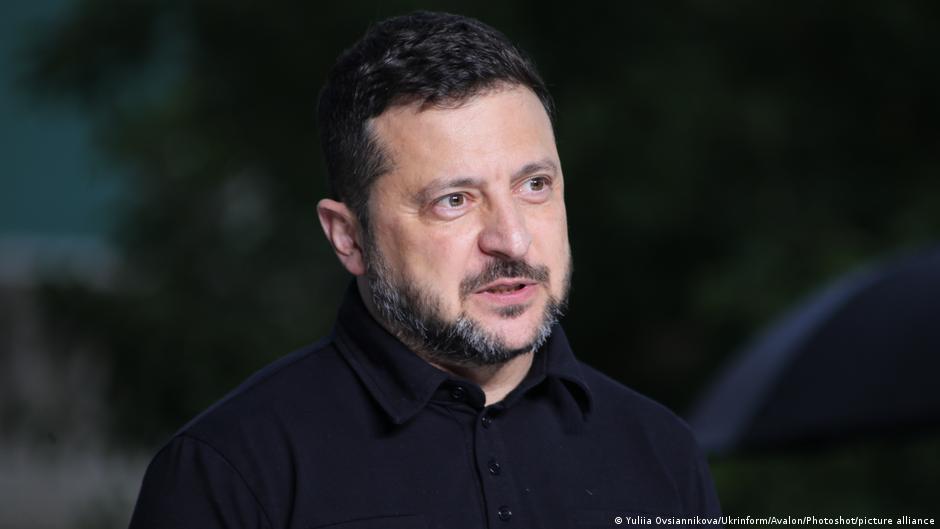
Kyiv Mayor Vitali Klitschko has advised residents of the Ukrainian capital who have friends or relatives elsewhere in the country to consider leaving the city temporarily, as intensified Russian attacks raise the risk of a wider urban services crisis ahead of winter.
In an interview with AFP published on Wednesday, October 8, Klitschko framed the situation not as a formal evacuation order, but as a warning about the pressures now bearing down on a city whose infrastructure has become a central target in Russia’s campaign. His message was directed at those with the practical ability to relocate within Ukraine, rather than at the entire population of Kyiv.
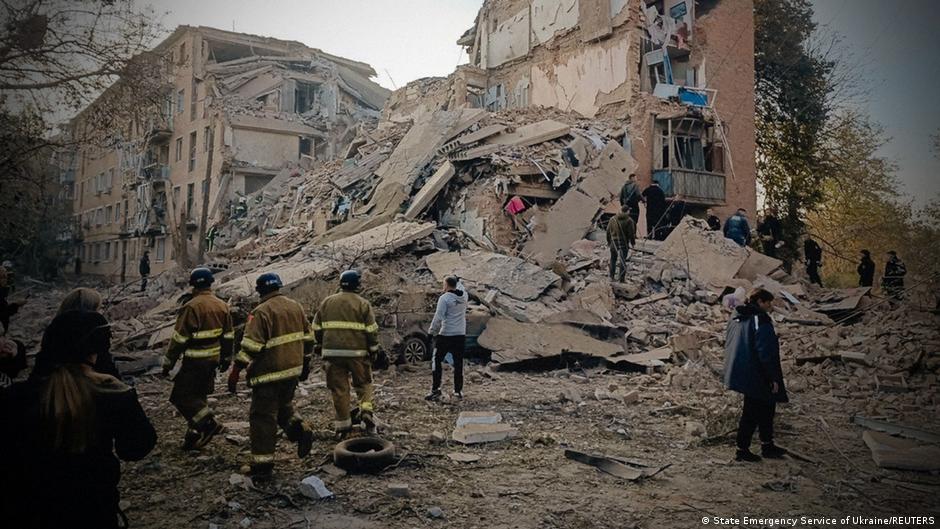
“Today it is about survival,” Klitschko said, pointing to daily reports of destroyed buildings, wounded residents and deaths as shelling of the capital intensifies.
The mayor warned that if Russian attacks disrupt Kyiv’s water supply system, the city could face a “fairly large-scale” crisis. He said municipal authorities are preparing reserve heating systems for the winter and building up stocks of fuel, food and drinking water. But he also cautioned that local preparations have limits if air defenses fail to intercept incoming strikes.
“If air defense does not work, we may end up in a bad scenario,” Klitschko said, according to the account of the interview.
Infrastructure as the Economic Front Line
For Kyiv, the immediate danger is humanitarian. But the economic implications are broader. A capital city is not only a population center; it is also a coordination hub for government, finance, logistics, media, healthcare and emergency response. When water, heating, power, communications or transport networks are threatened, the cost is not confined to repairs. The disruption spreads through household decisions, business continuity, labor availability and public administration.
Klitschko’s warning about temporary relocation reflects that structural vulnerability. Even a partial outflow of residents can reduce pressure on municipal services and emergency shelters, but it can also change the rhythm of the urban economy. Families that leave may suspend consumption, work remotely from other regions, shift demand to smaller cities, or require additional support from relatives and local authorities elsewhere. Businesses in Kyiv must plan for absent workers, interrupted deliveries and uncertain customer activity.
The mayor explicitly said he was not calling for a full evacuation. He described such an outcome as aligned with Russian President Vladimir Putin’s aims, saying the best scenario for Putin would be for Ukrainians to leave and hand over empty cities and the country. That distinction matters economically as well as politically. A full evacuation of a capital would represent not just population movement, but a severe shock to institutional continuity and market confidence.
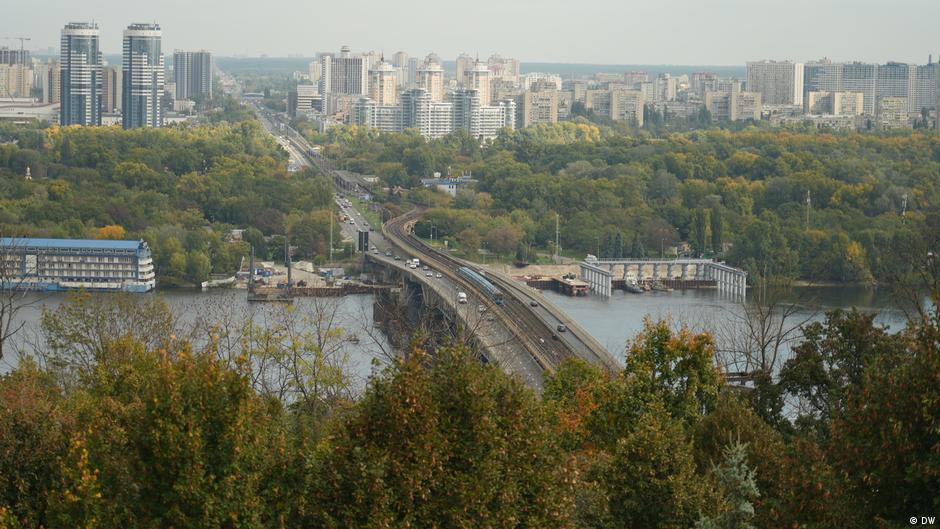
The latest warnings follow a reported escalation in September, when Russia intensified attacks on Kyiv. In early October, Russian forces began striking bridges across the Dnipro River that connect the right-bank and left-bank parts of the city. According to the source account, those bridges had not previously been attacked. Targets also included energy and communications facilities, as well as railway infrastructure.
Such targets are economically strategic because they govern the movement of people, electricity, information and goods. Bridges over the Dnipro are not merely transport assets; they bind together labor markets, supply routes and emergency access across the city. Railway infrastructure connects the capital to the rest of Ukraine, shaping the movement of military supplies, civilians, commercial freight and humanitarian assistance. Communications facilities underpin everything from public alerts to banking and business operations.
Winter Pressure and Historical Parallels
The approach of winter increases the stakes. Heating systems, fuel reserves and drinking water supplies become more than municipal services; they are core instruments of urban resilience. In wartime economies, the cold season often turns infrastructure into a pressure point because the failure of one system can compound failures in others. A power outage can affect pumping stations, heating distribution, communications and transport scheduling. Water disruption can quickly become a public health and civil order problem.
Ukraine has faced repeated attempts to degrade its energy and urban infrastructure since Russia’s full-scale invasion. The pattern recalled in Klitschko’s remarks is one in which the battlefield extends into the systems that keep civilian life functioning. The economic logic is coercive: by raising the cost of staying in major cities, attacks can seek to alter household behavior and strain the state’s capacity to protect urban centers.
On October 3, Ukrainian President Volodymyr Zelensky said Russia had adopted a new airstrike strategy intended to force Ukrainians to leave Kyiv and other large cities. Klitschko’s comments fit within that assessment. The mayor’s advice to those with somewhere to go temporarily acknowledges a practical need to reduce individual risk, while his rejection of a general evacuation seeks to avoid validating the strategic objective he attributes to Moscow.
For policymakers, the dilemma is acute. Encouraging limited relocation can save lives and reduce demand on vulnerable infrastructure. But too strong a signal can accelerate panic, weaken business confidence and place pressure on other Ukrainian cities that may themselves face infrastructure constraints. The balance between preparedness and continuity becomes a form of economic management.
Kyiv’s preparations for reserve heating, fuel, food and water supplies show how wartime urban governance has shifted from routine service delivery to contingency planning. Municipal budgets, procurement systems and logistics networks must now anticipate damage to core assets. The cost of resilience rises even before destruction occurs, because the city must maintain backups, stockpiles and rapid repair capacity.
The structural consequence is a more expensive, less efficient urban economy operating under persistent risk. Redundancy is essential in wartime, but it absorbs resources that would otherwise support development, maintenance or private investment. For households, the same logic applies: families must hold emergency supplies, plan alternative shelter and weigh relocation options, all of which impose financial and psychological costs.
Klitschko’s warning therefore marks more than a moment of civil defense messaging. It shows how the war is testing the economic foundations of Ukraine’s largest city: its utilities, transport links, labor stability and institutional confidence. The immediate question is whether Kyiv can endure another season of intensified strikes. The deeper question is how long a modern capital can absorb repeated attacks on the systems that make urban life economically viable.