US Senate Confirms Jay Clayton as Director of National Intelligence Amid Political Divides
Jay Clayton, former Southern District of New York prosecutor, assumes leadership of U.S. intelligence community despite lack of prior security experience.
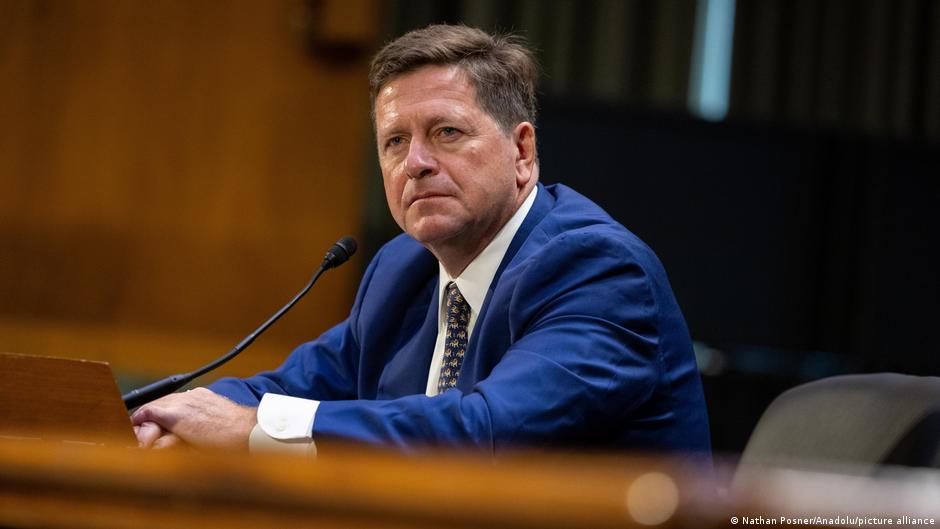
The U.S. Senate has confirmed Jay Clayton, former federal prosecutor for the Southern District of New York, as the new Director of National Intelligence (DNI). The nomination passed narrowly with 51 senators in favor and 47 opposed, including all Democrats. This decision highlights growing partisan tensions over the leadership of America's intelligence apparatus and raises questions about the potential implications for national security policy.
Political Context and Senate Divisions
Initially, many Democrats welcomed Clayton's nomination, considering him a preferable alternative to William Pulte, the acting DNI whose brief tenure was marked by controversy. However, during confirmation hearings, Democrats expressed concerns about Clayton's evasive responses regarding the legitimacy of the 2020 presidential election. When pressed on whether Joe Biden legitimately won the election, Clayton replied only that Biden was "recognized" as the winner, falling short of affirming the election's integrity. This reticence resonated with ongoing debates about election legitimacy fueled by former President Donald Trump's repeated unsubstantiated claims of electoral fraud.
"The confirmation vote underscores the deep partisan rifts shaping oversight of the intelligence community at a critical juncture."
These political undercurrents reflect broader structural challenges in the U.S. intelligence system, where leadership appointments have increasingly become arenas for political contestation rather than consensus-building.
Professional Background and Structural Implications
Jay Clayton's professional experience is predominantly in law enforcement and regulatory compliance rather than intelligence or national security. Since 2025, he served as the federal prosecutor for the Southern District of New York, leading high-profile cases including investigations into illegal drug trafficking linked to former Venezuelan leader Nicolás Maduro. Before that, he was chairman of the Securities and Exchange Commission (SEC) and practiced law at Sullivan & Cromwell, a prominent legal firm.
Despite lacking direct intelligence experience, Clayton now oversees the U.S. intelligence community, which encompasses 18 agencies such as the Central Intelligence Agency (CIA), the National Security Agency (NSA), and the Defense Intelligence Agency (DIA). This appointment raises significant questions about the evolving professional profile expected of intelligence leadership and the potential impact on inter-agency coordination and strategic priorities.
The previous DNI, Tulsi Gabbard, resigned in May citing personal reasons related to her husband's illness. Her departure led to Donald Trump's appointment of William Pulte as acting DNI, a choice that drew bipartisan criticism due to Pulte's limited qualifications in intelligence matters. During his short tenure, Pulte initiated the transfer of materials that could prompt criminal proceedings against political adversaries of Trump and led extensive staff reductions within the DNI office, cutting personnel by roughly 30 percent in an already strained organizational environment.
Clayton's nomination, proposed by President Trump in June, was justified by his past regulatory successes and legal expertise. However, his ascendancy to the helm of the intelligence community signals a departure from traditional norms where intelligence leadership often comes from within the national security or military sectors.
Historical Parallels and Economic Considerations
The politicization of intelligence appointments is not unprecedented but has intensified in recent decades, reflecting the broader polarization of American governance. Historically, DNI appointments have tried to balance technical expertise with political loyalty. Clayton’s confirmation deepens the trend toward selecting figures with political and legal backgrounds rather than intelligence careers, potentially affecting operational effectiveness.
From an economic perspective, the reshuffling and downsizing within the intelligence community, as seen during Pulte's acting directorship, may have long-term consequences on information gathering and security-related economic activities. The intelligence sector contributes significantly to national economic stability by safeguarding critical infrastructure and sensitive economic assets. Disruptions or leadership misalignments risk undermining these functions, with potential spillover effects on investor confidence and international economic relations.
Moreover, Clayton’s legalistic approach to leadership might influence procurement, regulatory oversight, and compliance aspects of intelligence operations, altering budgetary priorities and operational emphases in the coming years.
Conclusion
The confirmation of Jay Clayton as Director of National Intelligence reveals the complexities of managing America's intelligence apparatus amid partisan divides and changing expectations of leadership qualifications. His legal background contrasts with traditional intelligence credentials, introducing new dynamics into the governance of a critical sector for national security and economic stability. The long-term effects of this leadership shift will be closely watched as the U.S. navigates evolving domestic and global challenges.