US Sends First Humanitarian Aid Flight to Cuba Amidst Escalating Economic Sanctions
Despite tightening sanctions and military threat, the US initiates $100 million aid package aimed at alleviating Cuba’s humanitarian needs.
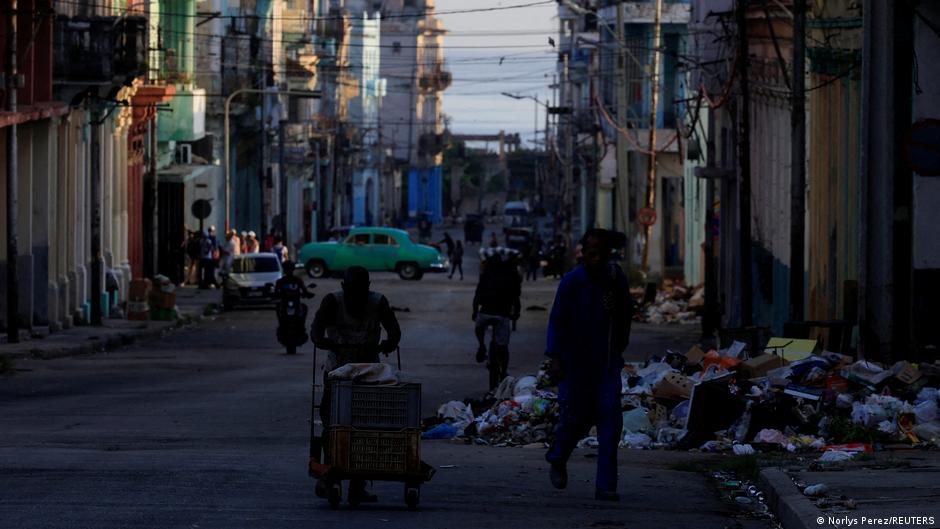
In a complex and seemingly contradictory policy move, the United States has dispatched the first plane carrying humanitarian aid to Cuba, marking the commencement of a $100 million assistance package aimed at addressing urgent needs on the island. This development comes amid intensified economic sanctions and growing military tensions between Washington and Havana.
Humanitarian Aid Amid Strategic Pressure
The U.S. State Department announced on July 21 that the initial shipment includes essential food supplies and hygiene kits intended to support approximately 700 Cuban families. Distribution will be managed through the Catholic Relief Services, a humanitarian organization with existing operational channels in Cuba. This follows prior collaboration in delivering $9 million worth of aid after Hurricane Melissa inflicted significant damage on parts of the island.
“The humanitarian aid aims to assist the Cuban population directly, even as economic pressures on Havana are intensifying.”
The aid package was first publicized by U.S. Secretary of State Marco Rubio in May as part of a broader strategy to support Cuban citizens amid worsening economic conditions. While Havana initially viewed the assistance with skepticism—accusing the U.S. of orchestrating power outages and artificially inducing shortages—the Cuban government appears to have accepted the aid following negotiations with representatives of the Trump administration.
Escalating Sanctions and Military Posturing
Simultaneously, the U.S. administration is ramping up pressure through targeted sanctions on Cuban state-owned enterprises and key figures connected to the ruling regime. On June 23, Rubio announced sanctions against five Cuban companies, including three linked to GAESA, a military-controlled conglomerate responsible for roughly 40% of the Cuban GDP and holding liquid reserves estimated at $14.5 billion as of 2024.
Additionally, sanctions targeted the spouse of Alejandro Castro, head of the Cuban National Security Council and son of former leader Raúl Castro. The Cuban Foreign Minister, Bruno Rodríguez, condemned these measures as "relentless aggression and collective punishment," while personally denouncing Rubio as "dishonest and deceitful." This rhetoric highlights the deepening diplomatic adversarial tones alongside economic actions.
On the security front, U.S. military planning has reportedly considered various scenarios, including deploying several thousand paratroopers from the 101st Airborne Division to Cuba. While no final decision has been made, intelligence reports suggest concern over Cuba’s acquisition of over 300 drones potentially capable of striking U.S. assets like the Guantanamo Bay naval base and parts of Florida.
However, multiple sources indicate that a direct military intervention remains unlikely in the near term due to the U.S. military’s extensive commitments elsewhere—particularly in the ongoing conflict involving Israel and Iran. Instead, the Trump administration appears to prefer leveraging economic sanctions and diplomatic pressure to achieve strategic objectives.
Economic and Geopolitical Implications
This dual approach—offering humanitarian aid while intensifying sanctions and military posturing—reflects a nuanced strategy aimed at exerting maximum pressure on the Cuban government without provoking full-scale confrontation. The focus on GAESA is particularly significant given its central role in Cuba's economy and the Revolutionary Armed Forces' control over critical sectors.
Historically, U.S.-Cuba relations have oscillated between embargoes, limited engagement, and occasional humanitarian outreach, with economic sanctions often exacerbating hardships faced by ordinary Cubans. The current package, while providing immediate relief, exists within a broader context where sanctions restrict access to resources, thereby deepening economic strain.
Analysts caution that without structural reforms and diplomatic rapprochement, the island’s economic vulnerabilities may intensify, potentially destabilizing social and political conditions. The humanitarian aid, therefore, serves a dual function: alleviating civilian suffering and bolstering international legitimacy for U.S. policy amid accusations of aggressive interference.
In sum, the U.S. aid initiative and accompanying sanctions exemplify the complex interplay of humanitarian concern and strategic competition embedded in contemporary U.S.-Cuba relations. This balance will significantly influence the island's economic trajectory and regional stability going forward.