US Special Envoy Whitcoff Arrives in Switzerland for Critical Iran Nuclear Talks
Negotiations between the US and Iran resume amid regional tensions and delayed agreements over a ceasefire in Lebanon.
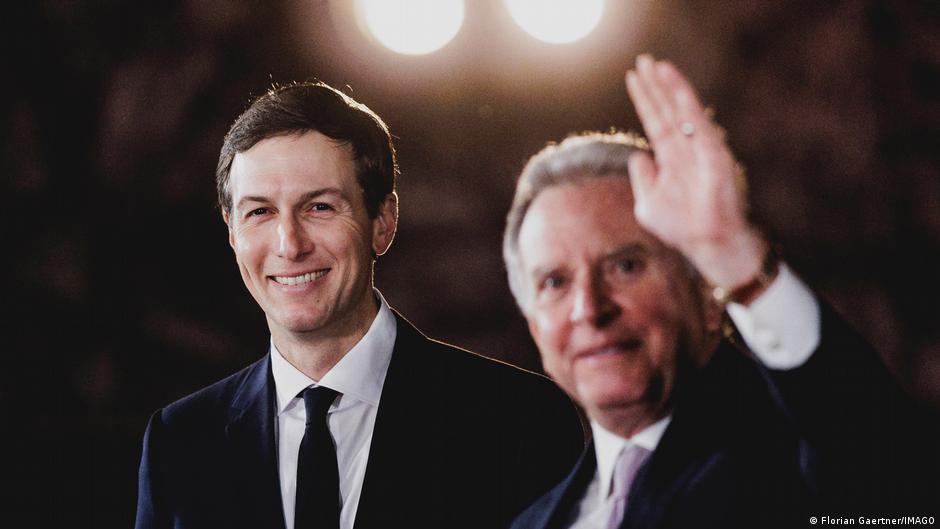
On June 20, US Special Envoy Stephen Whitcoff traveled to Switzerland to engage in the first round of nuclear deal negotiations with representatives from Iran. This move follows a series of delays and complex regional dynamics that have impacted the prospects of reaching a sustainable agreement between Washington and Tehran.
Negotiations Amid Regional Instability
The talks, initially scheduled for June 19, were postponed as Iranian Foreign Minister Abbas Araghchi emphasized to mediators the "critical importance" of establishing a ceasefire in Lebanon before proceeding. The continued hostilities between Israel and Hezbollah, the Iranian-backed Shiite militant group operating in southern Lebanon, undermined efforts to finalize the memorandum of understanding between the US and Iran.
"Iran insists on a stable ceasefire in Lebanon as a precondition for meaningful talks," a source close to the negotiations said.
Despite the initial plan to sign the memorandum remotely on June 17 and commence a 60-day negotiation period thereafter, escalated fighting delayed the in-person talks. The memorandum sought a comprehensive cessation of hostilities along key conflict lines, including Lebanon, to create a conducive environment for diplomatic progress.
Qatar's Prime Minister Sheikh Mohammed bin Abdulrahman Al Thani, a key intermediary, arrived in Switzerland on June 19, underscoring the high stakes and regional involvement in facilitating these talks. Jared Kushner, the former White House senior adviser and son-in-law of ex-President Donald Trump, was also reported to be in Switzerland, signaling the Biden administration's multifaceted diplomatic approach.
Economic Stakes and Political Messaging
Negotiations carry significant economic implications for Iran, including access to approximately $300 billion from private investment funds and the unblocking of $24 billion in frozen assets. These financial components are central to Iran's economic recovery and restructuring amid ongoing sanctions and regional isolation.
However, former President Trump publicly questioned Iran's commitment, attributing blame for the delay to Tehran and stating that the US would not release any funds "even ten cents" during the 60-day negotiation window. This rhetoric reflects enduring US domestic political divisions that complicate international diplomacy.
The interplay between military developments in Lebanon and negotiations in Switzerland highlights the inseparability of security and economic dimensions in Middle East diplomacy. The US aims to leverage both to achieve a durable nuclear agreement that not only limits Iran's nuclear ambitions but also reduces regional conflict risks.
Historical Context and Structural Consequences
This round of talks echoes previous diplomatic efforts surrounding the Joint Comprehensive Plan of Action (JCPOA), underscoring the cyclical nature of US-Iran relations marked by periods of engagement and stalemate. The insistence on a ceasefire in Lebanon as a precondition reflects the complex interdependencies between Iran's regional proxies and its negotiation posture.
Economically, unlocking Iranian assets and investment funds could alter regional economic balances and open pathways for reconstruction in war-affected areas, with significant implications for global energy markets and supply chains. The potential 60-day negotiation period is critical not only for nuclear non-proliferation but also for broader economic integration and conflict resolution strategies in the Middle East.
The success or failure of these talks will shape US foreign policy's trajectory in the region and influence the structural economic landscape, particularly how sanctions and investment intersect with geopolitical stability.