Uzbekistan's Car Market Grows 19% in March with Rising Demand for New and Used Vehicles
March 2026 saw Uzbekistan's light vehicle sales surge 19% month-on-month, reflecting sustained growth in both primary and secondary markets.
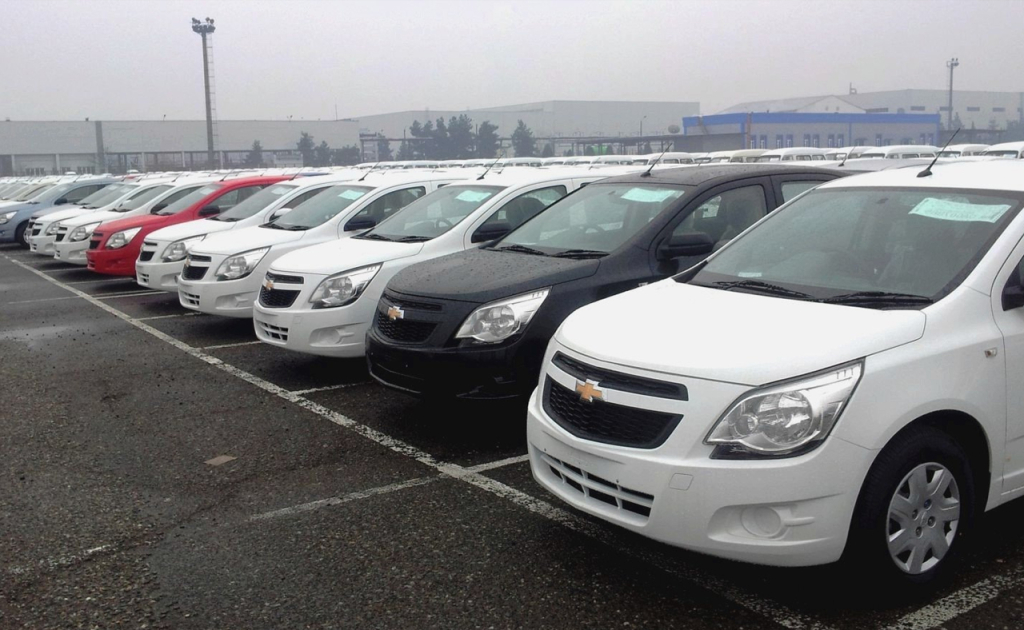
In March 2026, Uzbekistan experienced a significant upswing in the automotive sector, with total light vehicle sales reaching over 78,000 units. This figure marks a 19% increase compared to February and a 20.6% rise year-over-year, underscoring a stable upward trend in vehicle demand within the country.
Primary and Secondary Market Dynamics
Out of the total light vehicles sold, approximately 31,000 units were new cars, representing the primary market, while 47,500 were used vehicles, accounting for the secondary market. The primary market’s sales increased by 13% month-on-month and an impressive 37% year-on-year. Domestic production played a major role here, with locally manufactured vehicles constituting 25,000 units and showing an annual growth of 26.5%.
The segment of imported new cars witnessed even stronger momentum, nearly doubling compared to the previous month to 5,700 units, with annual growth also being notably robust. On the secondary market, sales surged by 23% month-on-month and 12% annually to 47,500 vehicles.
Regional Variations and Urban Market Activity
Geographically, most regions recorded growth in vehicle sales during March. Surxondaryo led with a remarkable 51.4% increase, followed by Tashkent region with 46%. The capital city, Tashkent, demonstrated exceptional activity, with the light vehicle market expanding by 60.5% in a single month. Other regions such as Sirdaryo and Navoiy also posted significant gains.
Only Jizzakh, Andijan, and Samarkand regions experienced declines, indicating localized market fluctuations possibly tied to economic or demographic factors.
Emergence of Electric Vehicles
Notably, the electric vehicle (EV) market segment is gaining traction in Uzbekistan. March sales of electric cars reached 5,500 units, a 24% increase from the previous year, reflecting growing consumer interest and the gradual integration of green technologies in the country’s automotive landscape.
"The steady increase in vehicle sales across both new and used segments indicates Uzbekistan's automotive market is entering a phase of sustained growth, supported by both domestic production and imports," noted economic analysts.
Economic Implications and Structural Trends
The expanding automotive market in Uzbekistan signals deeper structural changes in the country’s economy. Increased demand for vehicles not only reflects rising consumer purchasing power but also indicates broader trends such as urbanization, infrastructure development, and integration into global supply chains.
Domestic production growth suggests successful industrial policies aimed at automotive sector development, contributing to job creation and technological advancement. Meanwhile, the robust import segment highlights growing connectivity with international markets and consumer preference diversification.
The rise in electric vehicle sales aligns with global decarbonization trends and Uzbekistan’s strategic orientation towards sustainable development, potentially opening new avenues for investment and innovation.
However, regional disparities in growth rates call for targeted policy interventions to ensure inclusive development across the nation's varied economic landscapes.
Overall, the data from March 2026 confirms the Uzbek automotive market's resilience and the dynamic interplay of local production, foreign imports, and emerging technologies as key drivers of economic transformation.