Western Governesses Educate Putin’s Alleged Children, Highlighting Russia’s Elite Language Preferences
Investigations reveal foreign tutors teaching English and German to Vladimir Putin’s presumed children, reflecting broader trends in elite education and economic implications.
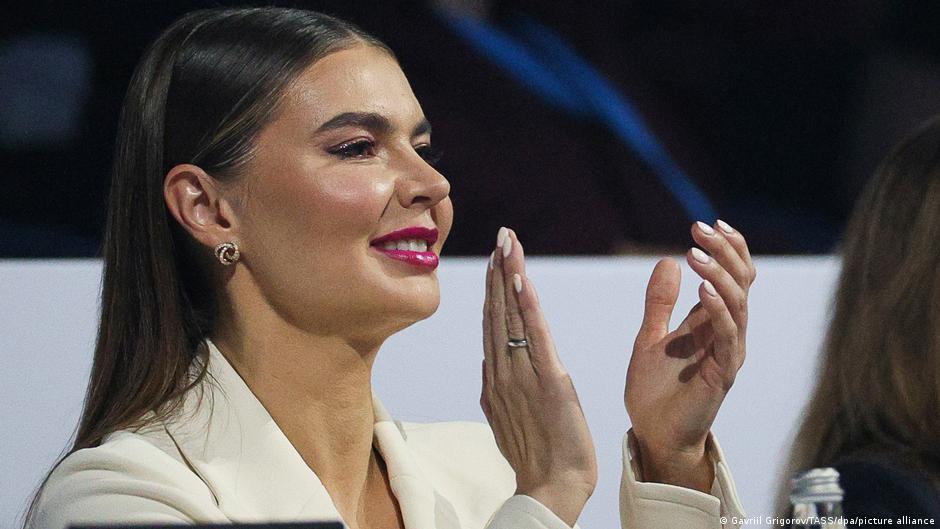
Recent investigative findings reveal that Western governesses have been employed to teach foreign languages to the presumed children of Russian President Vladimir Putin and Olympic champion Alina Kabaeva. This practice, spanning from 2017 through 2026, involves nearly 20 educators from countries such as the United Kingdom, New Zealand, Germany, Austria, and Ireland. The annual expenditure for their salaries reportedly reaches hundreds of thousands of U.S. dollars.
Economic Dimensions and Structural Implications
The employment of foreign language tutors for the president’s family underscores not only individual preferences but also reflects broader socioeconomic dynamics within Russia's elite. Officially, these tutors are registered as "lead translators" at the Professional Retraining Institute of the International Medical Center "Sogaz," a classification that facilitates their acquisition of work visas as "highly qualified specialists." This arrangement illustrates mechanisms by which Russia's upper echelons access and integrate Western expertise despite geopolitical tensions and sanctions that have restricted many forms of cross-border cooperation.
From an economic standpoint, the significant outlay—at least 3.5 million rubles (approx. $45,000) in January 2026 alone for three tutors—signals the prioritization of Western language proficiency among Russia’s ruling class. This focus parallels longstanding historical tendencies where elites adopt foreign languages and cultural codes to maintain global connectivity and social distinction.
"By age four, Ivan should be fully immersed in a ‘language bath,’ with English spoken like a 'literate European,'" stated one insider involved in the education process.
The insistence on near-native language competence in English and German aligns with Russia’s historical engagement with Western Europe, especially in elite educational practices. It also reflects aspirations toward international cultural capital and soft power, which may contrast with official political rhetoric emphasizing Russian sovereignty and self-reliance.
Institutional and Historical Context
The investigation reveals that the recruitment and oversight of these foreign tutors are managed by Kabaeva’s cousins, Olesya Fedina and Ekaterina Golovacheva. Documents designate the children as mere "wards," omitting direct reference to Putin or Kabaeva. The tutors reside with the children at the presidential residence in Valdai, subject to strict health monitoring and behavioral guidelines, including prohibitions against imposing political, religious, or ideological views, as well as avoiding topics related to sexual education and LGBTQ+ issues.
This controlled environment suggests a deliberate effort to shield the children from prevailing social narratives within Russia, instead imparting a curated Western linguistic and cultural immersion. Such an approach may be interpreted as a strategic form of social capital investment aimed at future flexibility within globalized elite networks.
The phenomenon also exemplifies a paradox within Russia’s contemporary elite: while public policy and nationalist discourse promote skepticism of Western influence, private educational choices for those closest to power embrace Western cultural and linguistic norms. This duality raises important questions about the long-term structural consequences for Russia’s social stratification and cultural identity.
Moreover, the reliance on foreign pedagogues amidst a politically charged climate complicates Russia’s labor market and migration policies, especially concerning "highly qualified specialists." It reflects a nuanced prioritization within the elite sphere that contrasts with broader economic nationalism and import substitution policies.
The investigation found limited responses from the implicated individuals, including Fedina, Golovacheva, Kabaeva’s representatives, and the Kremlin spokesperson Dmitry Peskov, who all declined to comment. This silence reinforces the discreet nature of elite educational arrangements and the difficulty of accessing transparent information about those within Russia’s highest power circles.
In summary, the use of Western governesses for Putin's alleged children encapsulates the intricate intersection of language, culture, economics, and power within contemporary Russia. It reveals enduring patterns of elite behavior that balance geopolitical rhetoric with pragmatic investments in international cultural capital, carrying significant implications for Russia’s societal structure and economic orientation.