Zvyagintsev Highlights Millions of Russians’ Lack of Voice Amid War and Kremlin Censorship
Prominent filmmaker’s anti-war appeal rejected by Kremlin spokesperson, underscoring the silencing of dissent in Russia.
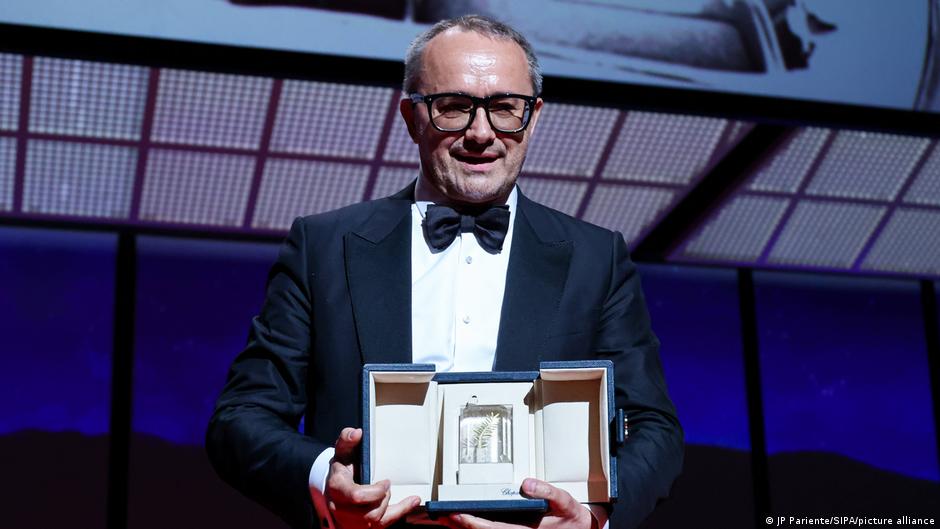
Renowned Russian filmmaker Andrei Zvyagintsev, winner of the Cannes Film Festival Grand Prix, recently issued a powerful anti-war plea calling for the immediate cessation of the ongoing conflict between Russia and Ukraine. However, his message was effectively dismissed by the Kremlin, with spokesperson Dmitry Peskov refusing to deliver Zvyagintsev’s statement to President Vladimir Putin. This exchange has exposed a broader structural reality: millions of Russians today effectively lack a voice in shaping their country’s course amid severe political repression.
Context and Historical Parallels of Silenced Dissent
Zvyagintsev’s speech at Cannes on May 23 resonated deeply with international audiences, as he implored President Putin to end the “senseless and relentless war” that has inflicted immeasurable suffering on both sides of the conflict. “Millions of people along the front line dream only of one thing: to stop the endless killing. And the only person who can do that is you, Mr. President,” he declared to applause.
Yet, Peskov’s response on May 25 was dismissive and revealing. He stated that Zvyagintsev lacked the “right to speak” because he had not condemned what the Kremlin terms the “bloody massacre” by the Kyiv regime in Donbas since 2014. This justification reflects a longstanding Kremlin narrative that delegitimizes voices opposing the government’s policies, framing dissenters as unpatriotic or insufficiently loyal.
“Yes, indeed—I have no right to speak, just as hundreds of millions of Russians today have no right to speak,” Zvyagintsev responded. “You have never heard their voices.”
This pattern of silencing dissent finds disturbing historical parallels in Russia’s recent past. From the 2008 conflict in Georgia to the suppression of protests in 2011 and the annexation of Crimea in 2014, voices opposing government actions have been marginalized or criminalized. The Kremlin’s systematic control over media and public discourse has effectively narrowed the space for peaceful opposition.
Structural Economic and Societal Consequences
The suppression of free expression is not merely a political issue but has profound economic implications. The inability of citizens to influence policy decisions through democratic channels undermines accountability and can lead to prolonged conflicts with costly consequences. Economic sanctions, military expenditures, and international isolation exacerbate domestic economic challenges, including inflation, capital flight, and brain drain.
Moreover, Zvyagintsev’s emphasis on the loss of young lives “needed for building the country’s future” highlights a demographic crisis exacerbated by the war. The destruction of human capital directly undermines Russia’s long-term development prospects. Without open dialogue and policy corrections informed by citizen input, structural economic stagnation and social decay become increasingly likely.
His call for acting “from the principle here and now” to end the war underscores the urgency of shifting from rhetoric toward practical solutions that could restore stability and foster economic recovery.
Conclusion
Zvyagintsev’s experience illustrates the systemic barriers to civic participation in Russia today. The Kremlin’s refusal to acknowledge dissenting voices not only stifles political pluralism but also risks deepening societal divisions and economic decline. As Russia approaches a critical juncture marked by escalating conflict and domestic repression, the question remains whether the country can reconcile with its citizens’ demands for peace and agency before reaching an irreversible dead end.