AKFA Aluminium Considers First International Bond Issue Amid Strategic Transparency Drive
Uzbek aluminium producer AKFA Aluminium plans inaugural bond issuance and investor roadshow in London, reflecting growing corporate transparency and capital market integration.
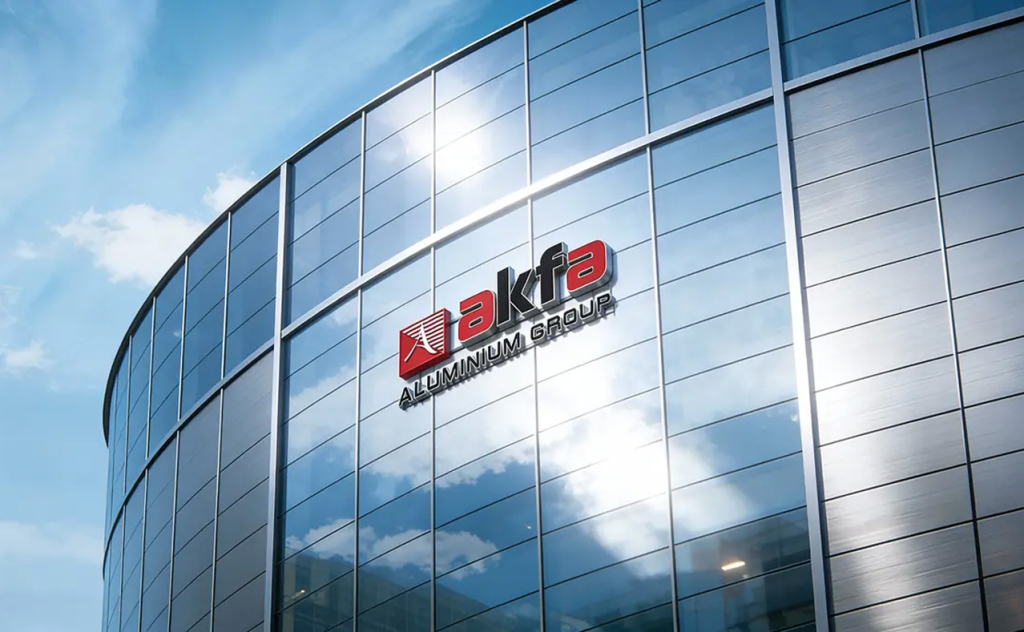
"AKFA Aluminium," one of Uzbekistan's leading private industrial enterprises, is exploring the possibility of issuing its first international bonds, marking a significant step towards deeper integration into global capital markets. According to recent reports, the company is preparing for a two-day investor roadshow in London starting July 13, engaging leading global banks Citigroup and JPMorgan as arrangers.
Strategic Shift Toward Corporate Transparency and Market Integration
The decision to potentially issue bonds internationally reflects AKFA Aluminium's broader strategic agenda to enhance corporate governance and transparency. On May 8, the company announced its initial public offering (IPO) plans, underlining a commitment to improving disclosure practices and refining management structures as it transitions to a joint-stock company framework.
“This decision marks a pivotal phase in AKFA Aluminium’s evolution as a joint-stock entity, aimed at enhancing transparency and formalizing information disclosure practices.”
Founded in 2000 by entrepreneur and former Tashkent mayor Jahongir Ortiqxo‘jayev, AKFA Aluminium specializes in manufacturing aluminium and plastic products for construction, exporting to over 30 countries. The company’s development trajectory has been buoyed by an investment-grade credit rating of B+ from S&P Global Ratings, reaffirmed through 2024, signaling moderate credit risk with stable outlook.
Economic Context and Financial Performance
AKFA Aluminium’s charter capital stands at approximately 664.8 billion Uzbek soms, split evenly between Jahongir Ortiqxo‘jayev and Nigoraxon Ortiqxo‘jayev, with Bahodir Abdullayev serving as the company’s current head.
For 2025, projected revenues amount to around 31.23 billion soms. However, affiliated companies under the broader investment umbrella have reported mixed financial results. Notably, the National Investment Fund, which previously sold 31% of its shares through IPO processes for approximately $603.6 million, recorded a substantial loss of 417.4 billion soms in the first quarter of 2026.
KAP DEPO executive Farrux Xodjayev emphasized the necessity for investors to interpret these financial results with nuance. He highlighted that the reported loss largely stems from asset revaluation and portfolio restructuring rather than actual cash outflows, classifying much of the deficit as a "paper loss" due to accounting standards requiring assets to be marked at fair value.
Historical and Structural Implications
AKFA Aluminium’s move toward issuing international bonds can be viewed within a larger historical context of Uzbekistan’s gradual liberalization and modernization of its capital markets. Traditionally reliant on bank financing and domestic sources, Uzbek enterprises are increasingly seeking diversified funding avenues to support expansion and operational resilience.
This trend aligns with structural economic reforms emphasizing transparency, corporate governance, and investor protection, which are prerequisites for attracting foreign institutional capital. The involvement of marquee global banks in arranging the bond issuance is indicative of international investor interest and a growing confidence in Uzbekistan’s private sector potential.
Nevertheless, the timing and scale of such financial undertakings must be balanced against domestic economic volatility and the evolving regulatory landscape. The selective disclosure of financial data and the ongoing IPO process also suggest a cautious approach, aimed at calibrating market expectations and building investor trust.
Outlook and Broader Economic Consequences
If successful, AKFA Aluminium’s bond issue would not only provide new capital for corporate growth but also establish a benchmark for other Uzbek companies aspiring to access international debt markets. This could accelerate the development of Uzbekistan’s capital markets, enhancing liquidity, and fostering a more diversified financial ecosystem.
Moreover, increased foreign investor participation can serve as a catalyst for wider improvements in transparency and corporate governance across the region’s private sector. However, it also exposes companies to global market dynamics and investor scrutiny, necessitating robust risk management and strategic communication.
As AKFA Aluminium navigates this complex transition, the company’s experience will offer valuable insights into the interplay between domestic economic reforms and global financial market integration in emerging economies.