US Military Strikes on Iran Challenge Ceasefire Amid Renewed Sanctions and Gulf Tensions
US strikes targeting Iranian defense and naval assets follow attacks on commercial vessels, escalating economic and geopolitical risks in the strategically vital Strait of Hormuz.
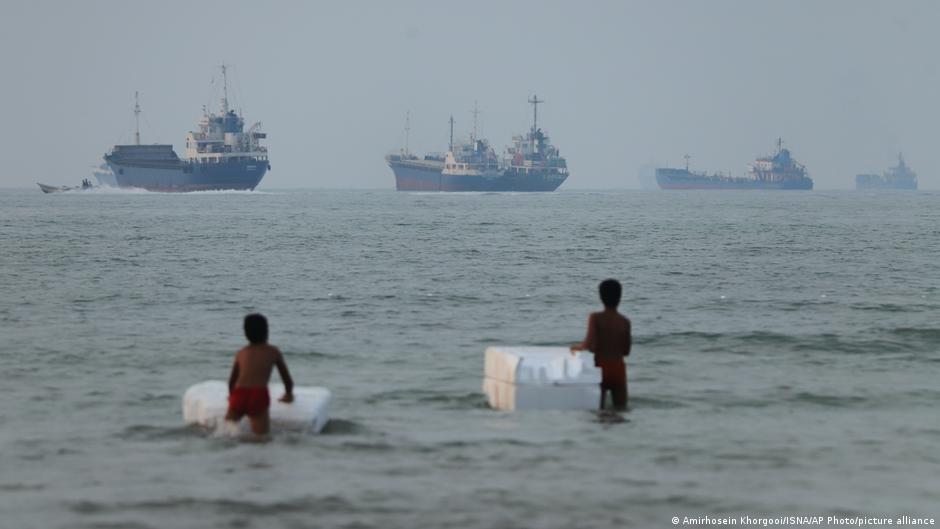
In a significant escalation of tensions in the Gulf region, the United States military carried out extensive strikes against Iranian targets in response to attacks on three commercial vessels near the Strait of Hormuz. The US Central Command (CENTCOM) described the Iranian aggression as "unjustified, dangerous, and a clear violation of the ceasefire agreement." The incident underscores the fragile balance in one of the world's most critical maritime chokepoints, with broad implications for global trade and energy markets.
Context and Details of the Strikes
The US military targeted Iranian air defense systems, command and communication networks, coastal radar installations, anti-ship missile defenses, and over 60 vessels belonging to the Islamic Revolutionary Guard Corps (IRGC). These strikes marked a robust response to attacks attributed to Tehran, including a drone strike that lightly damaged a tanker and a separate attack on a Qatari liquefied natural gas carrier, Al-Rekajat, which sustained serious damage from an unknown projectile.
"The aggression demonstrated by Iran was unjustified, dangerous, and represented a clear breach of the ceasefire regime," stated CENTCOM on social media following the operation.
The attacks on commercial shipping have heightened fears of instability disrupting the flow of oil and gas through the Strait of Hormuz, a passage responsible for about a fifth of the world's seaborne petroleum exports. Iran insists that only the route it prescribes through the strait is safe, a claim that international actors dispute.
Sanctions and Diplomatic Fallout
Prior to the military strikes, Washington reinstated sanctions on Iranian oil exports that had been lifted just over two weeks earlier, intensifying economic pressure on Tehran. Iran condemned the sanctions and military action as serious violations of existing agreements and vowed to take decisive measures to safeguard its national interests.
Diplomatically, the attacks complicate ongoing efforts to negotiate a long-term settlement addressing Iran's nuclear program, US troop withdrawals from neighboring countries, and maritime security arrangements. A memorandum signed recently stipulated a 60-day window for progress on these issues, yet no advancements have been publicly reported.
European powers, notably France and the United Kingdom, have proposed a multinational maritime mission under NATO auspices to secure safe passage through the Strait, engaging Gulf Arab states in discussions. However, Iran's refusal to participate undermines prospects for de-escalation and cooperative security arrangements in the region.
Economic and Strategic Implications
The renewed US sanctions and military actions against Iran carry significant ramifications for global energy markets. The Strait of Hormuz is a strategic artery for oil and liquefied natural gas exports; disruptions here can trigger supply shocks and price volatility worldwide. Already, limitations on transit routes due to Iran’s reluctance to authorize full mine clearance have restricted shipping lanes, reducing the strait's throughput to less than half its pre-conflict levels.
This environment has created uncertainty for traders and investors, with potential ripple effects for economies dependent on Gulf energy exports. Moreover, the risk of a broader military confrontation threatens regional stability, which could deter foreign investment and exacerbate economic challenges for Gulf Cooperation Council (GCC) countries.
US President Donald Trump has issued stark warnings to Iran, indicating that negotiations will either yield an agreement or the US will "finish the job" militarily. Iranian Foreign Minister Abbas Araqchi has responded that meaningful talks cannot proceed under the threat of ongoing US hostility, highlighting the diplomatic deadlock.
Looking Ahead
The recent US strikes against Iranian military assets and the re-imposition of sanctions signal a hardening of policies on both sides, diminishing prospects for a diplomatic resolution in the near term. The strategic calculus in the Gulf is increasingly shaped by a complex interplay of military posturing, economic sanctions, and regional alliances, risking further escalation with far-reaching consequences for global trade and energy security.
As the world watches, the situation in the Strait of Hormuz serves as a stark reminder of how geopolitical conflicts can rapidly translate into economic disruptions, underscoring the importance of multilateral efforts to manage tensions and secure critical global infrastructures.