Armed Rebel Clashes in DR Congo Result in 69 Deaths Amidst Resource Conflict
Recent rebel attacks in Ituri province highlight persistent ethnic tensions and competition for mineral wealth in DR Congo.
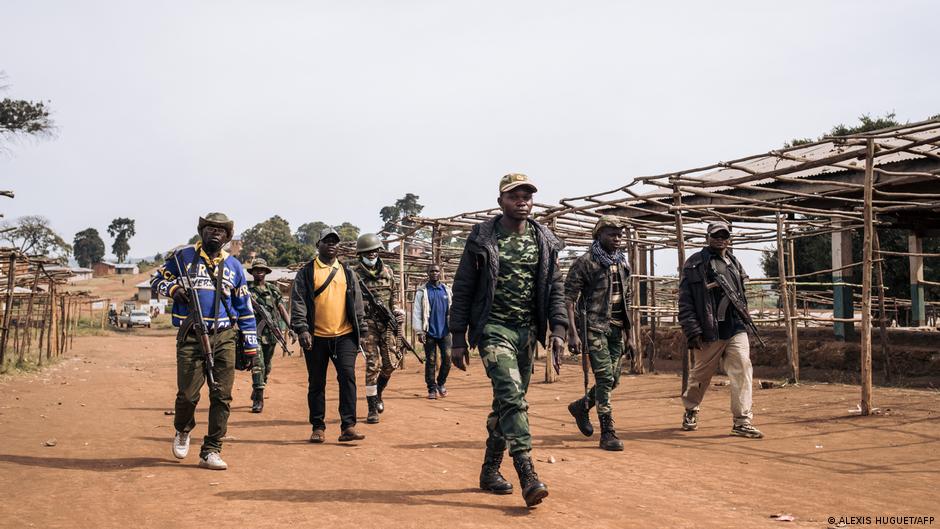
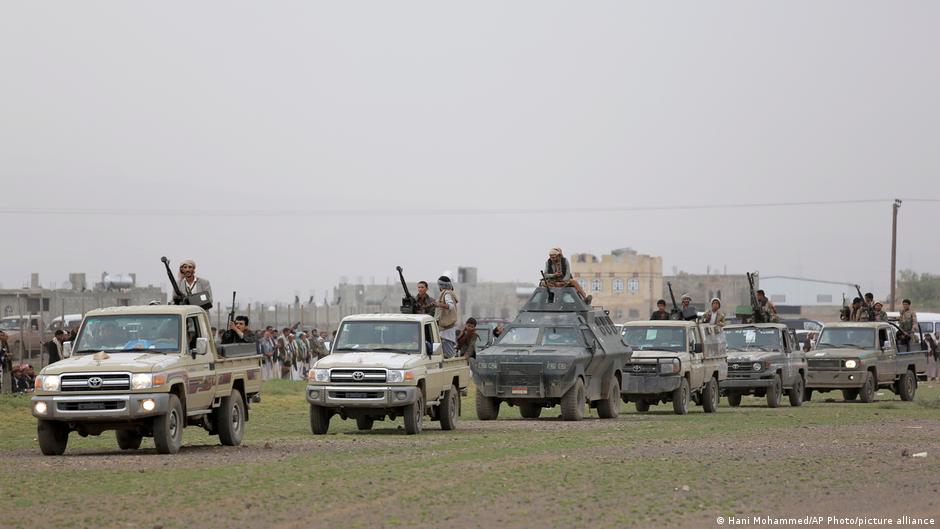
In late April, violent clashes between two rebel groups in the Ituri province of northeastern Democratic Republic of Congo (DRC) resulted in the deaths of at least 69 people, including 19 combatants, authorities confirmed. The attacks underscore the enduring instability in this mineral-rich region and the complex interplay of ethnic rivalries and economic interests fueling the conflict.
Ethnic Divisions and Armed Groups
The first assault targeted a DRC army unit and was carried out by the Convention for the Popular Revolution (CRP), a rebel faction linked to the Hema ethnic group. In retaliation, the Cooperative for the Development of Congo (CODECO), which claims to protect the interests of the Lendu community opposing the Hema, launched attacks on several settlements.
"The ongoing presence of CODECO fighters has delayed recovery operations, complicating efforts to confirm casualty figures," a security source revealed.
Ituri province, endowed with significant gold deposits, has long been a hotspot for interethnic violence exacerbated by competition among armed groups seeking control over valuable resources. Notably, CODECO evolved from an agricultural cooperative into a formidable militant force with thousands of fighters, now recognized as one of the most violent groups in the region.
Historical Roots and Leadership
The CRP traces its origins to Thomas Lubanga, a former commander who led the Union of Congolese Patriots in the early 2000s. The International Criminal Court (ICC) issued an arrest warrant for Lubanga in 2006, charging him with war crimes; he was subsequently convicted and served 14 years in prison. After his release in 2020, Lubanga shifted towards politics in Ituri but announced the formation of a new armed group in 2025, citing government inaction towards CODECO and Ugandan rebel violence.
Meanwhile, the eastern DRC is also home to the March 23 Movement (M23), representing the Tutsi minority, which in 2025, with support from Rwandan forces, captured Goma, a major eastern city with a population of about 2 million. The presence of multiple armed factions with cross-border links perpetuates the region’s volatility.
Economic and Structural Impact
The recurrent violence in Ituri and the broader eastern DRC reflects deeper structural challenges. The region’s abundant natural resources, especially gold and other minerals, have become both a blessing and a curse—attracting armed groups seeking to finance their operations and weakening state authority. The persistent conflict disrupts economic activities, displaces populations, and hampers development efforts.
More than 30 years of armed conflict since the 1994 Rwandan genocide have left over 7 million Congolese internally displaced. The entanglement of ethnic grievances with economic competition complicates peacebuilding initiatives and underscores the need for integrated approaches addressing both security and governance deficits.
As the DRC continues to grapple with these challenges, the recent attacks in Ituri serve as a stark reminder of the fragile equilibrium between resource wealth and conflict, highlighting the urgent necessity for sustained political engagement and structural reforms to foster stability and economic recovery.