Poland Signs Controversial EU Loan Agreement to Boost Defense Spending
Poland secures nearly €44 billion loan from EU under the SAFE program despite presidential veto and domestic opposition.
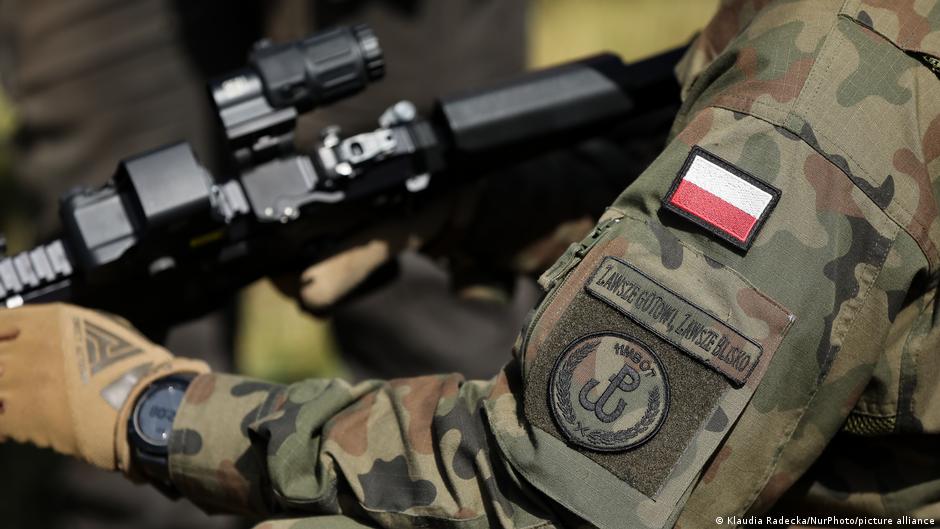
Poland has become the first European Union country to finalize an agreement under the EU-wide Security Action for Europe (SAFE) initiative, securing a substantial loan of approximately €43.7 billion aimed at modernizing its armed forces. This sum represents nearly one-third of the €150 billion budget allocated for the SAFE program across all EU member states.
Context and Significance of the SAFE Loan
The agreement, signed on May 8, involves key figures from the Polish government and EU officials, including Poland's Minister of Defense, Władysław Kosiniak-Kamysz, Finance Minister Andrzej Domański, representatives from the National Economy Bank, and EU commissioners responsible for defense and budget matters.
"No other participating country will invest such significant sums into its defense industry," stated former Prime Minister Donald Tusk, highlighting Poland's ambitious approach to military modernization.
According to Tusk, 89% of the loan funds will be channeled directly to Polish defense companies and their partners, emphasizing a substantial boost to the domestic defense industrial base. Minister Kosiniak-Kamysz noted that modern equipment procured through the SAFE program will be distributed across all branches of the Polish military, with a portion of the funds dedicated to enhancing cybersecurity capabilities.
The initial advance payment of €6.5 billion is expected imminently, with plans to finalize 40 contracts under the SAFE program by the end of May. Government spokesperson Magdalena Sobkowiak-Charnecka stressed production targets, indicating that defense companies should establish manufacturing capabilities by 2030.
Disbursements under the SAFE loan will occur biannually, in October and April, contingent upon Poland providing progress reports to the European Commission on defense project implementations. Notably, Poland benefits from a grace period of ten years during which principal repayments on the loan are not mandatory, providing fiscal breathing space for the country.
Domestic Political Tensions and Economic Implications
Despite the government's determination to proceed, the agreement has been met with internal dissent. Less than two months before the signing, Polish President Karol Nawrocki vetoed the country’s participation in SAFE, expressing concerns over the loan's size and long repayment horizon. Nawrocki described the program as a "massive external loan" potentially costing Poland up to 180 billion zlotys (around €41 billion) in interest over 45 years.
The government clarified that the veto did not prevent the loan agreement but restricted the use of funds strictly to military institutions. However, post-agreement statements by Tusk suggested plans to extend financing toward border security, firefighting, and police forces, indicating an intent to broaden the scope of funded security sectors beyond the military.
The scale and structure of this loan arrangement raise important questions about Poland's long-term fiscal strategies and defense policy. By leveraging such a considerable external loan, Poland is signaling a robust commitment to modernization but also embedding significant future repayment obligations that could impact public finances and economic priorities.
Historically, large-scale defense investments financed through external debt have had mixed economic effects, potentially stimulating industrial development but also increasing vulnerability to fiscal constraints and external shocks. Poland's case will be a critical example of how EU member states balance security imperatives with economic sustainability amid evolving geopolitical challenges.
As Poland moves forward with the SAFE program, the effectiveness of the investments and the management of the loan's repayment will be key indicators for both national policymakers and EU institutions overseeing the initiative.