US Department of Defense Releases Declassified UFO Files Amid Growing Public Interest
Pentagon initiates unprecedented archival project to publish and analyze decades of UFO data with interagency collaboration.
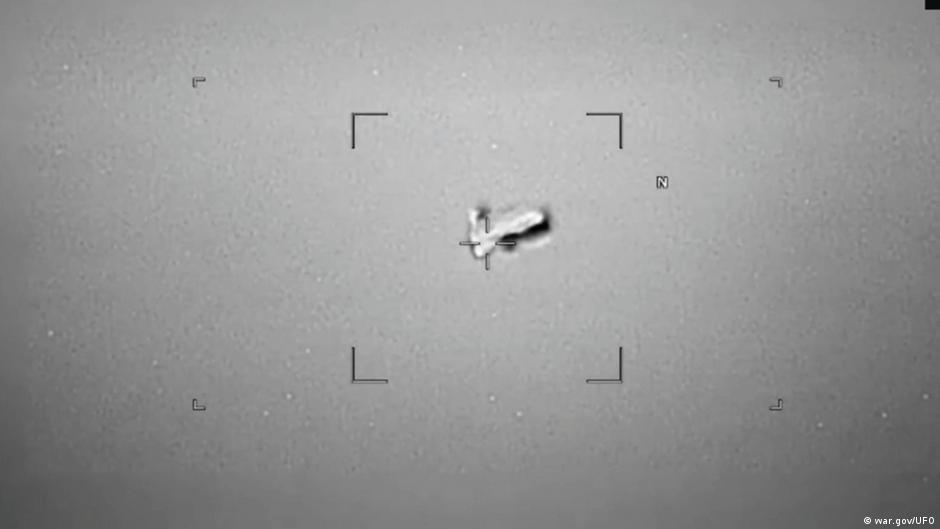
On May 8, the US Department of Defense (DoD) launched a dedicated online archive releasing 161 declassified files relating to unidentified flying objects (UFOs) and unidentified aerial phenomena (UAPs). The files include photographs, PDF documents, and videos sourced from various government bodies including the DoD itself, the FBI, NASA, and the State Department.
Context and Significance of the Disclosure
The initiative marks a historic effort by the Pentagon to systematically declassify and make publicly available decades of material that were previously classified or scattered across different agencies. Officials describe the project as an "unprecedented historical initiative" requiring coordination among dozens of departments and a meticulous review of tens of millions of records, many of which exist only in paper form.
This ongoing release will continue at regular intervals as more documents are discovered and cleared for public disclosure, indicating a long-term commitment to transparency on a topic that has traditionally been cloaked in governmental secrecy.
"Since authorities have not reached definitive conclusions regarding the nature of the phenomena recorded, the Department of Defense supports ongoing analysis of the published data by the public and expert communities," Pentagon representatives stated.
The project involves cooperation from multiple entities including the White House, Office of the Director of National Intelligence, Department of Energy, the Pentagon’s office on anomalies, NASA, FBI, and other intelligence agencies. Such interagency collaboration signals a shift toward a more open governmental posture on the subject, motivated in part by increasing public curiosity and demands for transparency.
Historical and Political Background
The roots of this disclosure process trace back to a directive from former President Donald Trump in February, motivated by "enormous public interest" in UFOs and UAPs. This move came amid growing public discussion and media attention on the topic, partly sparked by remarks from former President Barack Obama.
Obama’s offhand comments during a podcast interview, acknowledging the possibility of extraterrestrial life but denying personal knowledge or evidence of contact, rekindled widespread debate. He humorously dismissed the notion of secretive government containment of aliens, referencing the infamous "Area 51" as a cultural touchstone.
Despite the intrigue, the Pentagon and other agencies have maintained that no conclusive evidence has been found to prove extraterrestrial contact. Official statements from 2022 and 2024 reaffirmed the absence of such proof, emphasizing that many files remain unexplained not due to concealment but due to insufficient data to draw firm conclusions.
Economic and Structural Implications
From an economic perspective, the Pentagon's disclosure initiative entails significant resource allocation for archival research, document digitization, interagency coordination, and public information management. This reflects a broader trend in government transparency policies where information previously restricted for national security reasons is reassessed in light of technological advances and societal demands.
Moreover, the initiative may influence public trust in government institutions and affect funding priorities for defense-related scientific research. The attention to UAPs and UFOs could stimulate investment in aerospace surveillance technologies, sensor development, and anomaly detection systems, fostering new markets and research collaborations.
Historically, Cold War-era secrecy around aerial phenomena was rooted in concerns over foreign surveillance and advanced technology detection. The new openness represents a structural shift towards balancing national security interests with public accountability in an era marked by rapid information dissemination.
Conclusion
The DoD’s unveiling of declassified UFO files is a landmark development in the intersection of government transparency, national security, and public fascination with extraterrestrial life. While definitive answers remain elusive, the initiative sets a precedent for ongoing disclosure and interdisciplinary analysis, inviting both academic and civilian scrutiny.
As the archive grows, it offers a unique opportunity to study not only the phenomena themselves but also the evolving dynamics of information management, governmental communication strategies, and the social economics of mystery in the modern age.