Ukraine and Russia Conduct Troop Rotations Amid May Ceasefire, Signaling Strategic Pause
Both Ukraine and Russia use the May 9 ceasefire to rotate troops and reposition forces despite ongoing hostilities.
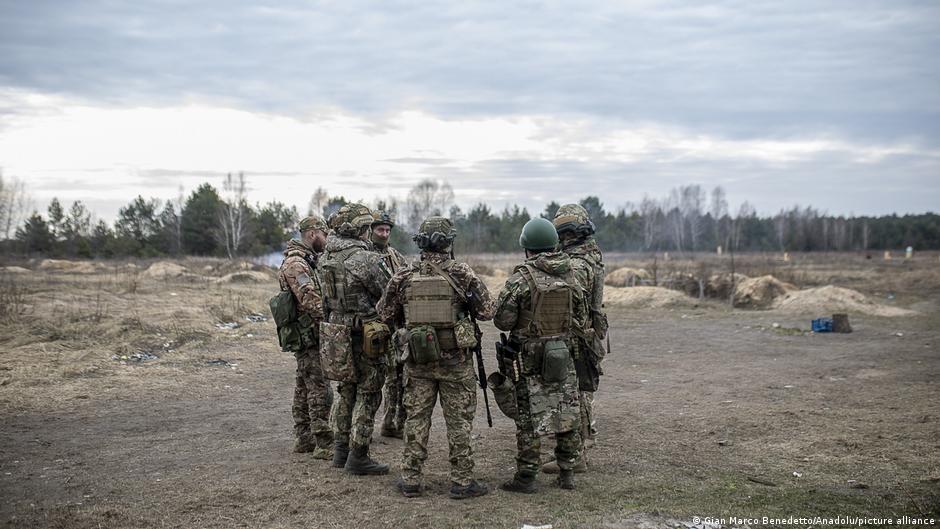
On May 9, a declared ceasefire between Russia and Ukraine provided a temporary lull in active combat operations, yet both sides are actively engaged in rotating and reinforcing their military units. This strategic pause, announced by former U.S. President Donald Trump, was intended to facilitate a humanitarian exchange of prisoners and a cessation of hostilities, but it has also served as a crucial period for both armies to prepare for potential renewed offensives.
Ceasefire as a Tactical Opportunity
According to statements from Ukrainian military spokespeople, the Russian armed forces have indeed quieted their frontline activities during the ceasefire window. Viktor Tregubov, a spokesperson for the Joint Forces Operation (JFO) of Ukraine, noted that Russia is utilizing this pause to conduct troop rotations, resupply efforts, and restore offensive capabilities. This is not a simple stand-down but a deliberate strategic maneuver to strengthen positions ahead of anticipated future operations.
"They are taking a deliberate pause to rotate forces and reinforce their offensive potential," Tregubov explained during a Ukrainian televised marathon.
Simultaneously, Ukraine is also taking advantage of the ceasefire to manage logistics and troop rotations, indicating that both forces are bracing for continued conflict even as temporary hostilities are suspended.
Complications in Prisoner Exchange and Continued Hostilities
The ceasefire was initially introduced after Trump announced an agreement between Russia and Ukraine for a three-day truce from May 9 to 11. Alongside the cessation of fire, an exchange of prisoners was proposed, aiming for a "1000 for 1000" swap. However, on May 9, Russian President Vladimir Putin cast doubt on the feasibility of this exchange, accusing Ukrainian authorities of hesitancy. Moscow reportedly submitted a list of 500 Ukrainian servicemen for exchange on May 5, but Kyiv was said to be unprepared to proceed.
Meanwhile, Russian presidential aide Yuri Ushakov affirmed that prisoner lists are still being finalized, underscoring the complexity of the negotiation process. He also indicated that full-scale military operations would resume once the truce period ended on May 11.
Despite the ceasefire, neither side has fully ceased combat activities. The Russian Ministry of Defense accused Ukrainian forces of using drones to target Russian positions and attempting assaults on occupied territories. Conversely, the Ukrainian General Staff reported that Russian forces conducted 121 attacks during the first 22 hours of May 9, including shelling of border regions in Sumy Oblast and other settlements.
Implications for the Conflict and Wider Geopolitical Context
The use of ceasefires as tactical respites rather than avenues to meaningful negotiations has been a recurring pattern in the Russia-Ukraine conflict. Historically, such pauses can allow militaries to recalibrate and shift momentum. The May 9 truce, coinciding with Russia's Victory Day celebrations, carries symbolic weight and offers a rare window for both militaries to stabilize forces.
However, the failure to achieve a substantial prisoner exchange and the persistence of military provocations highlight the entrenched mistrust and the complex political calculus that constrains conflict resolution. The exchange proposal's scale and the challenges in agreeing on participants reflect broader strategic aims and domestic pressures within both countries.
Economically, continued hostilities and instability directly affect regional trade, investment climates, and reconstruction prospects. The repeated interruptions to peace efforts prolong uncertainty, impacting both countries' economic trajectories and necessitating increased military expenditure at the expense of social and economic development.
In essence, the May ceasefire demonstrates the dual nature of such pauses — while they can temporarily mitigate violence, they also function as strategic interludes for rearmament and preparation, thereby perpetuating the conflict's cyclical dynamics.