BBC Plans 10% Workforce Reduction Amid Media Industry Crisis and Digital Shift
The British Broadcasting Corporation announces staff cuts to address financial pressures and changing media consumption patterns.
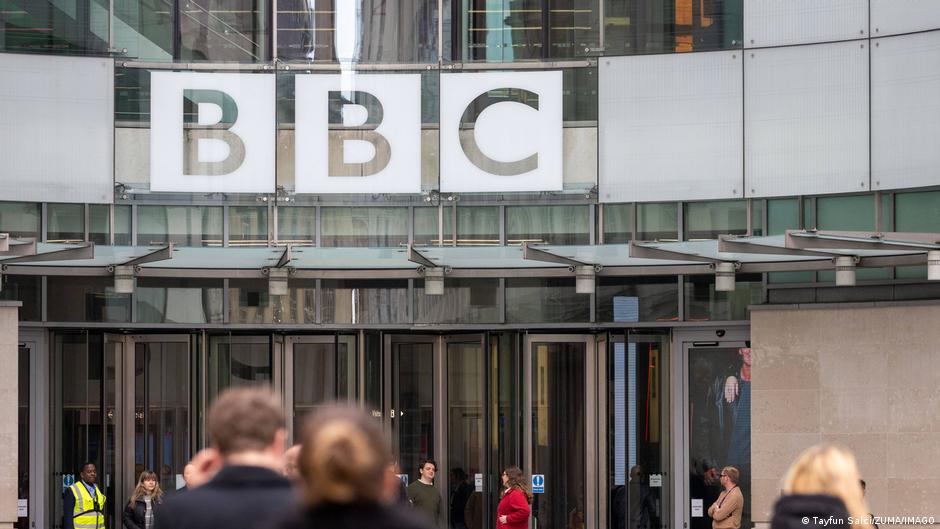
The British Broadcasting Corporation (BBC) is preparing to reduce its workforce by approximately 10% over the next two years, reflecting deep structural changes and financial challenges within the traditional media landscape. According to reports from AFP on April 15, the broadcaster plans to cut between 1,800 and 2,000 jobs as part of a broader strategy to streamline operations and accelerate its digital transformation.
Economic Pressures and Industry Transformation
BBC Director-General Rhodri Talfan Davies confirmed the corporation is under "substantial financial pressure," necessitating operational cost reductions of around £500 million (approximately €575 million). The majority of these savings are expected to materialize during the 2027-2028 fiscal years. This announcement marks a significant pivot for the BBC, which has historically been one of the most stable publicly funded media institutions in the United Kingdom.
“The BBC must adapt to a rapidly changing media environment marked by technological innovation and shifting consumer habits,” Davies stated.
The primary drivers cited for the workforce reductions include a prolonged crisis in the traditional media sector, intensified by the rapid deployment of artificial intelligence technologies and evolving audience consumption patterns. Since 2017, the BBC has experienced a 24% decline in revenue from the television license fee, a critical funding source paid by UK households. This decline underscores a broader trend of diminishing public funding and challenges to established revenue models.
Simultaneously, the BBC faces mounting competition from global streaming services and online media platforms, which provide subscription-based access to vast content libraries. These services have dramatically altered audience expectations and engagement, forcing traditional broadcasters like the BBC to reconsider their strategic positioning.
Strategic Reorientation and Digital Focus
In response, the BBC has announced plans to overhaul its organizational structure, prioritizing investment in digital platforms and innovative content formats. This includes a focus on expanding its streaming service, iPlayer, and developing news applications tailored for online consumption. The corporation's long-term strategy involves scaling back certain legacy television and radio channels in favor of these emerging digital services.
This shift not only affects content distribution but also has profound implications for the BBC's workforce composition and skill requirements. The transition reflects a broader industry-wide trend where media entities must balance legacy operations with the demands of an increasingly digital-first audience.
Historically, the BBC has been emblematic of public service broadcasting, funded through a license fee model unique to the UK. The current challenges highlight structural vulnerabilities inherent in this funding mechanism, especially as younger audiences migrate away from traditional broadcast consumption. The BBC’s experience also parallels wider transformations in the global media economy, where legacy institutions are compelled to adapt rapidly to preserve relevance and financial viability.
Ultimately, the BBC's planned job cuts and strategic reorientation reflect the complex interplay between technological innovation, consumer behavior shifts, and fiscal constraints. How successfully the corporation navigates this transition may offer critical lessons for other public broadcasters worldwide facing similar pressures.