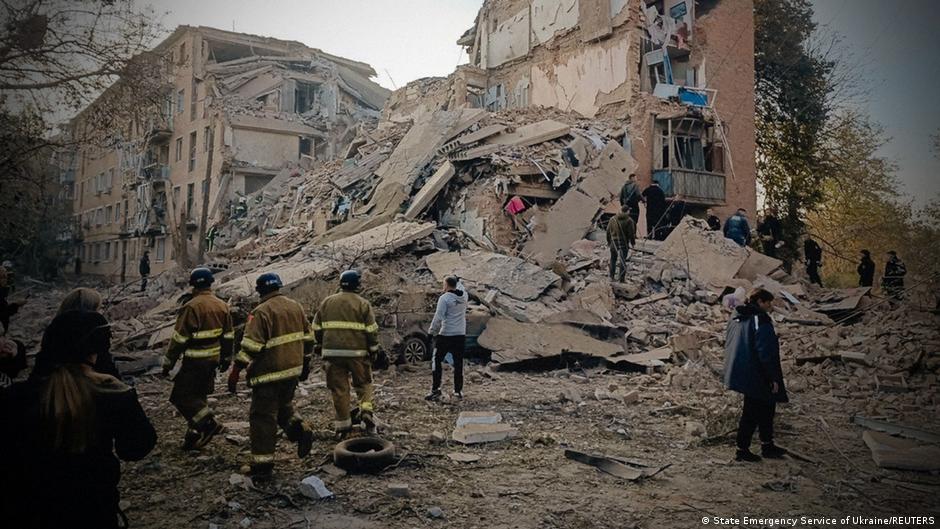
Casualties Rise to 21 After Strike on Pedagogical University Dormitory in Starobilsk
The attack on educational facilities in Starobilsk resulted in 21 deaths and 63 casualties, raising concerns about civilian impacts in conflict zones.
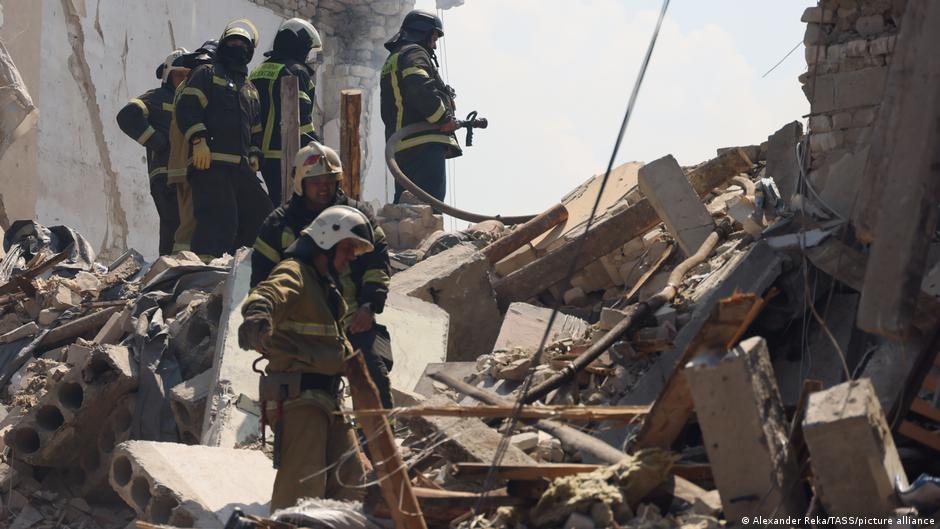
On May 22, a strike targeting the pedagogical university campus in Starobilsk caused significant casualties, with the number of fatalities rising to 21 according to the Russian Ministry of Emergency Situations (EMERCOM). Among the victims were students aged 14 to 18, underscoring the tragic toll on young civilians amid ongoing hostilities.
The emergency response teams recovered an additional five bodies from the rubble of the dormitory on May 23, concluding the search and rescue operations as no further survivors were found. The total number of injured and deceased reached 63 individuals.
Context and Conflicting Narratives
The targeted facilities included a college and the dormitory of the pedagogical university's professional college. Russian-appointed authorities in the self-declared Luhansk People's Republic (LPR) stated that Ukrainian drones executed the attack. At the time of the strike, 86 students reportedly resided in the dormitory.
Conversely, Ukrainian sources dispute the civilian nature of the targeted buildings. The Telegram channel Exilenova+ claimed that Russian military forces utilized these structures for military purposes. On the evening of May 22, the Ukrainian General Staff issued a statement labeling Russian media reports as manipulative.
"On the night of May 22, 2026, a strike was carried out against several Russian aggression-related targets, including an oil refinery, ammunition depots, air defense assets, command posts, and personnel—specifically one headquarters of the 'Rubicon' unit near Starobilsk," the General Staff said.
The statement pointed out that the 'Rubicon' unit specializes in drone operations but did not clarify if the headquarters was located within the affected educational facilities.
Broader Economic and Structural Consequences
The destruction of educational infrastructure and loss of young lives have profound economic and social ramifications. The repeated targeting of civilian institutions disrupts human capital development, undermining the region’s long-term economic prospects. Education institutions serve as critical nodes in regional economies, fostering skill development and providing employment.
Historically, conflicts that degrade education systems witness a cyclical pattern of economic stagnation and diminished social mobility, exacerbating structural inequalities. The attack in Starobilsk exemplifies the severe collateral damage modern asymmetrical warfare inflicts on civilian sectors—damage that hinders post-conflict recovery and development.
Moreover, the conflicting narratives between the involved parties complicate accurate assessment and accountability, affecting international responses and potential reconstruction funding. The ambiguity surrounding military use of civilian infrastructure further blurs legal and ethical boundaries, raising questions about the protection of non-combatants under international law.
In economic terms, the destruction of facilities like the pedagogical university's dormitory not only results in immediate reconstruction costs but also inflicts long-term losses in human capital formation. This deprives the local economy of a skilled workforce necessary for recovery and resilience, perpetuating cycles of poverty and underdevelopment.
As the conflict continues, the structural economic damage accumulates, emphasizing the urgent need for conflict resolution mechanisms that prioritize civilian protection and infrastructure preservation to safeguard future economic stability.