Fuel Price Surge in Crimea Highlights Structural Energy Challenges in Russia
In early July, gasoline prices in annexed Crimea nearly doubled, underscoring broader supply disruptions and policy shifts within Russia’s fuel markets.
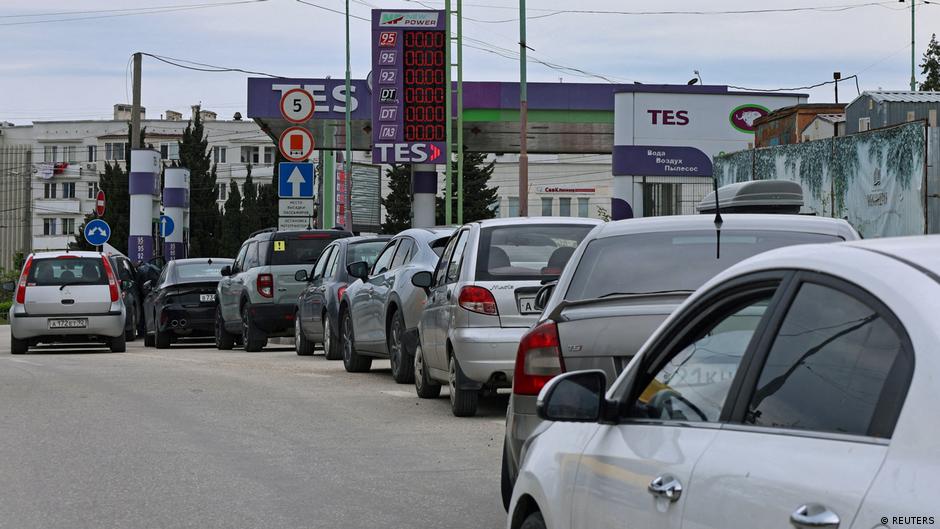
According to a recent report by the Russian Federal State Statistics Service (Rosstat), gasoline prices in Crimea, the peninsula annexed by Russia in 2014, surged by an average of 78.4% in the first week of July 2026. The popular AI-95 grade gasoline saw an even sharper increase of 92%, rising from 88.82 rubles per liter to 170.59 rubles.
Historical Context and Regional Disparities
This dramatic price spike in Crimea is notable not just for its magnitude but also as a reflection of Russia's wider fuel supply challenges. Previously, the city of Sevastopol, also annexed in 2014, had experienced the highest fuel price growth rates, but this time Crimea leads the trend.
Across other Russian regions, prices vary significantly. In the Republic of Tuva, gasoline prices exceed 100 rubles per liter across all grades. Meanwhile, regions such as Kalmykia, Dagestan, Kabardino-Balkaria, Chechnya, and Kamchatka have seen AI-95 prices surpass 90 rubles per liter. The AI-92 grade is priced above 80 rubles in Magadan, Kamchatka, Yakutia, Tyumen, and several other regions, highlighting persistent regional disparities driven by logistics, infrastructure, and local market conditions.
Overall, from June 30 to July 6, 2026, fuel prices in Russian-controlled territories increased by 2.1% for gasoline and 3.4% for diesel, continuing a five-week trend of price growth. Ivanovo region ranks second after Crimea with a 19% increase during the same period.
"The rapid escalation of fuel prices in annexed Crimea underscores the vulnerability and fragmentation of Russia's domestic fuel supply chains, exacerbated by growing external pressures and internal logistical constraints."
Structural Causes and Policy Responses
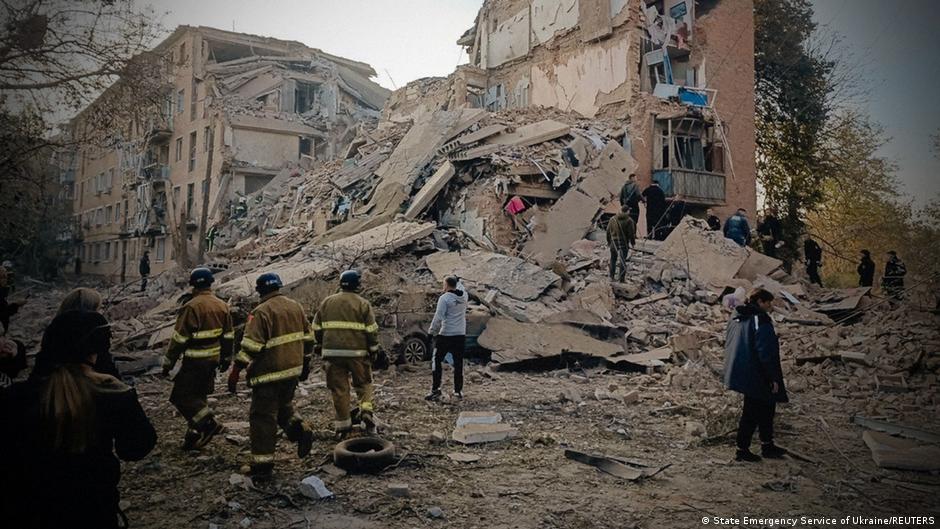
The sharp rise in prices coincides with a growing energy crisis in Russia, intensified by frequent Ukrainian attacks on key oil refining and energy infrastructure since late May 2026. These assaults have led to acute shortages of gasoline and diesel across the country. Long queues at fuel stations and closures have become common, affecting nearly 60 regions, including occupied Ukrainian territories.
In response, Russian authorities imposed an export ban on diesel fuel from July 8 to 31, 2026, including restrictions on producers who previously were exempt. This measure aims to stabilize domestic fuel markets amid the ongoing crisis.
The government also relaxed environmental standards by permitting the sale of “Euro-3” class fuels through the end of 2026. These fuels have substantially higher sulfur content—up to 150 mg/kg in gasoline and 350 mg/kg in diesel—compared to the modern “Euro-5” standard capped at 10 mg/kg. This rollback reflects a compromise between environmental considerations and urgent supply needs.
Long-Term Implications and International Reliance
The fuel shortage has pushed Russia to increase imports of petroleum products. Recent shipments from India total nearly 60,000 tons of gasoline delivered by sea, while negotiations are ongoing with Kazakhstan. Additionally, Russia plans to procure batches of aviation fuel from Japan via intermediary trading chains.
These developments highlight the structural challenges in Russia’s energy sector. Despite its status as a major oil producer, the country faces critical vulnerabilities due to infrastructure disruptions, logistical bottlenecks, and geopolitical pressures.
The crisis in Crimea’s fuel prices serves as a microcosm of broader systemic issues within Russia’s energy markets. It illustrates how regional disparities, combined with external conflicts and policy constraints, can sharply impact fuel availability and affordability. For the Russian economy, heavily reliant on energy exports and domestic fuel stability, these challenges pose significant risks to economic growth and social stability moving forward.