US Signals Economic Reengagement by Removing Syria from Terrorism Sponsor List
The US administration plans to lift sanctions on Syria, paving the way for investments and economic reintegration after years of isolation.
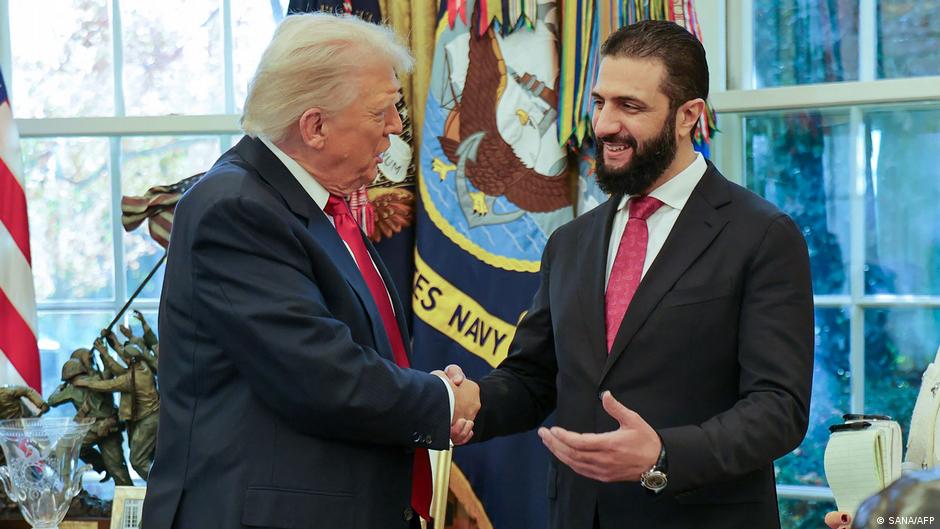
In a significant policy shift with far-reaching economic implications, the United States has announced intentions to remove Syria from its list of state sponsors of terrorism. This move, confirmed in a letter from President Donald Trump to Syria's interim president Ahmed al-Sharaa, signals the potential reopening of Syria’s economy to American and allied investments after more than a decade of sanctions and conflict-induced isolation.
Historical Context and Strategic Economic Consequences
The designation of Syria as a state sponsor of terrorism has long restricted US aid, military exports, and financial transactions with the country. This status not only constrained Syria’s foreign relations but also stifled its capacity for economic recovery following years of civil war and regime change. The decision to revoke this label, following personal diplomatic engagements including a historic meeting between Trump and al-Sharaa at the NATO summit in Ankara and a prior encounter at the White House, marks a profound shift in US foreign economic policy towards Syria.
"We have American companies ready to invest in Syria and help make your country greater and more prosperous than ever," Trump wrote in his letter, emphasizing the economic opportunities that lie ahead.
The policy change comes amid broader geopolitical realignments and signals a willingness by the US to integrate Syria back into the global economic system. Several Saudi Arabian companies have already expressed their intent to participate in Syria's reconstruction, underscoring a regional economic pivot towards rehabilitation and development.
Moreover, the withdrawal of US military forces from Syrian territory, completed by April 2026, further underscores the transition from a conflict and security focus towards economic normalization. The formal handover of military facilities to Syrian authorities was acknowledged by both Damascus and US Central Command, with assurances that anti-terrorist operations would continue through partner-led initiatives rather than direct US military presence.
This recalibration of policy highlights the structural economic consequences for Syria. The lifting of sanctions will unlock access to foreign capital, technology, and markets essential for rebuilding infrastructure, reviving industry, and stimulating employment. It also sets a precedent for how geopolitical considerations intersect with economic incentives in post-conflict zones, where foreign aid and investment become tools of influence and reintegration.
Broader Regional and Economic Implications
The US administration’s engagement with Syria could catalyze broader regional stability and economic growth. Syria’s reintegration into international trade and finance networks may encourage neighboring states to deepen their economic ties, promote labor mobility, and enhance regional supply chains disrupted by years of conflict.
However, the economic rehabilitation process is likely to be complex. Challenges include addressing war-induced infrastructural damage, restoring governance, and managing the interests of multiple internal and external actors vying for influence and profit. The lifting of sanctions removes a significant barrier but does not automatically guarantee swift economic recovery.
From a historical perspective, parallels can be drawn to post-conflict recoveries where sanctions relief preceded economic revitalization, such as in post-Apartheid South Africa or post-war Vietnam. In both cases, reintegration into the global economy was a critical step towards sustainable growth, though contingent upon political stability and effective governance.
As economic analysts observe these developments, the key questions remain: how will Syria leverage newfound access to international capital, and what structural reforms will be necessary to ensure lasting prosperity? The US decision marks the beginning of a new chapter but also underscores the intricacies of translating diplomatic breakthroughs into tangible economic outcomes.
In sum, the removal of Syria from the terrorism sponsor list appears less as a mere diplomatic gesture and more as a strategic economic recalibration with potential to reshape the country’s post-conflict trajectory and the broader dynamics of Middle Eastern development.