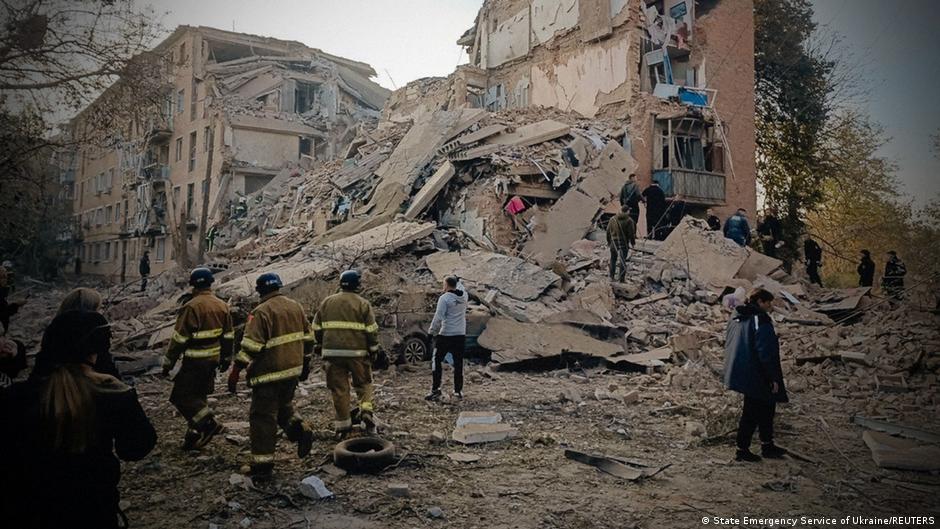
US Military Launches New Strikes on Iran Amid Heightened Tensions in Strait of Hormuz
Washington intensifies offensive operations targeting Iran’s maritime interference capabilities amid escalating sanctions and regional confrontations.
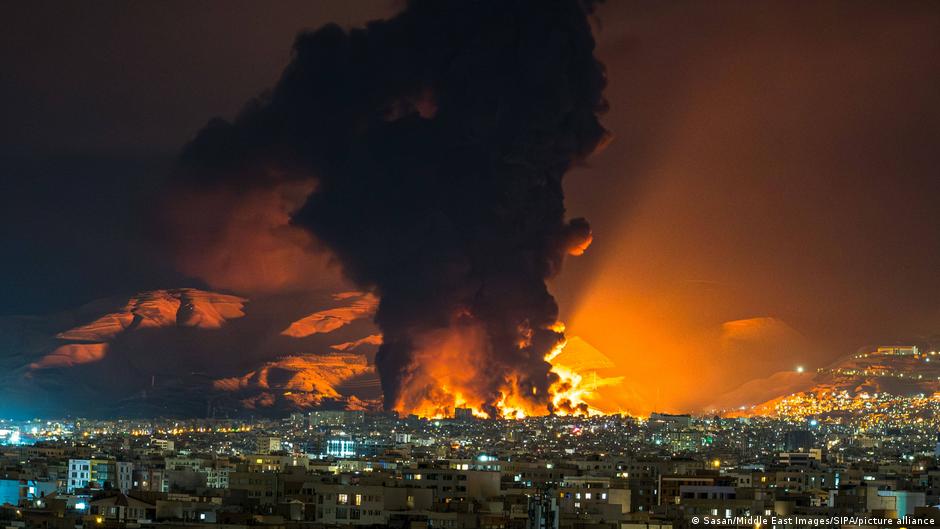
The United States military has initiated a new wave of strikes against Iran, aiming to curtail Tehran's ability to disrupt shipping in the strategically vital Strait of Hormuz. The order for these attacks was reportedly issued by President Donald Trump himself, signaling an escalation in the ongoing conflict between the two nations.
According to the US Central Command (CENTCOM), the latest offensive is intended to restrict Iran’s capacity to interfere with maritime traffic passing through the Strait, a key global oil transit chokepoint. While specific details about the targeted sites have not been released, the strikes follow a series of earlier attacks that hit more than 80 Iranian targets. These included air defense systems, communication networks, coastal radar installations, anti-ship missile defenses, and over 60 boats belonging to the Islamic Revolutionary Guard Corps (IRGC).
Strategic Implications of US-Iran Confrontation in the Strait of Hormuz
The Strait of Hormuz remains a geopolitical flashpoint due to its critical importance for global energy supplies. Approximately one-fifth of the world’s petroleum passes through this narrow waterway, making any disruption a potentially significant shock to international markets.
"The US strikes represent a calculated attempt to degrade Iran’s asymmetric naval capabilities and to reinforce freedom of navigation in a region fraught with historical tensions," says a regional security analyst.
Following the US attacks, Iran accused Washington of violating the fifth clause of the memorandum on free navigation through the Strait, pledging to defend its sovereignty and national interests. Iranian officials condemned US unilateral actions as aggressive and a breach of prior agreements, escalating tensions further.
In response to the initial US strikes, the IRGC claimed responsibility for retaliatory attacks on American military targets located in Kuwait and Bahrain, signaling the potential for a broader regional conflict. This tit-for-tat exchange underscores the fragility of peace efforts in the Gulf.
Adding to the economic pressures, the US government reinstated sanctions targeting Iranian oil exports shortly before the new military operation, reversing a recent relaxation. This combination of military and economic measures illustrates the multifaceted US strategy to compel Tehran towards concessions.
President Trump’s remarks at the NATO summit reinforced a hardline stance, declaring an end to any effective ceasefire and dismissing negotiations with Iran as futile. Despite this, he allowed for continued diplomatic dialogue should US negotiators choose to pursue it.
The immediate catalyst for the US military escalation was a series of attacks attributed to Iran on several commercial vessels in the Strait. One tanker reportedly suffered damage from a drone strike, while a Qatari liquefied natural gas tanker sustained serious injuries from an unidentified projectile. These events have heightened fears over maritime security and fuel price volatility.
Efforts to stabilize the region have included a memorandum signed by Washington and Tehran, which outlined a 60-day window for resolving key issues such as Iran’s nuclear program, US troop withdrawals from neighboring countries, and transit fees for ships passing through the Strait. However, no substantial progress has been reported since the agreement.
Additionally, Iran has yet to grant Western nations permission for comprehensive demining operations in the Strait, limiting vessels to navigating just two narrow channels. This restriction has significantly reduced shipping volumes, which remain below half the pre-conflict levels despite US assurances of open passage.
The ongoing confrontations in the Strait of Hormuz highlight the complex interplay between military action, economic sanctions, and diplomatic negotiations. The persistent instability poses risks not only to regional security but also to the global energy market and international trade flows.
As the situation unfolds, the international community faces the challenge of balancing deterrence with dialogue to prevent further escalation and ensure the uninterrupted flow of critical resources through this vital maritime corridor.