CIA Director Highlights Drastic Reduction in Russian Soldier Survival Due to AI Drone Warfare in Ukraine
Advanced AI-driven drones have drastically shortened the frontline lifespan of Russian recruits in Ukraine, altering the conflict's military and economic landscape.
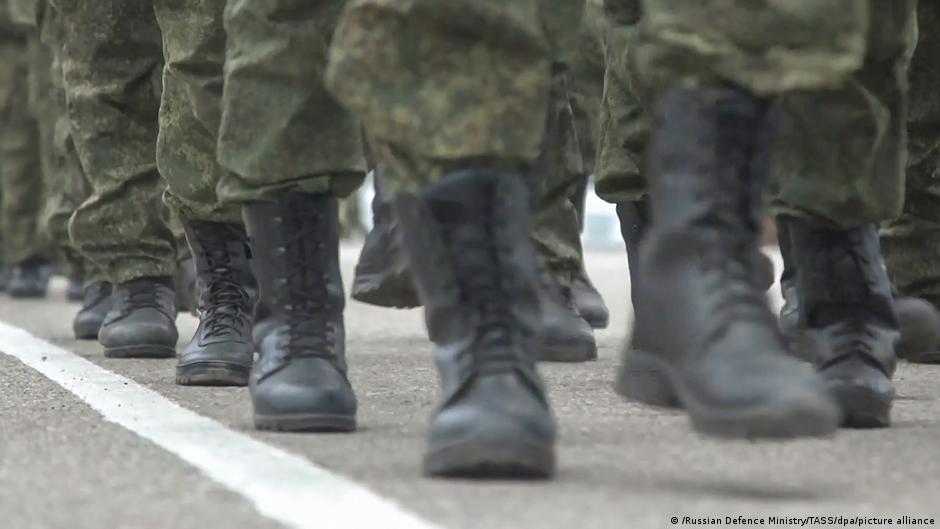
According to CIA Director John Ratcliffe, the average survival time of a newly deployed Russian soldier on the battlefield in Ukraine is shockingly brief—estimated at just 20 to 30 minutes. This stark statistic underscores a significant shift in modern warfare dynamics, driven largely by the integration of artificial intelligence (AI) in unmanned aerial vehicles (UAVs).
AI Drone Warfare as a Game-Changer in the Ukraine Conflict
Speaking at the Defense and Innovation Summit in Pennsylvania on July 15, Ratcliffe emphasized that this reduction in soldier survivability aligns with open-source reports from the Ukrainian theater. The proliferation of specialized, cost-effective AI-powered drones has transformed them into highly efficient "machines for killing," making conventional troop deployments increasingly vulnerable.
"Our intelligence corresponds with open-source observations that AI-enabled drones have become specialized and inexpensive killing machines," Ratcliffe stated.
Ukraine’s rapid adoption and mastery of these emerging technologies have been a critical factor in leveling the battlefield against a numerically and technologically superior adversary. This shift has notably slowed the pace of Russian military advances, reflecting a broader transformation in the mechanics of attrition warfare.
Independent analysis from the Washington-based Center for Strategic and International Studies (CSIS) reveals a dramatic escalation in Russian personnel losses. By 2026, Russian forces were reportedly losing soldiers at eight times the rate of their Ukrainian counterparts. Since the beginning of the full-scale invasion in February 2022, total casualties—killed, wounded, or missing—have reached nearly 2 million, with approximately 1.4 million attributed to Russian forces.
While casualty ratios between the two sides hovered mostly between 2:1 and 3:1 during earlier phases, the first half of 2026 saw an alarming rise to an estimated 8:1 in favor of Ukrainian forces. Intriguingly, over 90% of Russian casualties are now attributed to drone strikes rather than direct ground confrontations.
Economic and Structural Consequences of Drone-Driven Attrition
The implications of these developments extend beyond immediate battlefield outcomes. The accelerated attrition of Russian personnel reshapes military logistics, recruitment, and defense investment strategies. The increased reliance on drones—both in terms of innovation and production—necessitates significant reallocation of resources within defense sectors, potentially diverting funding from other areas of the economy.
Historically, rapid shifts in warfare technology have precipitated broader economic transformations. The escalation in drone utilization mirrors past paradigm shifts such as the introduction of mechanized warfare in World War I, which drastically altered military-industrial priorities and labor markets.
Moreover, the psychological and social consequences of such high turnover among conscripted soldiers could strain Russia’s demographic and socio-political fabric, complicating recruitment and morale. It may also accelerate efforts to develop or acquire counter-drone technologies, further intensifying the technological arms race in the region.
In summary, the deployment of AI-powered drones in Ukraine is not only reshaping the tactical landscape but also heralding profound structural and economic effects that will influence the conflict’s trajectory and post-war reconstruction efforts.