US Gas Proposal Tests Europe’s Postwar Energy Strategy and Economic Resolve
A reported US peace proposal would restore Russian pipeline gas to Europe, challenging the EU’s 2027 phaseout and reopening the debate over cost and dependency.

A reported US peace proposal would restore Russian pipeline gas to Europe, challenging the EU’s 2027 phaseout and reopening the debate over cost and dependency.

The attack disrupted energy, digital, power and transport infrastructure, exposing the economic risks created by concentrated urban networks.

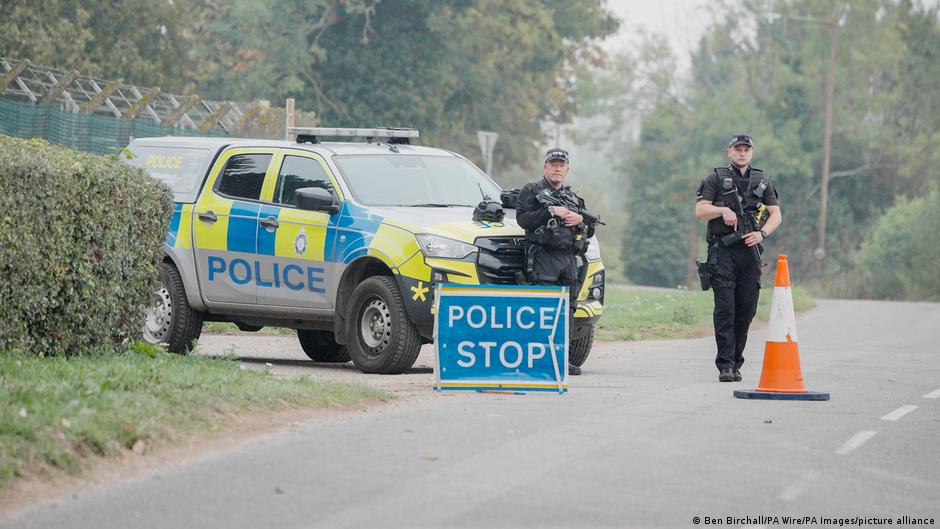
The suspected arson attack near Warsaw shows how limited physical sabotage can generate wider costs for infrastructure security, insurers and European governments.

Russia’s designation of two StopTime musicians as “foreign agents” shows how political enforcement can reshape cultural work and accelerate creative migration.

Five drone incursions in one day highlight the mounting security, fiscal and investment risks Moldova faces as Russia’s war against Ukraine spills across borders.

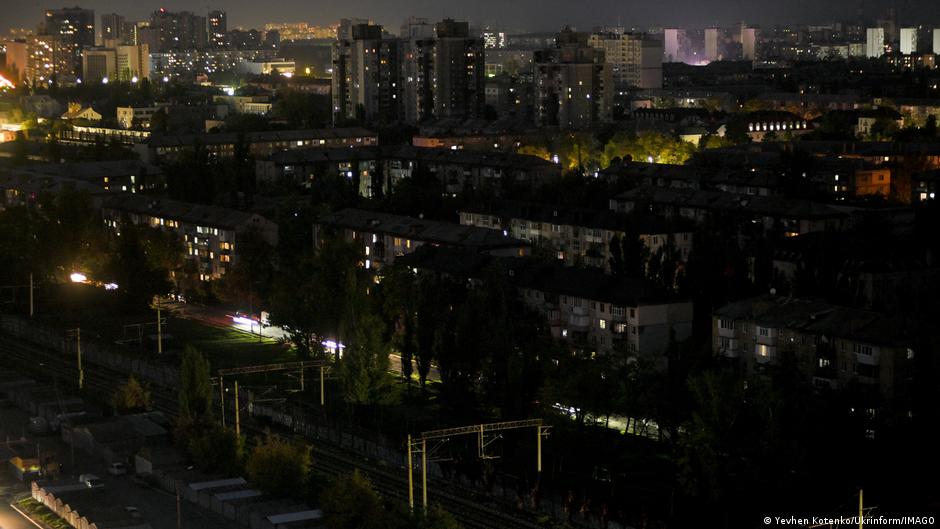
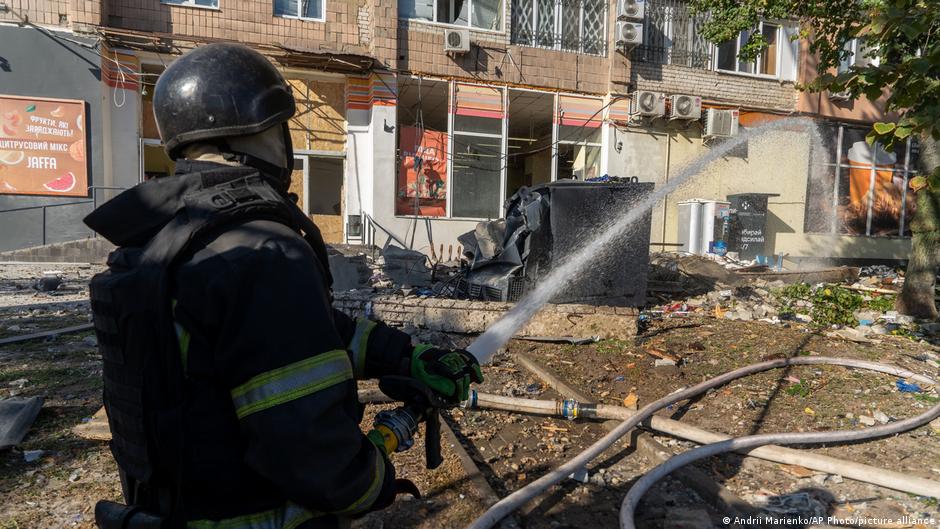
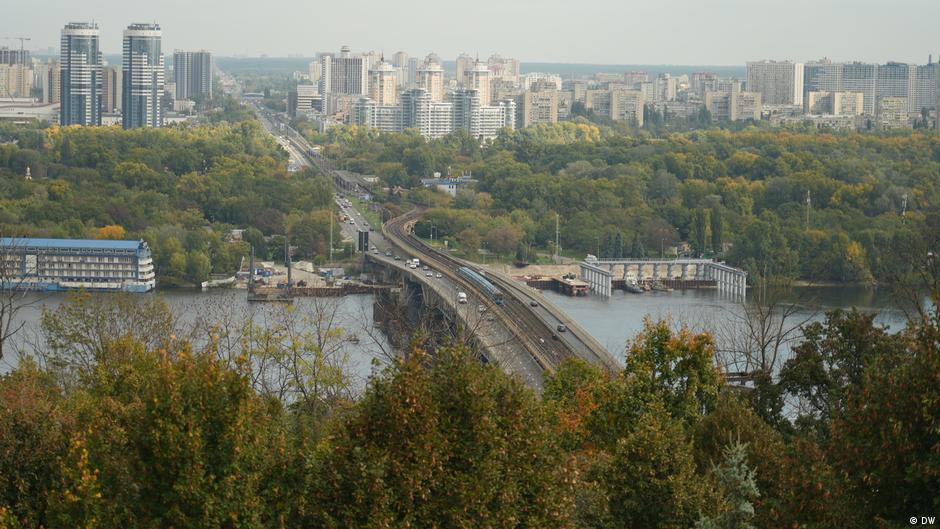
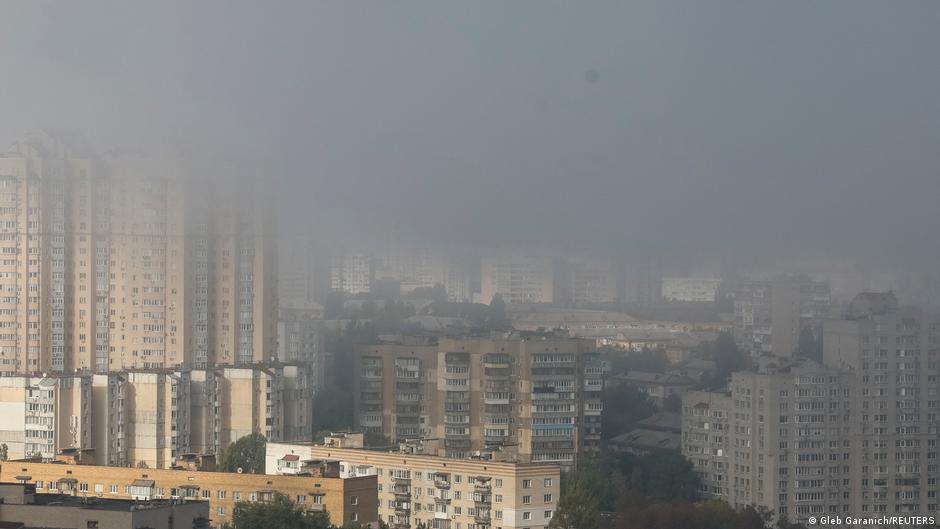
Russian attacks disrupted electricity and water services in Kyiv and Lutsk, exposing the economic vulnerability of Ukraine’s interconnected urban infrastructure.

ECB approval gives UniCredit a route to control Commerzbank, testing Europe’s banking integration against German concerns over jobs and business lending.

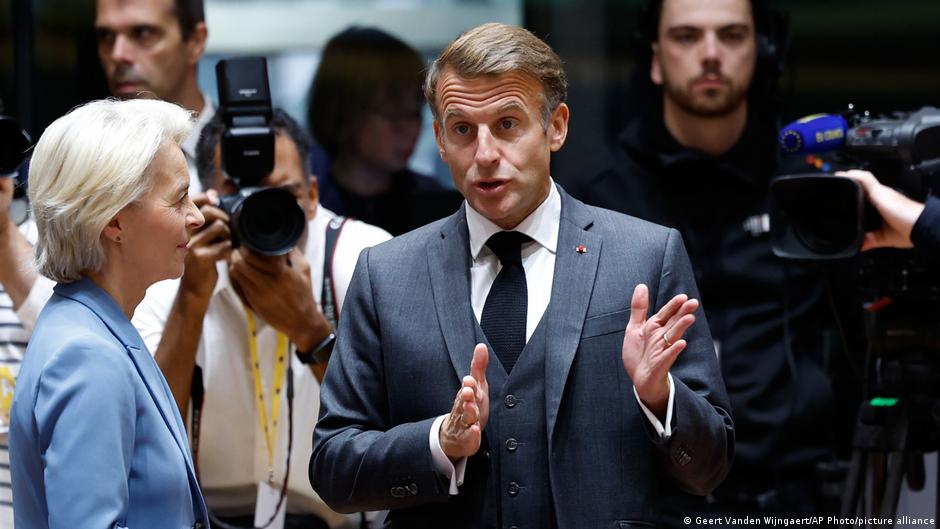
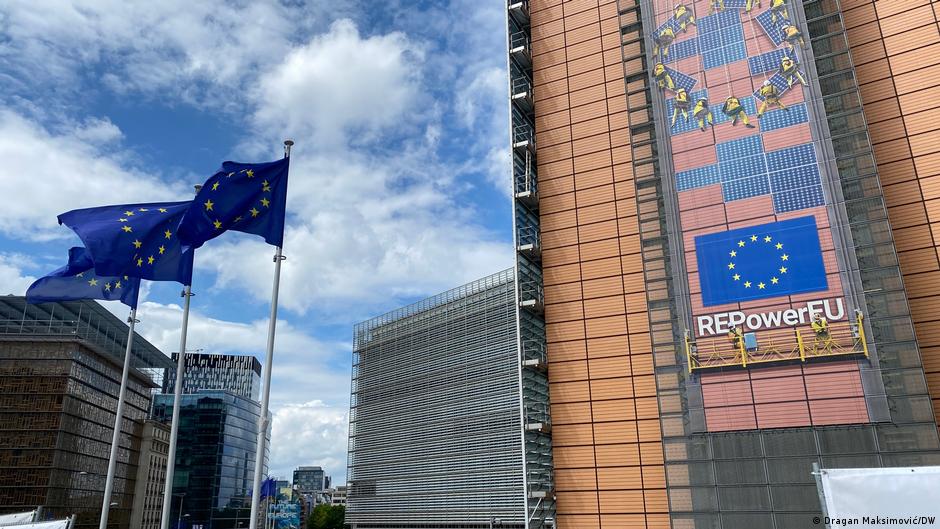
EU leaders remain divided over a nearly €2 trillion seven-year budget as fiscal restraint, proposed bloc-wide levies and election risks complicate a compromise.

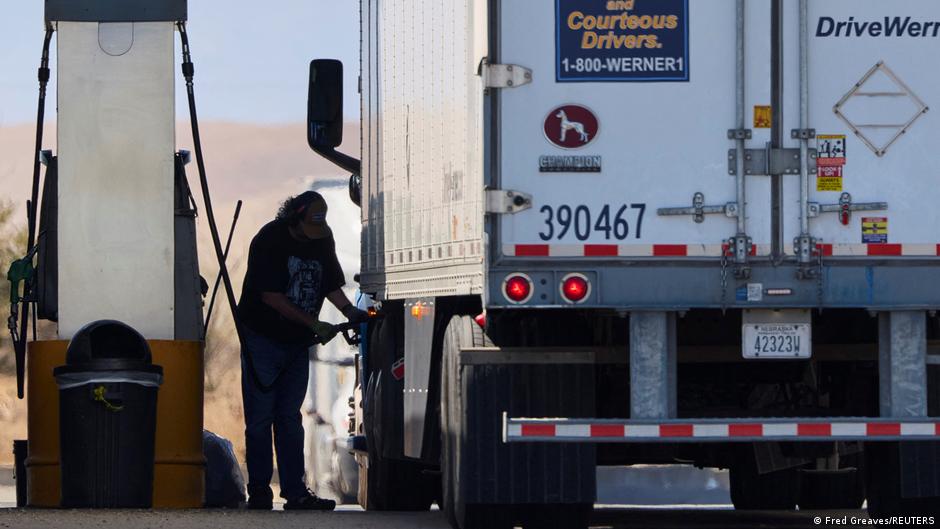
A bipartisan group of U.S. senators says Trump’s Russian diesel deal would aid Moscow while offering little relief to American fuel consumers.

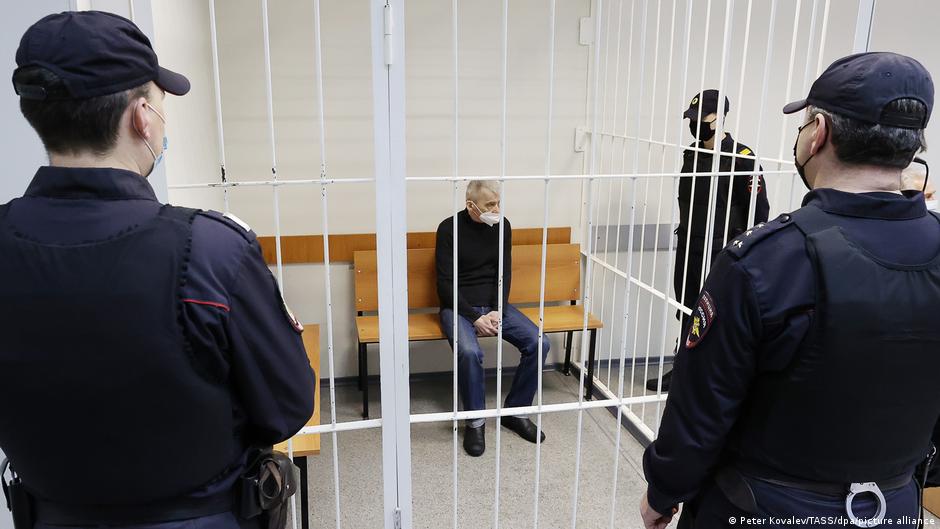
Yury Dmitriev was returned to a Russian penal colony without a diagnosis after suspected stroke symptoms, rights advocates said.

Finland’s foreign minister is pressing the EU to halt Russian tourist visas, framing mobility as part of Europe’s sanctions response.

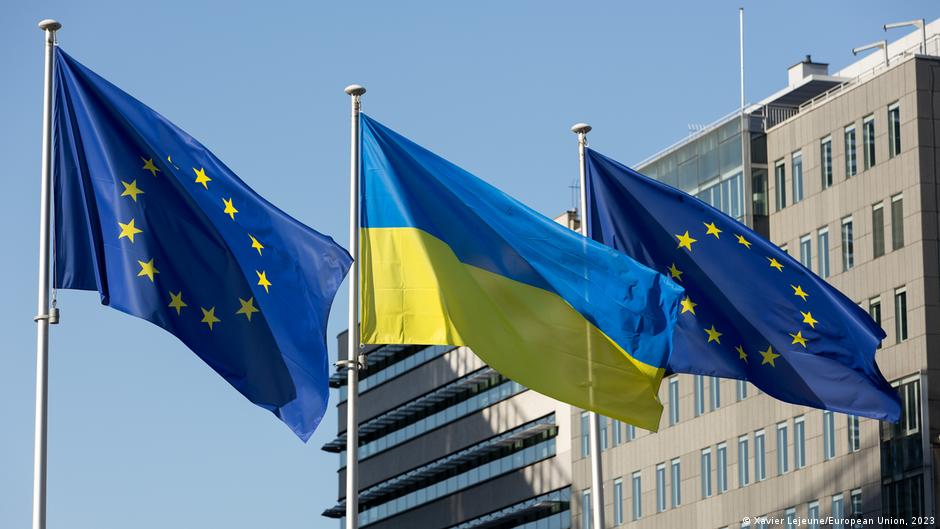
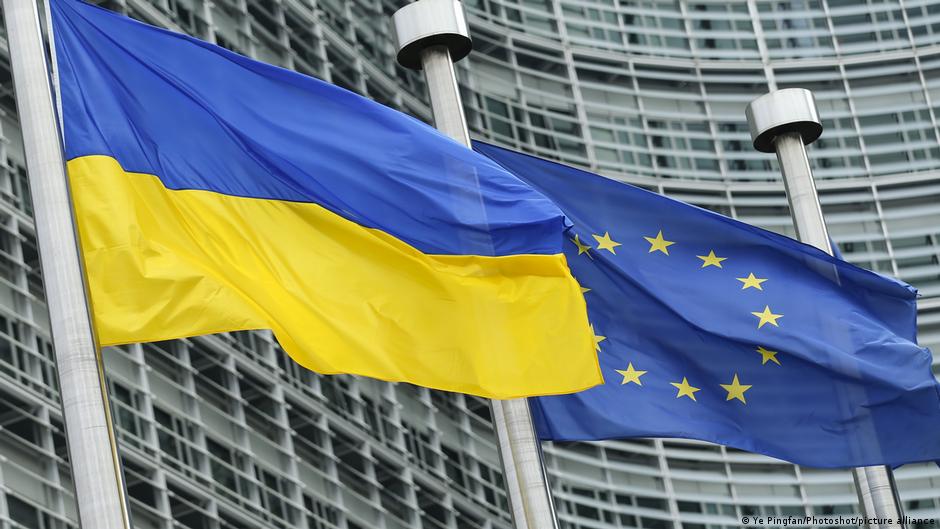
EU states agreed to open internal market and competitiveness accession clusters for Ukraine and Moldova, deepening reform and economic integration talks.

Trump said Putin is more interested than Zelensky in a Ukraine peace deal, while Kyiv urged U.S. pressure over Russia’s energy ceasefire violations.

Reported U.S. pressure over Ukraine’s PURL weapons pipeline turns refinery strikes and an energy truce into a test of economic leverage.

The EU is preparing new funding for Ukrainian drones and missiles as Brussels links wartime defense needs with long-term financing and reforms.

Germany’s long-term welfare rolls have reignited debate over Bürgergeld, work requirements and the structural barriers keeping people out of work.

Palestinian elections have been delayed until September 2027, extending political uncertainty around Gaza’s governance and reconstruction.

A U.S. strike disabled a Panama-flagged cargo ship near Iran, deepening Gulf trade risks as tanker attacks and fuel prices add economic pressure.

A bipartisan House bill would seek to ban Russian oil purchases after Trump announced an agreement on Russian diesel supplies.

Zelensky warned that a U.S.-Russia diesel deal could strengthen Moscow’s war economy unless tied to clear de-escalation commitments.

Two Latvian citizens were detained after breaching RAF Molesworth, prompting scrutiny of security risks around NATO and US-linked facilities in Britain.

Ukraine will discuss a new war-ending proposal with Trump envoys as Kyiv presses for sanctions, Starlink access and economic pressure on Russia.

Kyiv’s mayor urged some residents to consider temporary relocation as Russian strikes threaten water, heating, energy and transport systems.

MEPs backed a €115 million Agile programme to speed support for European SMEs developing disruptive defence technologies.

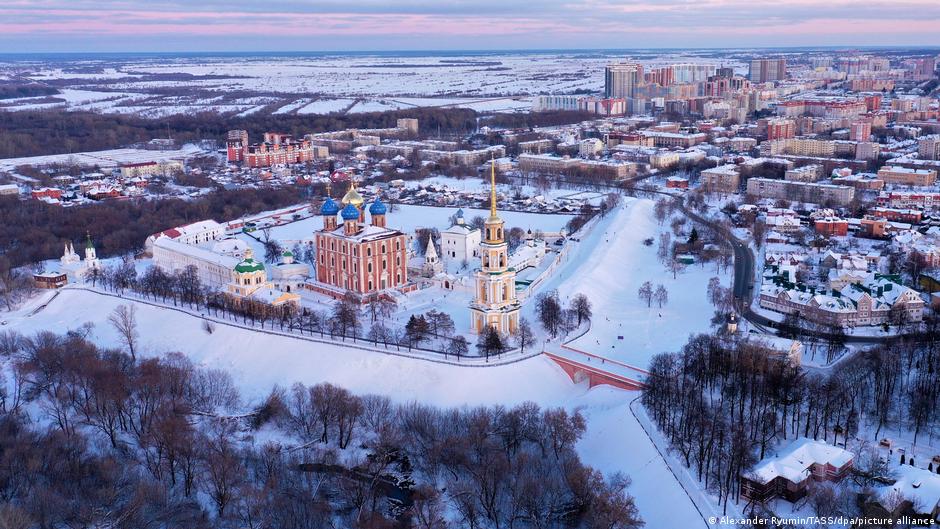
Astra reported a fire at the Sasta plant in Ryazan region, a sanctioned CNC machine-tool site that also hosts a Yandex DC data center.

A tanker fire near Sochi exposes the mounting economic risks around Black Sea shipping, Russian oil exports and shadow-fleet logistics.

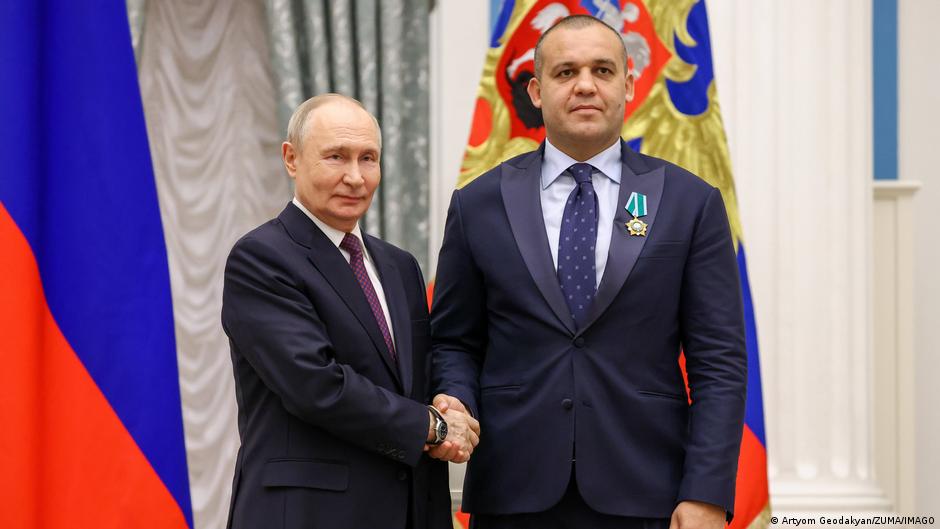
Umar Kremlev says Donald Trump Jr. repaid wedding-event costs, but the episode keeps scrutiny on political access and private finance.

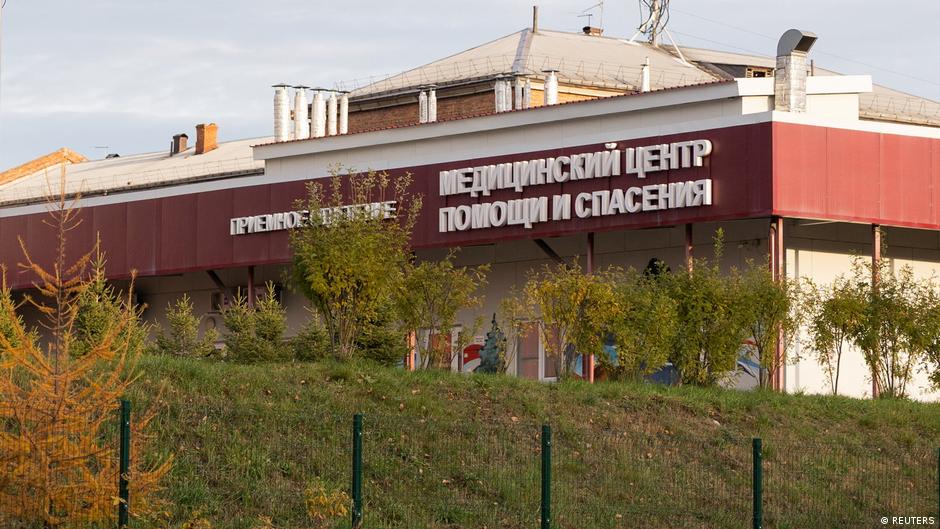
A reported possible plague-linked death in Irkutsk has prompted WHO inquiries, hospital quarantines and a planned Trump-Putin call.

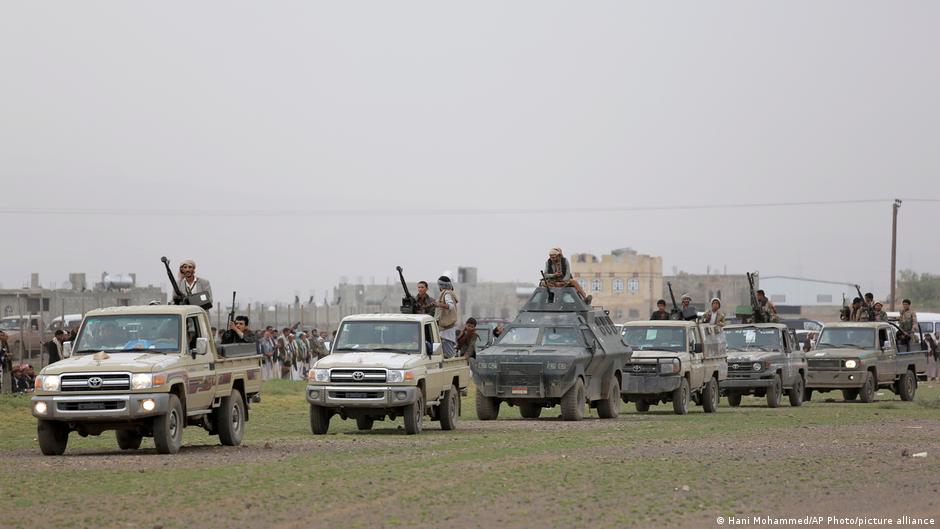
Yemen’s government says it is advancing near Mocha, while Houthis claim gains and strikes inside Saudi Arabia, raising risks for trade and energy.

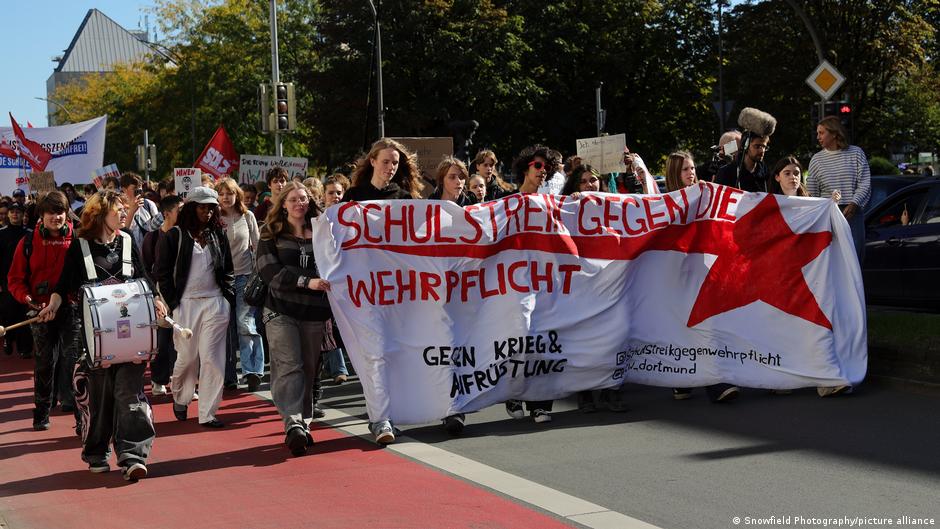
Germany recorded more than 12,000 military service refusal declarations in eight months as recruitment reform reshapes the Bundeswehr debate.

Trump said the U.S. is ready to help Russia as reports from Irkutsk raised public-health concerns and prompted border precautions in Central Asia.

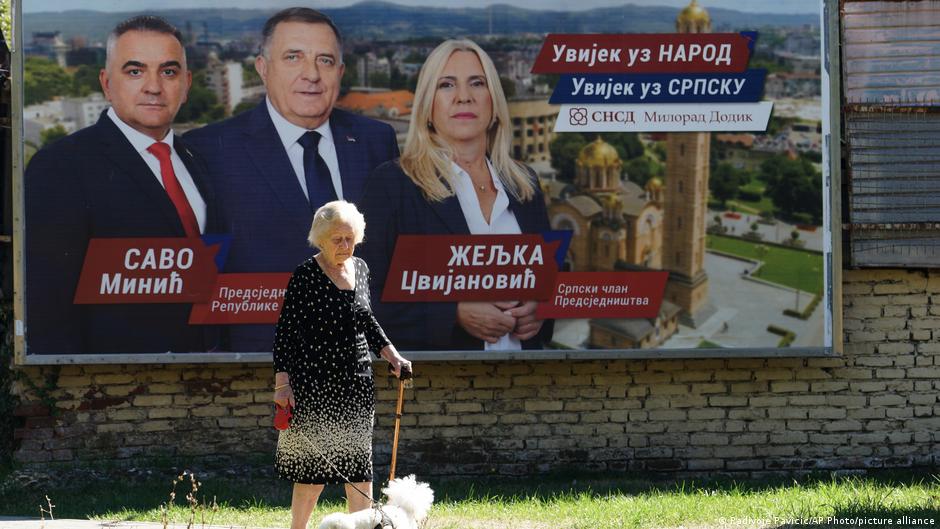
Ruling parties and Milorad Dodik’s allies prevailed in Bosnia’s elections, reinforcing continuity within the country’s fragmented Dayton system.

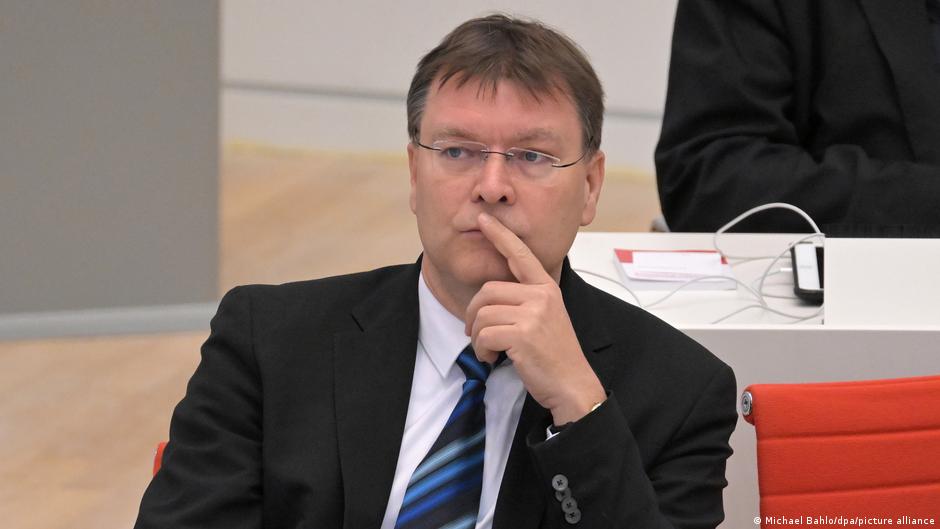
BSW lawmaker Sven Hornauf plans delegations to Belarus and Russia to revive twin-town links suspended after the war in Ukraine.

Brazil’s presidential race heads to an October 25 runoff after Flavio Bolsonaro led Lula da Silva in the first round with 47.03 percent.

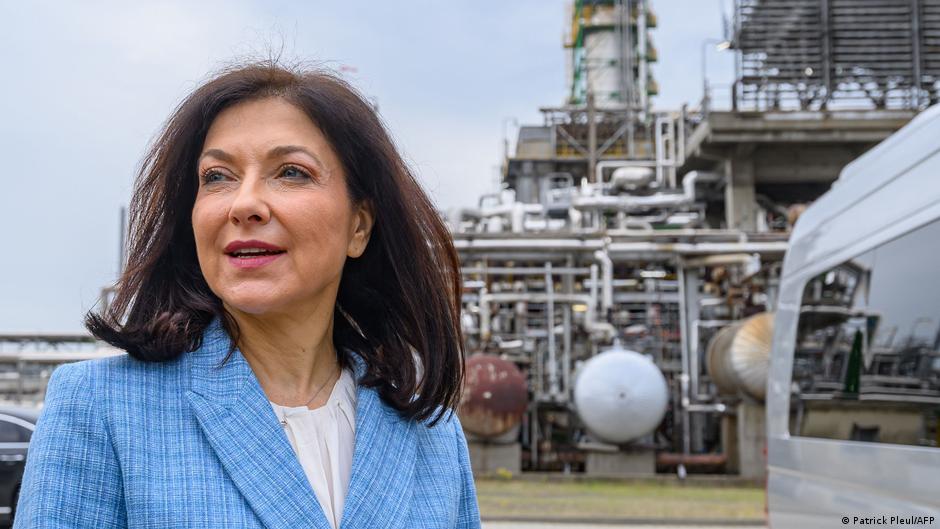
Katherina Reiche warned that the Left Party’s Berlin victory and expropriation plans could harm Germany’s investment climate.

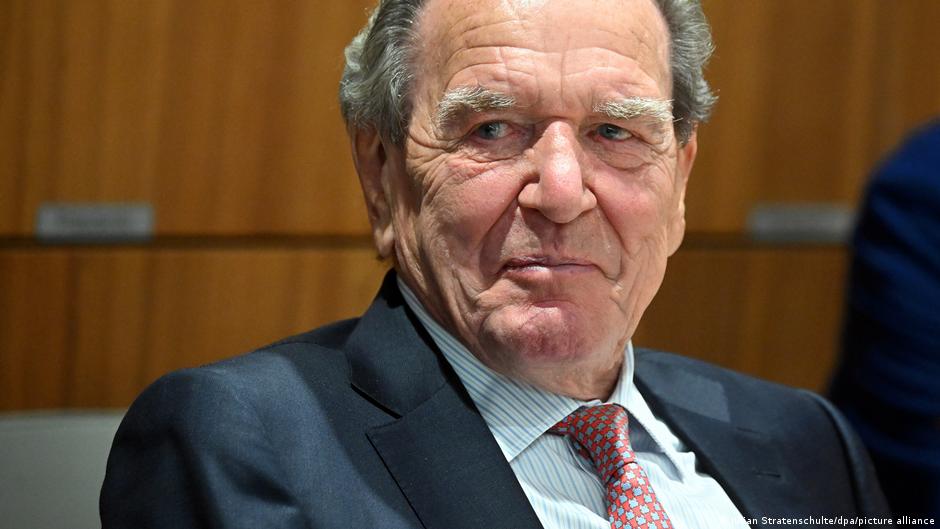
Gerhard Schröder’s new Hyperglobus role has reignited German debate over Russia exposure, political access and corporate risk.

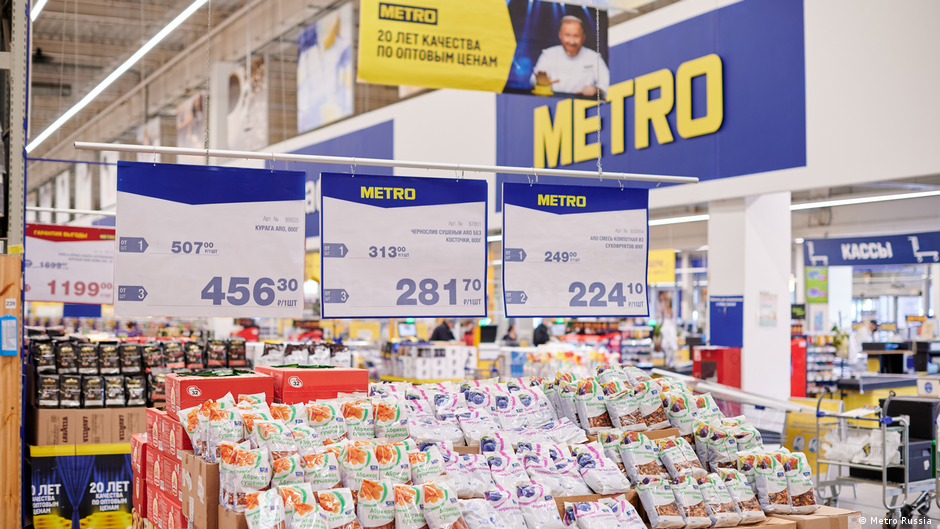
Foreign retailers in Russia face temporary administration, loss of control and political risk as assets linked to Auchan, Leroy Merlin, Metro and Globus come under pressure.

Western governments are preparing contingency plans to move embassies from Kyiv as Russian strikes intensify against Ukraine’s cities and energy system.

Maria Kolesnikova urges the EU to use diplomacy and sanctions relief to free Belarusian political prisoners and reduce Russia’s influence.

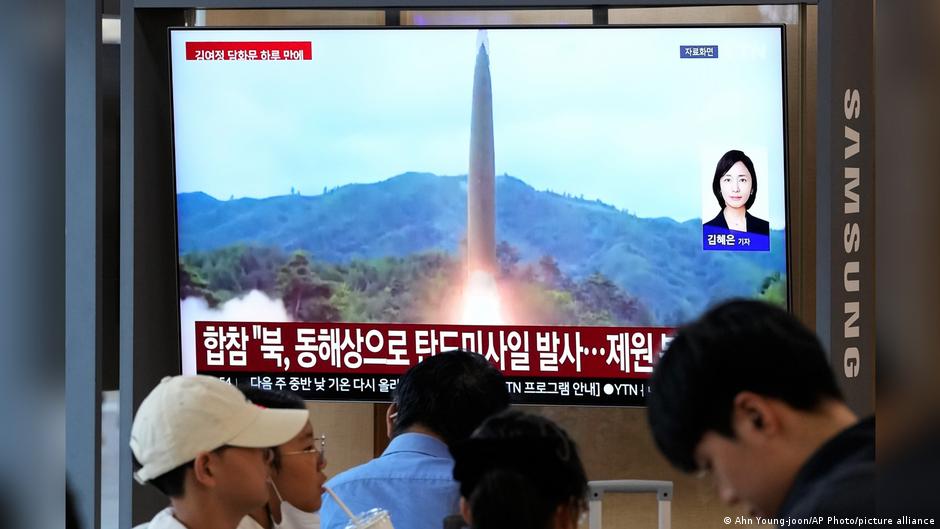
North Korea’s reported missile launch adds economic risk to renewed peninsula tensions after Seoul accused Pyongyang of an armistice violation.

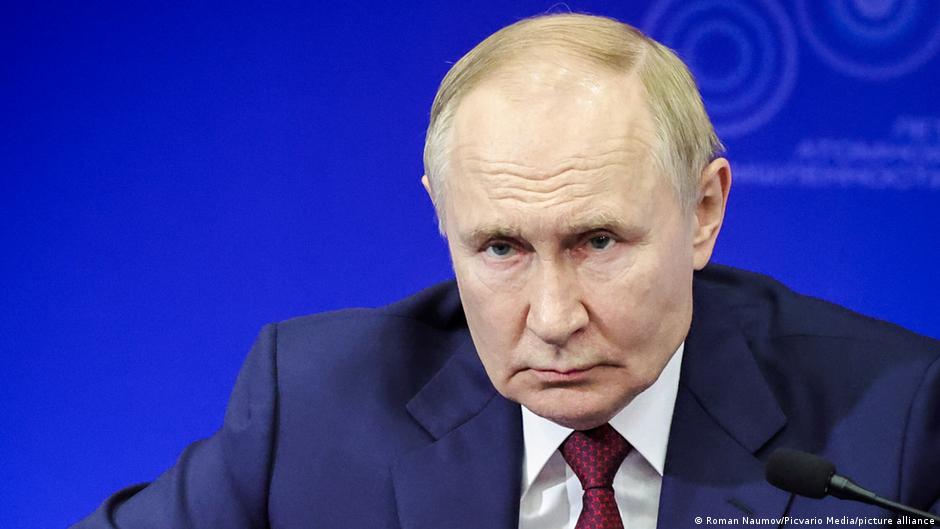
Putin’s Valdai speech sharpened nuclear rhetoric and war claims, adding to Europe’s long-term economic and security risk premium.

The EU declined to accelerate part of a €90 billion Ukraine loan, arguing that early disbursement would shift the war-financing gap into 2027.

Seoul’s warning to Kyiv over disclosed North Korean prisoners raises questions about trust, defense cooperation and postwar economic ties.

Russian attacks damaged sites in Kyiv, Odesa, Sumy and Kyiv region, while Ukrenergo announced power curbs after strikes on energy facilities.

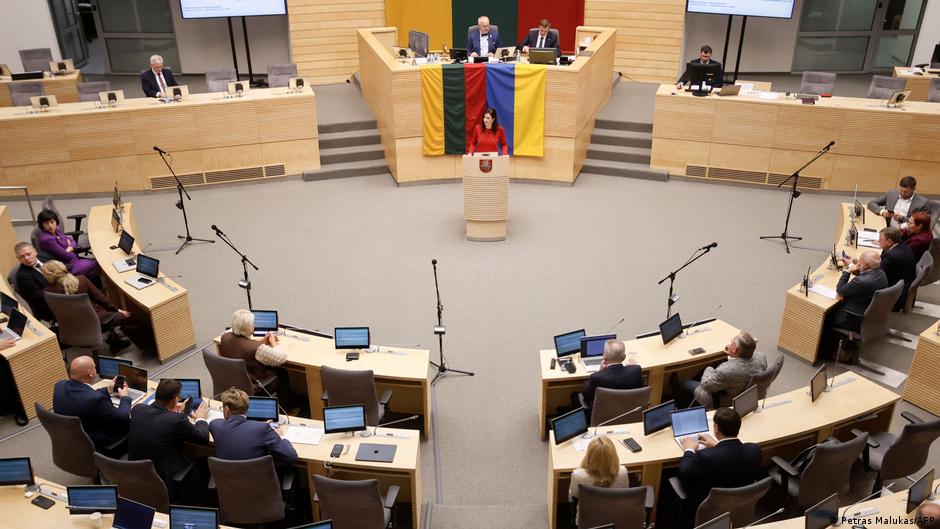
Lithuania’s proposed property restrictions would bar Russian and Belarusian citizens from buying real estate near strategic sites.

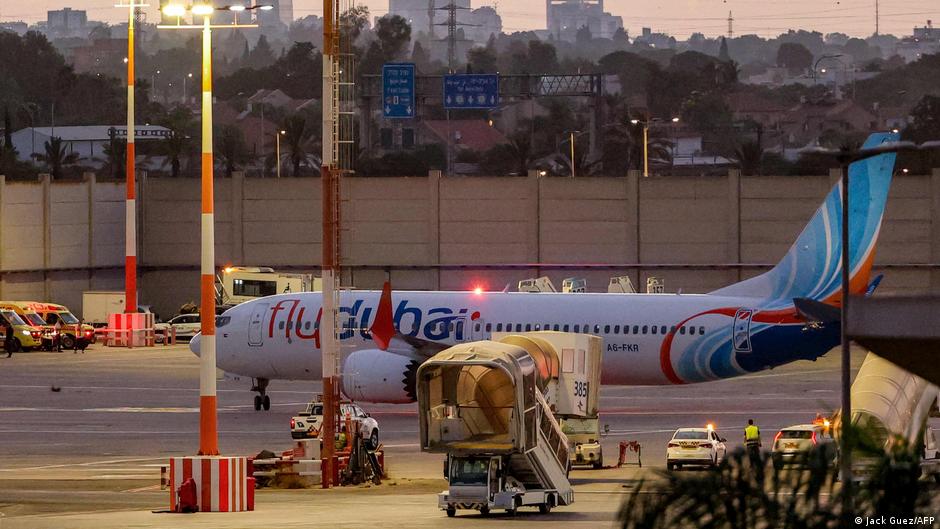
Flydubai’s Israel flight suspension turns a cockpit security incident into a test of Gulf-Israel aviation, diplomacy and economic connectivity.

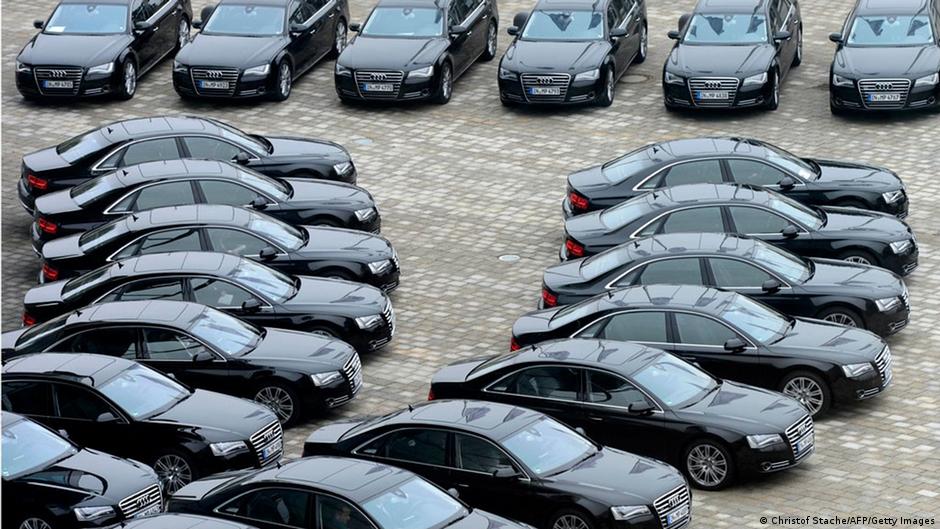
German and Austrian authorities searched two businessmen suspected of sending cars and trucks to Russia through third countries despite EU sanctions.

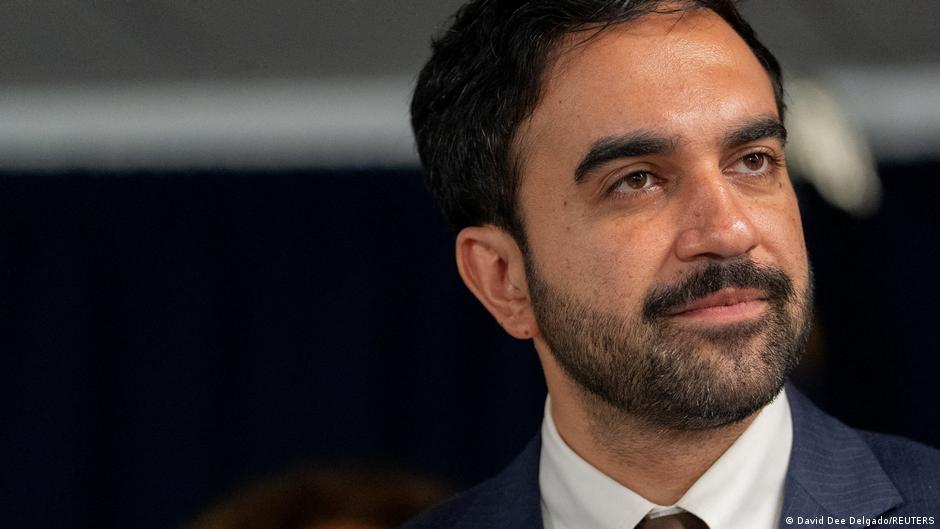
New York Mayor Zohran Mamdani raised hate-crime funding to $29 million in a broad plan targeting antisemitism and Jewish institutional security.

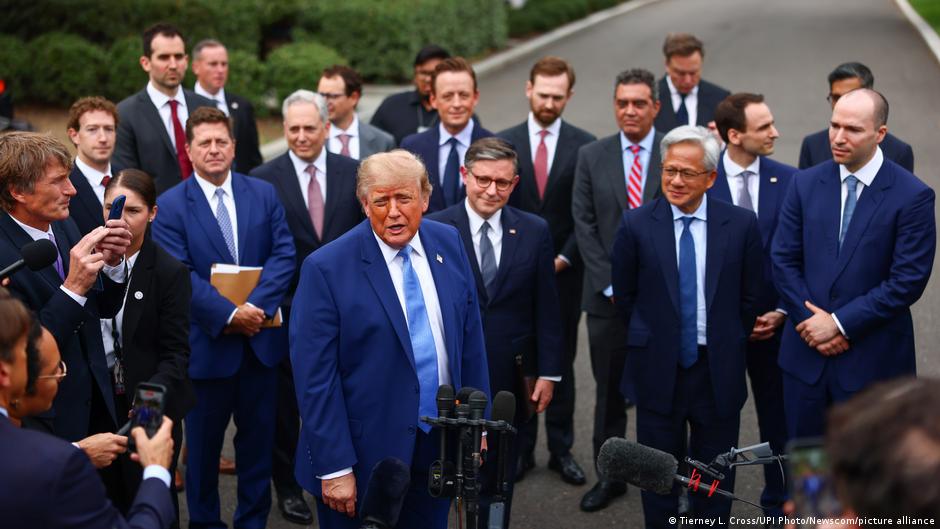
Trump’s AI pact relies on voluntary company oversight, raising questions about safety, competition and America’s race with China.

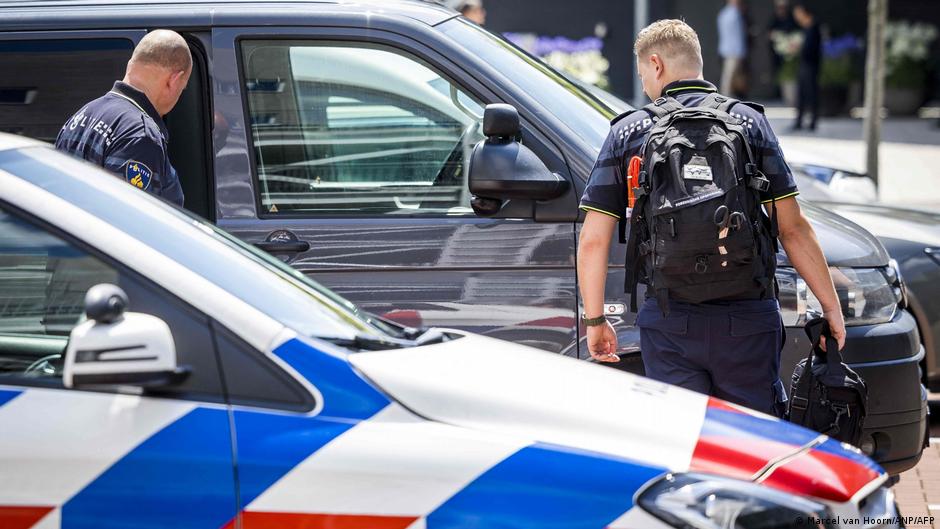
Dutch police detained a 24-year-old Amsterdam cybersecurity worker in a ShinyHunters probe tied to claimed FBI data theft.