Trump Sees Value in Putin's Attendance at 2026 G20 Summit Amid Geopolitical Tensions
US President Donald Trump considers Russian President Vladimir Putin's participation in the Miami G20 summit beneficial, despite uncertainty over an official invitation.
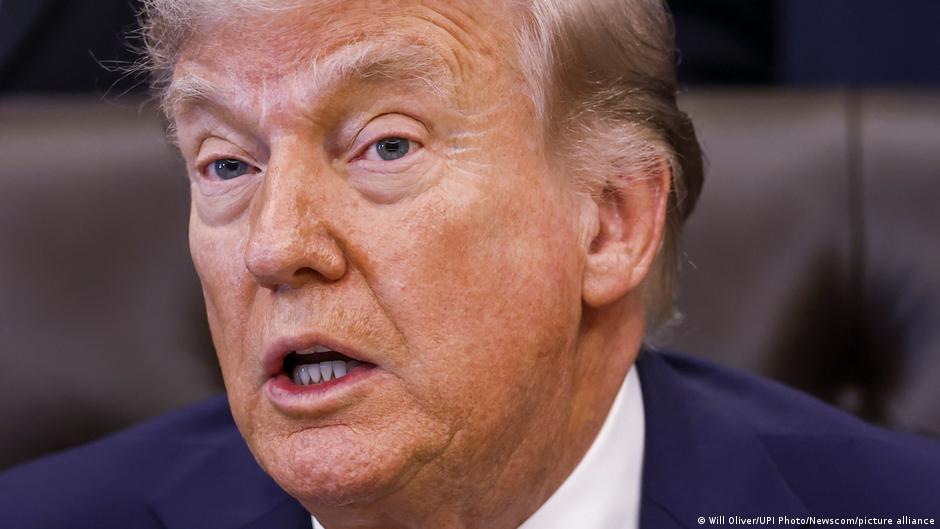
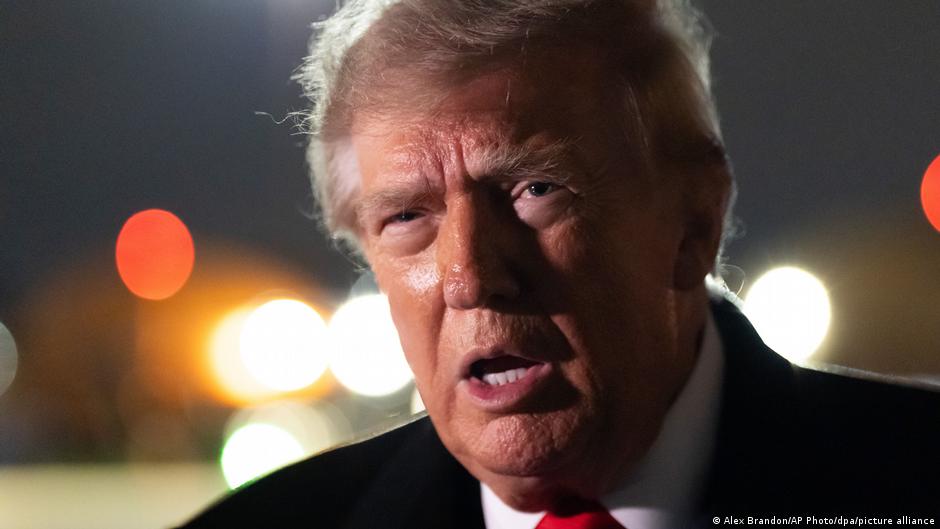
US President Donald Trump has expressed that the attendance of Russian President Vladimir Putin at the upcoming G20 summit in Miami in December 2026 would be "useful," though he remains uncertain about whether Russia has been formally invited. This marks a notable stance in the complex geopolitical landscape following Russia's invasion of Ukraine in 2022 and subsequent international sanctions and isolation.
Context and Implications of Potential Russian Participation
Trump's comments on April 23 signal a desire to engage Russia despite ongoing tensions. Previously, reports revealed that Trump intended to invite Putin to the summit, intending to soften Russia's diplomatic isolation caused by its military aggression in Ukraine. This approach contrasts with the broader international community's efforts to penalize Russia economically and politically.
According to the Russian side, no definitive decision has been made regarding Putin's attendance. Kremlin spokesperson Dmitry Peskov noted the uncertainty, and Deputy Foreign Minister Alexander Pankin indicated that Moscow has received an invitation "at the highest level" but will decide closer to the event date, reflecting the fluidity of international relations amid ongoing conflicts.
"We will see closer to the date. God knows what will happen before then," summarized Pankin's cautious outlook.
Trump's broader diplomatic strategy also includes inviting leaders from Central Asia, such as Uzbekistan and Kazakhstan, signaling an attempt to recalibrate US relations with key Eurasian states.
Economic and Structural Consequences of Russia's Potential Reintegration
The possibility of Putin attending the G20 summit has significant structural economic implications. The G20 represents the world's largest economies, shaping global economic policies and cooperation. Russia's participation or exclusion affects global markets, investment flows, energy policies, and geopolitical alliances.
Russia's exclusion from such forums post-2022 invasion has contributed to its economic isolation, exacerbating trade disruptions and limiting access to international finance. A reintegration or at least engagement at the G20 level could signal a shift in global economic governance dynamics, impacting sanction regimes and potentially encouraging a recalibration of global economic partnerships.
Historically, international economic forums have served as platforms for conflict de-escalation and rebuilding relations. The inclusion of contentious actors like Russia can be seen as pragmatic steps toward stabilizing global markets and political environments. However, such moves carry risks of undermining unified responses to breaches of international norms.
Ultimately, the debate over Putin's attendance underscores broader questions about the role of economic diplomacy in managing geopolitical crises and the balance between sanction enforcement and engagement.