US Ends Temporary Sanctions Exemptions on Russian and Iranian Oil Amid Geopolitical Shifts
Washington will not extend exemptions allowing purchases of Russian and Iranian oil products already at sea, signaling a tightening of energy sanctions.
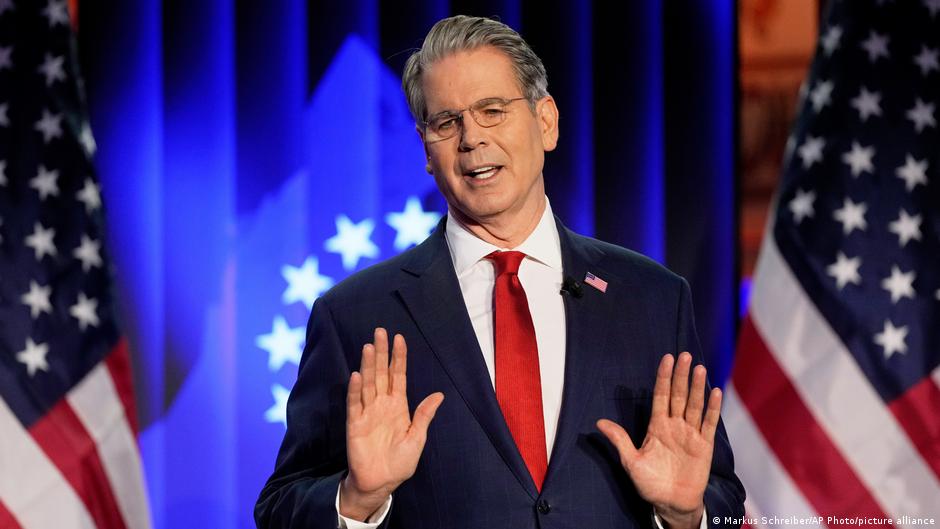
The United States Treasury Secretary Scott Bessent announced that Washington will not renew the temporary sanctions exemptions permitting certain countries to purchase Russian and Iranian oil products already en route by sea. This decision marks a significant shift in US policy aimed at intensifying economic pressure on Moscow and Tehran amid ongoing geopolitical tensions.
Background and Rationale for the Exemptions
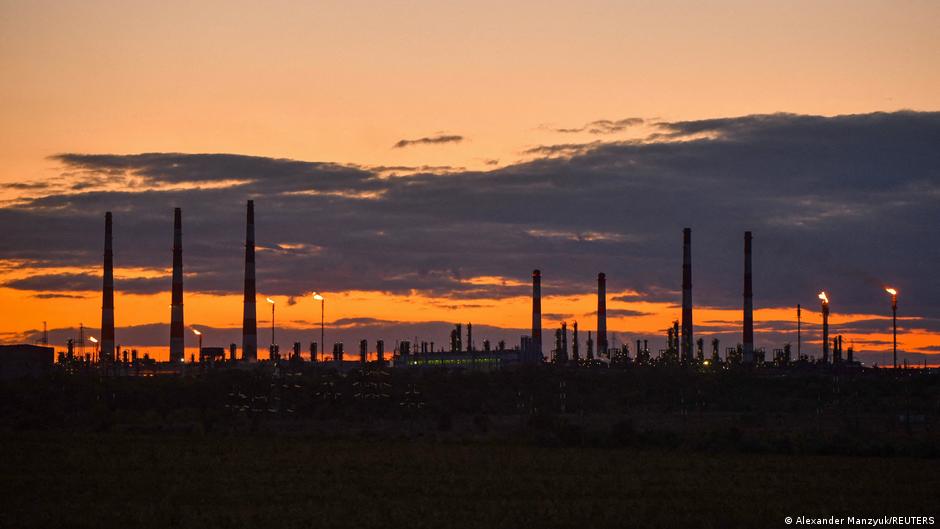
Earlier this year, the US issued limited exemptions from sanctions to allow vulnerable and low-income countries to continue importing Russian and Iranian oil products already loaded on tankers. These exceptions were introduced in response to appeals from more than ten of the world's poorest nations during meetings of the World Bank Group and International Monetary Fund in mid-April. The exemptions were designed as narrowly targeted, short-term relief measures to mitigate immediate supply disruptions and energy price volatility.
Secretary Bessent emphasized the temporary and exceptional nature of these exemptions. "This was done for these vulnerable and poor countries. But I cannot imagine that we will have another extension. I think the supply of Russian oil at sea has largely been exhausted," he explained. This signals a clear intention by the US to end any leniency and maintain maximum pressure on Russia’s energy revenues.
Implications for Global Energy Markets and Sanctions Strategy
The decision not to renew these exemptions coincides with the expiration of the previous license on May 16, which allowed the sale of Russian oil products already loaded on vessels. The initial exemptions were granted in March amid surging energy prices driven by the war in Ukraine and the blockade of the Strait of Hormuz. At the time, the Treasury described these measures as "narrowly focused and short-term," aiming to avoid significant increases in Moscow’s oil revenues.
However, reports from The New York Times indicated that even this limited relaxation enabled Russia to secure an additional $100 million daily from oil sales, underscoring the complex balancing act between sanction enforcement and global energy stability.
Furthermore, Treasury Secretary Bessent expressed expectations that Iran would soon be forced to reduce its oil production due to US and international pressure. "We think in the next two to three days they will have to start cutting production, which will be very detrimental for their wells," he noted. This points to an intensification of efforts to curtail Iranian oil exports, further tightening the economic noose amid ongoing negotiations and diplomatic tensions.
Economic and Geopolitical Consequences
"The temporary exemptions were designed to assist vulnerable countries but ended up providing significant revenue to sanctioned states," said Bessent, highlighting the unintended consequences of previous policies.
The termination of these exemptions signals a shift toward a more stringent and uncompromising sanctions regime. For vulnerable economies that had relied on these exemptions, the end of the grace period may exacerbate energy access challenges and inflationary pressures. This could have broader ripple effects on global economic stability, particularly in developing countries facing multiple crises.
From a structural perspective, the move underscores the increasingly complex interplay between sanctions enforcement, energy market dynamics, and geopolitical strategy. It reflects Washington’s prioritization of maximizing economic pressure on Russia and Iran over concerns about short-term global market disruptions.
The decision has drawn criticism from Ukrainian leadership, including President Volodymyr Zelensky and the Ukrainian ambassador to the US, Olga Stefanishina, who opposed the earlier exemptions on the grounds that they diluted the effectiveness of sanctions and indirectly financed Russia’s war efforts.
Historical Parallels and Future Outlook
Historically, sanctions on energy exports have proven to be a double-edged sword. While they can significantly degrade targeted economies’ revenue streams, they also risk destabilizing global markets and harming allied or neutral states dependent on energy imports. The US approach to Russian and Iranian oil sanctions echoes past sanctions regimes where temporary carve-outs were used to calibrate pressure without triggering broader economic fallout.
Going forward, the end of exemptions will likely compel vulnerable countries to seek alternative energy suppliers or accelerate shifts toward diversified energy sources. Meanwhile, Russia and Iran may intensify efforts to circumvent sanctions through clandestine sales and alternative routes, potentially reshaping patterns of global energy trade.
In sum, the US decision to end these exemptions crystallizes a more confrontational phase in sanctions policy, emphasizing economic containment as a tool of geopolitical strategy with profound economic ramifications worldwide.