Uzbek Banks Introduce Minimum Balance Rule to Protect Customers from Full Debit Withdrawals
From April 15, banks in Uzbekistan must retain a minimum balance on cards during automatic debt repayments, preventing full account depletion.
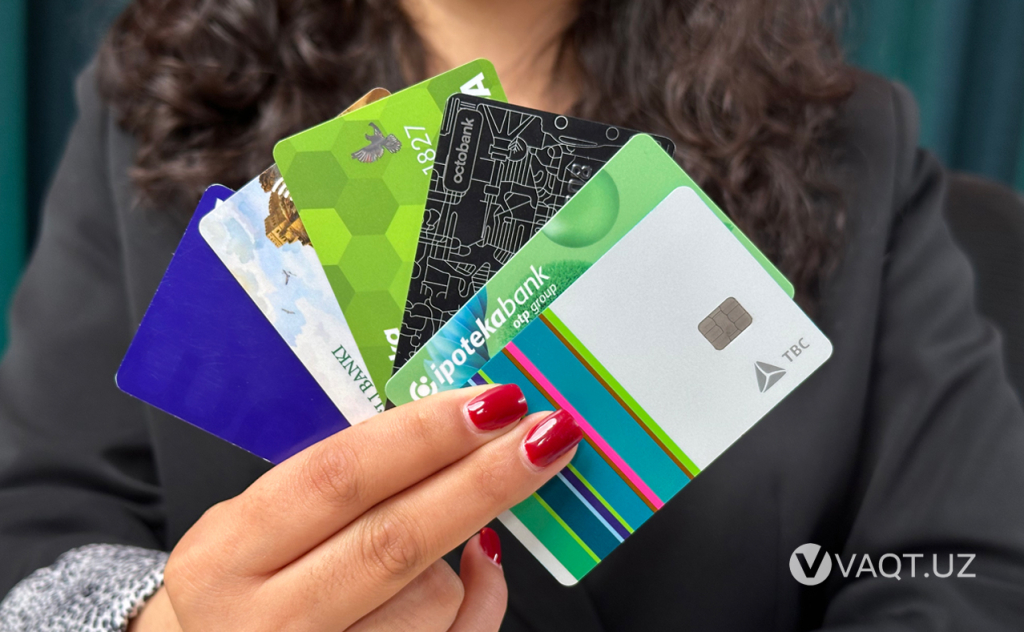
In a significant regulatory change effective April 15, 2025, Uzbekistani banks will no longer be able to withdraw the entirety of funds from clients’ bank cards through automatic debit mechanisms if the balance falls below a prescribed minimum. This reform, introduced by the Uzcard payment system, aims to safeguard consumers’ financial liquidity by ensuring a residual balance remains in card accounts even when repayments on loans, microcredits, or installment payments are being collected.
Context and Mechanism of the New Regulation
Under the new rules, when banks execute "akseptsiz" (non-approved) withdrawals—which are automatic deductions processed without client authorization for each transaction—there must remain at least three times the base calculation amount on the card account. Currently, this minimum balance threshold equates to approximately 1,236,000 Uzbek soms. Therefore, if the card balance is below this amount, the bank cannot withdraw funds to cover outstanding debts.
"Akseptsiz yechib olish" functions as an automated system that enables financial institutions to debit funds from client accounts to fulfill credit obligations without requiring individual transaction approval. While this method expedites the debt collection process and mitigates default risks for lenders, it has historically carried the risk of fully depleting client accounts, potentially leaving consumers without any accessible funds.
"Banks will henceforth only be authorized to withdraw amounts exceeding the set minimum balance during automatic deductions, protecting clients from complete account exhaustion even when debts are outstanding."
Importantly, the new minimum balance limitation applies exclusively to automatic deduction operations. If a client personally authorizes a payment—such as through one-time codes or explicit transaction approval—the bank may withdraw the full sum, including amounts that reduce the balance below the threshold.
Implementing this change signals a move towards more consumer-friendly credit management frameworks in Uzbekistan’s banking sector. The payment system’s technological infrastructure has already integrated the updated rules, and several banks have begun notifying customers of these adjustments.
Economic Implications and Historical Parallels
From an economic perspective, this regulatory shift reflects a broader global trend emphasizing consumer protection in financial markets. Historically, unrestricted automatic overdrafts or collection mechanisms have led to consumer hardship by freezing necessary liquidity and triggering cascading financial distress. By mandating a minimum residual balance, Uzbek regulators are attempting to strike a balance between ensuring creditor rights and maintaining consumer financial stability.
This development can be viewed within the context of Uzbekistan’s evolving credit infrastructure as the country integrates modern banking standards while addressing socio-economic realities. For many consumers, cards serve as essential instruments for daily transactions and emergency liquidity. Preventing full depletion helps mitigate risks of sudden liquidity shocks, which can exacerbate household financial vulnerability and reduce consumption.
Moreover, introducing such protections may indirectly support credit market health by fostering greater trust and engagement among borrowers. Customers who feel safeguarded against draconian collection tactics may be more inclined to maintain credit relationships and uphold repayment schedules, ultimately improving loan performance rates.
However, this rule also imposes new operational boundaries on banks’ risk management practices. Creditors must now calibrate collection strategies to respect the minimum balance requirement, possibly prolonging recovery timelines or necessitating enhanced borrower communication. This trade-off highlights the ongoing tension in financial regulation between creditor interests and consumer protection.
In sum, Uzbekistan’s new minimum balance regulation for automatic card withdrawals is a noteworthy policy measure blending technological modernization with consumer rights advocacy. Its long-term effects on credit markets and household financial health merit close observation as the country’s banking system continues to mature.