Drone Attacks Ignite Fire at Poltava Oil Depot Near Krasnodar Amid Strikes on Crimea
Drone strikes caused a major fire at the Poltava oil storage facility and targeted energy infrastructure across annexed Crimea, signaling escalating conflict impacts on regional energy supply.
In the early hours of June 25, a significant fire broke out at the Poltava oil depot located in Krasnoarmeysky District of the Krasnodar Krai, Russia. Local officials attribute the blaze to debris from a downed unmanned aerial vehicle (UAV), commonly referred to as a drone. The incident highlights the growing use of drone technology in regional conflicts and raises concerns about the vulnerability of critical energy infrastructure in Russia’s southern regions.
Strategic Implications of the Poltava Incident
According to Alexander Kharitonov, the head of the district, the fire was sparked when fragments of a shot-down drone fell onto the oil depot. The facility, which plays a pivotal role in supplying fuel to parts of Krasnodar Krai and the Republic of Adygea, houses approximately 28 storage tanks. Reports indicate that three of these tanks caught fire during the attack, resulting in temporary road closures between the village of Poltavskaya and the settlement of Trudobelikovsky.
“The Poltava oil depot is a regional fuel infrastructure asset, critical for energy supplies in southern Russia,” local Telegram channel Astra noted.
This incident is not isolated. Simultaneously, multiple drone strikes targeted annexed Crimea, focusing on energy infrastructure including the Balaklava and Tauric thermal power stations. Eyewitness accounts on social media describe powerful explosions near the Kacha airfield and brief power outages across several cities such as Simferopol, Yalta, and areas near Yevpatoria.
In the Crimean capital, several explosions were reported, causing electrical blackouts and signaling a coordinated assault on the peninsula’s energy grid. The Ukrainian Telegram channel Exilenova+ reported that Sevastopol was also subjected to a concentrated drone attack, compounding the regional tension.
Contextualizing the Attacks Within the Wider Conflict
These attacks come amid heightened geopolitical tensions and ongoing military operations in the region. Ukrainian President Volodymyr Zelensky, in a June 24 address, alluded to a well-planned operation targeting Crimea, asserting that with support from G7 nations, Ukraine could compel Russia to negotiate peace. Although Zelensky did not specify the nature of the assistance sought, the statement underscores the strategic importance of the region’s energy and transport nodes in the broader conflict.
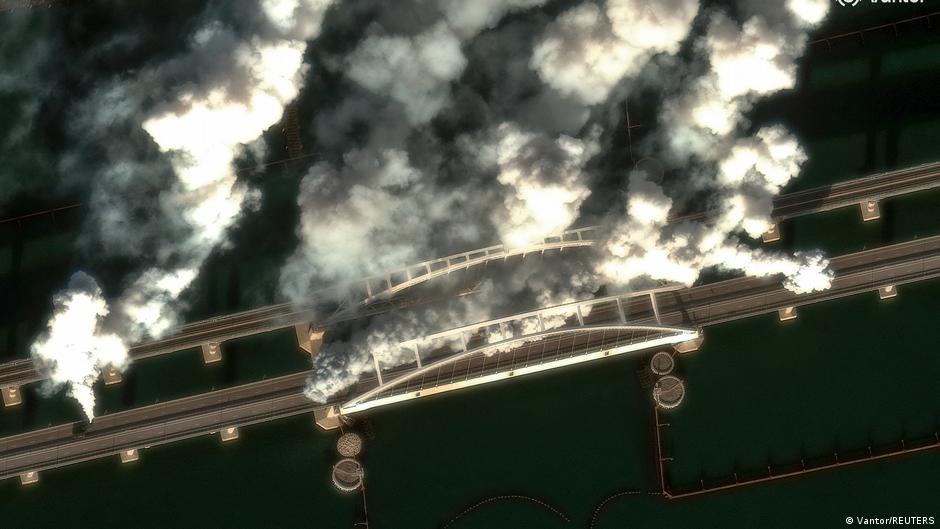
Additionally, Zelensky highlighted a shift in Russian air defense deployments, with forces being repositioned towards Moscow and near the Crimean Bridge. This redistribution reportedly leaves other regions less protected, potentially creating openings for further tactical operations.
The Poltava oil depot fire and the simultaneous strikes on Crimean power facilities underscore the growing use of drone technology as a disruptive tool in modern warfare. The targeting of energy infrastructure not only impacts military capabilities but also threatens civilian energy supplies, with potential cascading effects on local economies and social stability.
As the conflict evolves, these incidents exemplify the structural vulnerabilities of critical infrastructure in contested zones, raising questions about the long-term economic consequences and the resilience of regional energy systems under sustained attack.