Drone Strike Hits Russian Refinery Handling 7% of National Throughput
The latest attack on the Kirishi refinery highlights the economic vulnerability created by concentration in Russia’s fuel-processing system.
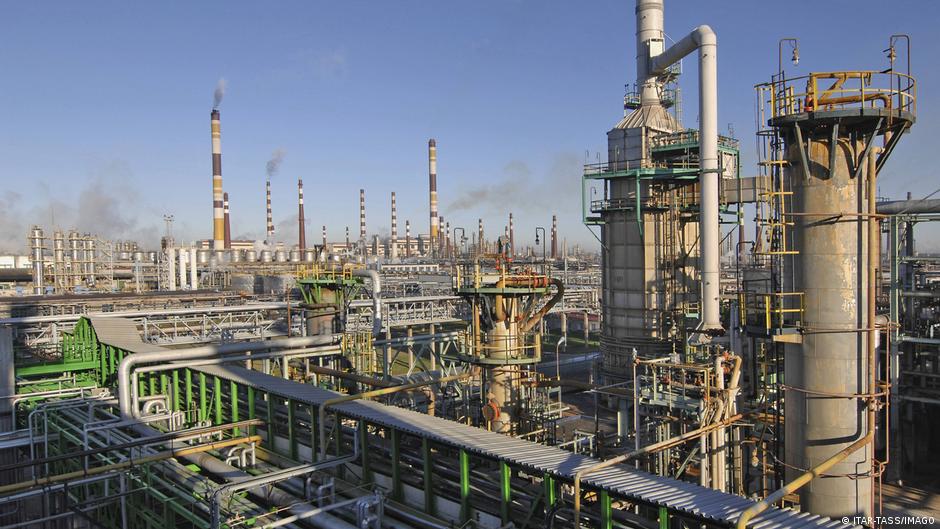
Ukrainian drones attacked the Kirishi oil refinery in Russia’s Leningrad region overnight on Monday, November 9, according to the Russian publication Astra and Ukrainian monitoring channels on Telegram, which cited eyewitness accounts. The facility, known as KINEF, belongs to the Surgutneftegas group and accounts for about 7% of Russia’s total oil-refining volume.
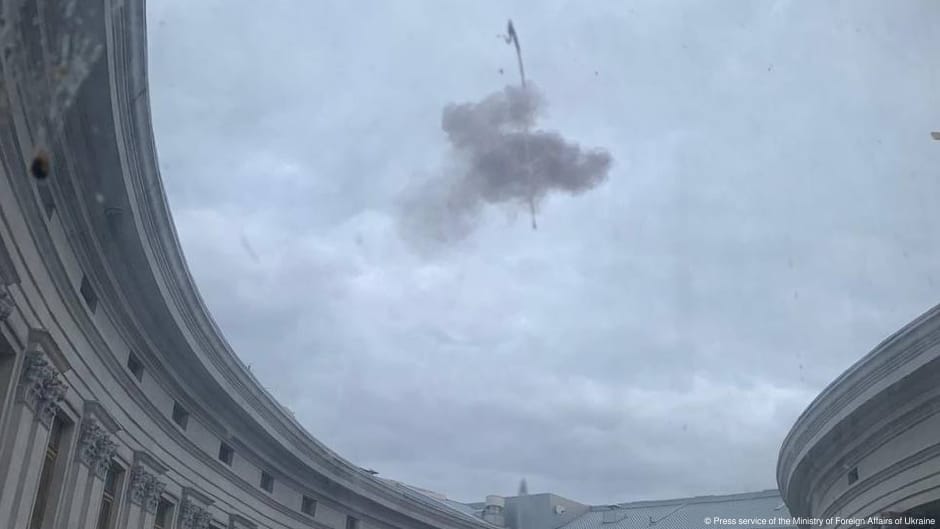
Alexander Drozdenko, governor of the Leningrad region, confirmed that a drone had struck the industrial zone of Kirishi, although he did not identify the enterprise involved. He claimed that Russian air defenses had downed 113 drones over the region during the night. Videos posted on social media showed a fire on the refinery’s territory.
“A drone hit the industrial zone of the city of Kirishi,” Drozdenko said, without naming the refinery.
Astra reported that Kirishi residents heard air-defense activity and powerful explosions near KINEF. Residents also reported the evacuation of an apartment building. Ukraine had not officially commented on the strike.
A strategic link in the northwestern fuel economy
The refinery is located in Kirishi, approximately 100 kilometers southeast of St. Petersburg. It is one of Russia’s largest oil-processing plants and occupies an important position in fuel supplies to the country’s northwest. Among its customers is St. Petersburg’s Pulkovo Airport, which receives aviation kerosene from KINEF.
The plant’s design capacity is estimated at 20 million to 21 million metric tons of crude oil a year. In recent years, it has processed about 18 million tons annually, equivalent to roughly 7% of total Russian refining. Those figures make the economic importance of the facility greater than its regional location might suggest: disruption at Kirishi can affect not only the refinery’s owner but also fuel distribution across a major consumption and transport area.
Large refineries historically generate economies of scale by concentrating processing equipment, logistics and product streams in a single industrial complex. The same concentration, however, creates exposure when key units are damaged. Crude production does not automatically translate into usable gasoline, diesel or aviation fuel; it must pass through specialized refining installations. A temporary loss of processing capacity can therefore create bottlenecks even when upstream oil supplies remain available.
This distinction is central to the economic consequences of repeated attacks on Russian refineries. The immediate impact depends on which installations are affected, how long repairs take and whether production can be shifted elsewhere. The broader structural risk lies in the repeated interruption of facilities that connect crude supply with domestic transport, aviation and regional fuel markets.
Repeated attacks compound operational risk
KINEF has been targeted by Ukrainian drones several times in recent years. Following a strike in late August 2026, the enterprise completely halted crude-oil processing because two primary refining units had been damaged. The latest reported attack therefore comes after a previous incident demonstrated that damage to a limited number of critical installations could stop the plant’s core operations.
That history matters economically because recurrent strikes can impose costs beyond the physical repair of equipment. Each interruption may require inspections, safety procedures, logistical adjustments and changes to refinery schedules. Repetition also raises the value of redundancy, dispersed storage and alternative supply routes—measures that improve resilience but can increase the cost of maintaining the refining system.
The concentration of about 7% of national throughput at one plant illustrates the trade-off between efficiency and resilience. Large integrated refineries can process substantial volumes at comparatively high operational efficiency, but their scale means that an outage cannot necessarily be replaced quickly. Other plants may have limited spare capacity, while transporting refined products over longer distances can add logistical pressure.
Sanctions add another layer of constraint
In 2025, Surgutneftegas was placed under sanctions by the United States, the United Kingdom and the European Union. KINEF was also named in the relevant sanctions documents. The refinery is therefore operating within two overlapping forms of pressure: restrictions directed at the corporate group and physical security risks associated with repeated drone attacks.
The source material does not establish the scale of damage from the November 9 strike or indicate whether refining operations were interrupted. Without an official assessment, the immediate production effect remains unclear. Nevertheless, the fire shown in social-media footage and the refinery’s previous shutdown underline why attacks on processing infrastructure carry consequences that may extend beyond the site itself.
For Russia’s economy, the central issue is not merely the loss of a given quantity of crude-processing capacity on a particular night. It is the cumulative challenge of protecting a geographically dispersed but operationally concentrated refining network while sustaining reliable supplies to regions, airports and other transport users. At Kirishi, that challenge is especially visible because the refinery combines national scale with a critical role in northwestern fuel distribution.